How the counts of chastanet shaped saint lucia’s luxury identity
The phrase “the counts of chastanet” evokes layered stories about Saint Lucia and the wider Caribbean. It captures how the Chastanet name became intertwined with some of the island’s most emblematic luxury properties and with the evolution of Saint Lucia tourism more broadly. For travellers comparing Caribbean destinations, understanding this lineage helps explain why certain Saint Lucia resorts feel deeply rooted in the island’s culture and economy rather than imported from abroad.
On this volcanic island in the eastern Caribbean, the Chastanet family played a visible role in helping Saint Lucia move from a largely agricultural base toward a higher value tourism economy. Their leadership in hospitality coincided with a broader shift in the island’s economic structure, as the government encouraged investment that tried to balance tourism growth with eco-conscious development. When you book a premium hotel in Saint Lucia today, you are stepping into a story that links private entrepreneurship, public policy choices, and the global travel economy.
The counts of chastanet as a concept also reflects how people perceive status, heritage, and luxury on the island and beyond. Many visitors read articles about Caribbean history and the Saint Lucian economy before choosing where to stay, and the Chastanet narrative frequently appears in that research. This blend of family legacy, island identity, and long term tourism strategy is now part of Saint Lucia’s brand in the global marketplace, shaping how the island is described in travel guides, ECCB commentary, and social media posts.
From volcanic bay to luxury benchmark at anse chastanet
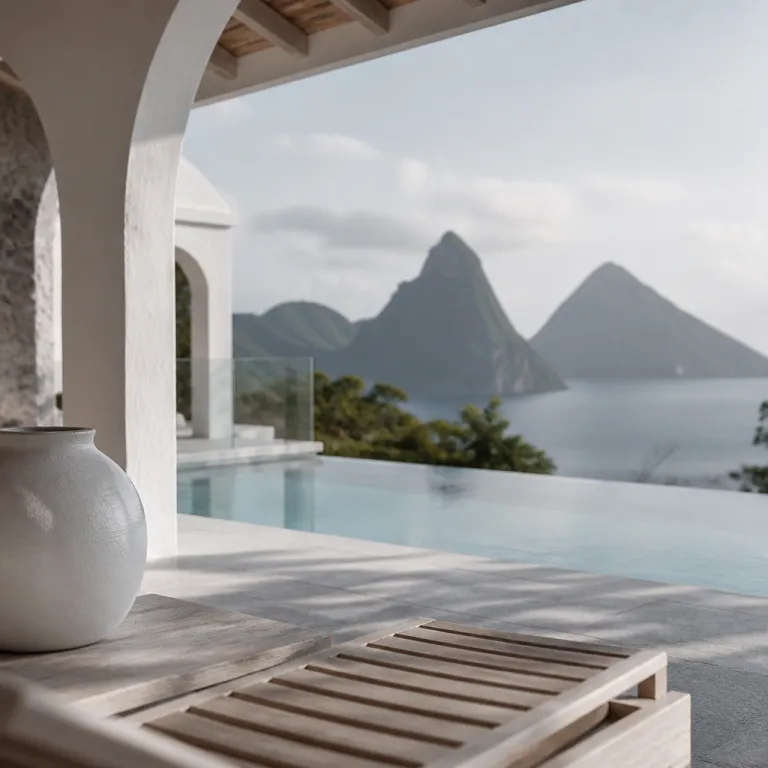
Any serious look at the counts of chastanet must pass through Anse Chastanet in Soufrière Quarter. This property, set between rainforest slopes and a black sand bay, became a reference point for Caribbean eco luxury long before the term was fashionable. When travellers compare premium hotels in Saint Lucia, they often measure them against the atmosphere, views, and sense of place associated with this bay and its surrounding coastline.
Where is Anse Chastanet located? In Soufrière Quarter, Saint Lucia. That simple factual statement anchors a much larger story about how one stretch of coastline helped redefine the island’s tourism future. The surrounding Piton Management Area, a UNESCO World Heritage Site since 2004, encouraged hoteliers and government planners to think carefully about eco standards, carrying capacity, and the long term cost of overdevelopment in a fragile Caribbean landscape.
Earthquake activity has been recorded in the wider Soufrière region over many years, reminding visitors that this serene bay sits on a living volcanic system. Responsible luxury operators here factor geological risk into building codes, insurance, and guest safety protocols. When you browse hotel booking websites that feature this area of Saint Lucia, look for transparent information about environmental monitoring, structural resilience, and risk management; it signals serious leadership rather than superficial marketing language.
Entrepreneur insights behind saint lucia’s premium hotel boom
To understand the counts of chastanet in a modern context, think like an entrepreneur evaluating Saint Lucia’s tourism landscape. The island’s shift from agriculture to services required calculated risk taking, especially in the luxury segment where construction costs, imported materials, and the cost of living for staff are high. Investors had to believe that global demand for Caribbean escapes would justify premium nightly rates year round and support a sustainable local economy.
Former prime minister Allen Chastanet, often referenced as Allen Chastanet in political and business articles, illustrates how hospitality experience can inform national economic policy. His background in tourism gave him a granular view of how hotel performance affects the wider economy, from airport traffic and cruise arrivals to small supplier contracts. When a government leader understands occupancy rates, seasonality, guest expectations, and ECCB data on tourism receipts, tourism strategy tends to align more closely with real market conditions.
For travellers, this entrepreneurial history matters because it shapes what appears on a booking website today. The counts of chastanet story is not only about one family name; it is about a generation of Saint Lucian people who saw tourism as a path to a more resilient island economy. When you choose a luxury hotel in Saint Lucia, you are indirectly supporting that long running economic experiment and its future evolution, from infrastructure upgrades to training programs for young people entering the hospitality sector.
Balancing eco values, medical expertise, and luxury expectations
Modern interpretations of the counts of chastanet also intersect with health, science, and eco responsibility. In Europe, specialists such as phlebologist Sylvain Chastanet at the Riviera Vein Institute in Monaco and researcher Arnaud Chastanet in bacterial genetics represent another branch of the Chastanet name focused on medical innovation. Their published work on venous reflux patterns, Duplex ultrasound methods, and the ASVAL technique for varicose veins shows how evidence based thinking can influence wellness concepts in high end resorts, even if not directly linked to specific Saint Lucia properties.
Resorts inspired by the counts of chastanet ethos increasingly integrate minimally invasive wellness ideas, advanced spa protocols, and medically informed fitness programs into their services. Studies on venous reflux and truncal vein treatment, originally designed to enhance patient outcomes, now inform how some Caribbean wellness retreats design circulation friendly activities, hydrotherapy circuits, and recovery focused spa menus. When a hotel’s wellness brochure references Duplex ultrasound screening or collaborations with European specialists in general terms, it signals a serious commitment to guest health rather than superficial pampering.
Genetic analysis research by experts like Arnaud Chastanet, who investigated bacterial recombination inhibition, also contributes to global thinking about hygiene standards in hospitality. Luxury hotels in Saint Lucia that follow these scientific developments can refine cleaning protocols, spa water treatment, and food safety systems in line with international best practice. For discerning guests, the counts of chastanet narrative therefore spans from eco conscious architecture on the island to medically informed wellness experiences that respect both privacy policy requirements and personal health data.
Digital presence, social media, and privacy around the counts of chastanet
When travellers research the counts of chastanet online, they often encounter a mix of tourism content, political commentary, and social media profiles. Many people first meet the Chastanet name through platforms such as Facebook, where public figures like Allen Chastanet share updates about Saint Lucia’s economy and tourism sector. Visitors who follow Facebook pages related to Saint Lucia hotels gain real time insight into seasonal offers, cultural events, and community projects that shape daily life on the island.
Hotel booking websites that reference the counts of chastanet must navigate privacy policy obligations carefully. Every time a guest compares Caribbean properties, checks the cost of living on the island, or signs up to follow Facebook updates, personal data are generated and stored. Reputable platforms explain how they handle cookies, payment details, and marketing permissions in a clear privacy policy that aligns with global standards and reflects the expectations of privacy conscious travellers.
For luxury travellers, this digital transparency is now part of the premium experience. A Saint Lucia hotel that communicates openly about data protection, social media engagement, and email marketing practices builds trust before you even arrive on the island. When evaluating sites that feature the counts of chastanet story, look for balanced content that covers tourism highlights, economic context, and privacy safeguards in equal measure so you can make informed decisions about where to stay.
Culture, cuisine, and the economic ripple effect of luxury stays
The cultural dimension of the counts of chastanet is most visible in how luxury hotels interpret Saint Lucian identity. High end properties increasingly highlight Kwéyòl language, local music, and Creole cuisine as core parts of the guest journey rather than optional entertainment. This approach turns every stay into a direct contribution to the island’s creative economy and helps visitors understand how people in Saint Lucia express their heritage.
To appreciate this fully, explore how Saint Lucia’s Creole language shapes its food and hospitality through in depth guides such as the kweyol kitchen article on how language influences service rituals and menu design. When a resort trains its team to explain dishes in both English and Kwéyòl, it honours local people while enhancing the guest experience. The counts of chastanet narrative, in this sense, becomes a bridge between global luxury expectations and the intimate rhythms of island life, from fishing villages to fine dining rooms.
Economically, each premium booking sends revenue through a long value chain that includes farmers, fishers, tour guides, and artisans across Saint Lucia. Articles about the island’s economy often highlight tourism as a leading foreign exchange earner, with data from institutions such as the Eastern Caribbean Central Bank, commonly known as the ECCB. For travellers who care about the future of the Caribbean, choosing hotels that source locally, publish impact summaries, and discuss cost of living pressures on staff is a practical way to align personal leisure with regional development goals.
Policy, leadership, and the future of saint lucia’s luxury segment
The strategic side of the counts of chastanet story lies in how leadership decisions shape long term tourism outcomes. In Saint Lucia, debates about infrastructure, tax incentives, and environmental regulation often reference the legacy of Allen Chastanet and other policymakers who linked hospitality growth to national development. Their choices influence everything from airport expansion and road upgrades to how many rooms can be built along sensitive coastlines and in rural communities.
Regional bodies such as the ECCB track how tourism receipts affect the wider Caribbean economy, offering data that both government officials and hotel entrepreneurs use for planning. When reports show strong year on year growth in visitor arrivals and related economic indicators, investors feel more confident about financing new luxury projects or renovating existing properties associated with the counts of chastanet narrative. Conversely, global shocks remind stakeholders that overreliance on tourism can expose the island to external risks and highlight the need for diversification.
For guests, the most tangible expression of this policy landscape appears on booking platforms that curate premium hotels in Saint Lucia. Transparent pricing, clear breakdowns of taxes, and explanations of eco fees help visitors understand how their spending supports public services, conservation, and community projects. As the island looks to the future, the counts of chastanet concept will likely evolve from a family centred story into a broader symbol of how Saint Lucian people balance prosperity, culture, environmental stewardship, and the realities of a small open economy.
Key figures shaping luxury tourism and the counts of chastanet legacy
- Seismic monitoring in the Soufrière Quarter of Saint Lucia underscores the need for robust building standards and risk management in luxury developments along this volcanic coastline, including areas near Anse Chastanet that feature prominently in the counts of chastanet narrative.
- Eastern Caribbean Central Bank (ECCB) publications indicate that tourism contributes a significant share of Saint Lucia’s gross domestic product, making high end hotel performance a critical driver of the island’s economic stability and foreign exchange earnings.
- Wellness and medical tourism reports describe rising global demand for minimally invasive treatments, which aligns with techniques such as ASVAL for varicose veins promoted by specialists including Sylvain Chastanet and supports the integration of evidence based therapies into premium resort spas.
- Occupancy statistics from Caribbean hotel associations consistently rank Saint Lucia among the stronger performers in the region’s upscale segment, reflecting the enduring appeal of destinations linked to the counts of chastanet narrative, including the Soufrière and Piton areas that define the island’s luxury image.
FAQ about the counts of chastanet and luxury stays in saint lucia
How is the counts of chastanet concept connected to Anse Chastanet resort ?
The counts of chastanet idea is closely associated with Anse Chastanet resort in Soufrière Quarter, where the Chastanet family helped pioneer a style of Caribbean luxury that blends open air architecture, strong eco principles, and deep engagement with local culture. This property became a benchmark for premium hotels across Saint Lucia. Many travellers use it as a reference point when comparing other high end stays on the island.
What is the ASVAL technique mentioned in relation to Chastanet medical experts ?
The ASVAL technique is described as a method preserving saphenous veins during varicose treatment. This approach, promoted by phlebologists such as Sylvain Chastanet, aims to improve outcomes by conserving key veins rather than removing them entirely. Its principles influence how some wellness focused resorts design medical partnerships and spa programs that emphasise circulation and long term health.
Where exactly is Anse Chastanet located in saint lucia ?
Anse Chastanet is located in the Soufrière Quarter on the western coast of Saint Lucia, facing the Caribbean Sea and close to the iconic Pitons. The bay sits within a geologically active zone, which explains the focus on careful planning and resilient construction. Its dramatic setting makes it one of the island’s most photographed luxury destinations and a key reference in articles about Saint Lucia tourism.
How does following Allen Chastanet on Facebook help travellers understand the island’s tourism context ?
Public figures such as Allen Chastanet often use Facebook to comment on Saint Lucia’s tourism trends, infrastructure projects, and economic priorities. Travellers who choose to follow Facebook pages linked to these discussions gain a clearer view of how policy decisions affect hotel development, employment, and visitor experiences. This context can be useful when evaluating where to stay and how tourism spending supports the local economy.
Why should luxury travellers care about Saint Lucia’s privacy policy standards on booking sites ?
Luxury travellers typically share significant personal and payment data when booking high end stays, so strong privacy policy standards protect them from misuse of information. Reputable Saint Lucia booking platforms explain how they store, process, and secure guest data, often aligning with international regulations. This transparency is now considered part of the overall premium service, alongside comfort, design, and culinary quality.