Why saint lucia mango season summer food belongs on your luxury itinerary
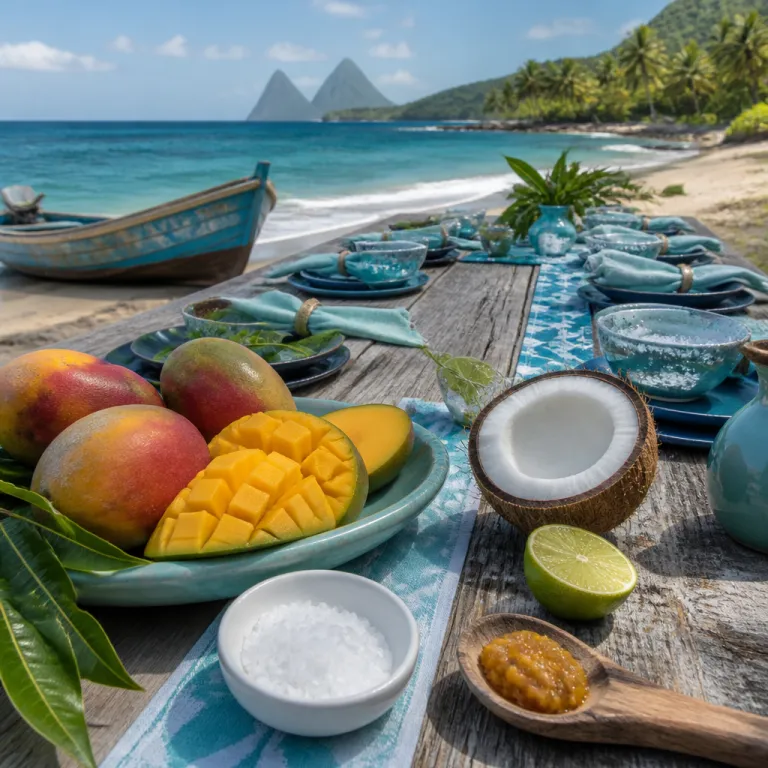
From late May through July, Saint Lucia shifts into mango season and the island’s luxury hotels quietly reorient their kitchens around this tropical fruit. According to the Saint Lucia Ministry of Agriculture’s seasonal crop calendars, June is usually the peak harvest time, when trees in the south and along the west coast are heaviest with ripe fruit. This is the moment when chefs lean into the Caribbean rhythm of harvest, working with local farmers to bring crates of green and ripe mangos straight from the hillside. For families booking premium stays, timing your trip to this season means your children see mangoes not as anonymous buffet items, but as sweet fruit that has just fallen from a mango tree with the Pitons in the background.
Local growers and agriculture officers count roughly twenty to twenty five varieties on the island, yet one name comes up again and again in conversations about the best mango for summer menus. The small, intensely sweet Julie mango, with its thin skin and almost fibre free flesh, is the variety most often requested by hotel chefs planning breakfast and dessert service during peak mango season. When you see trays of sliced Julie mangos enjoyed at sunrise, their bright yellow flesh glistening beside other tropical fruit like passion fruit and golden apple, you understand why this period is considered the finest time for mango led dining in Lucia.
For travellers used to generic Caribbean mango, the nuance here is striking, because each tree and valley produces slightly different sweetness and perfume. Some properties in Soufrière and along the west coast now publish seasonal notes, explaining when the first green ripe fruit will start to appear and how long the summer flush of ripe mangos is likely to last. If you are choosing dates for a family trip, pairing this information with a broader guide to planning the best time of year to visit Saint Lucia for a luxury stay helps you align school holidays with the most flavourful time on the island.
From breakfast buffets to tasting menus: how hotels cook with mango
Once you check into a high end property during mango season, the story of Saint Lucia’s summer mango food starts at breakfast and rarely lets up. Morning buffets move beyond a simple platter of fruit, instead offering chilled mango compote, bright yellow Julie mango purée for yoghurt, and small jars of mango pepper sauce that bring a gentle Caribbean heat to eggs. At several west coast resorts, chefs also prepare fresh mango and coconut parfaits layered with toasted granola, so guests can taste both ripe and slightly green fruit in one bowl. Families quickly realise that this is the one time of year when asking for extra mango at breakfast feels entirely natural, because the kitchens are working through an almost free flow of fresh deliveries from nearby farms.
By lunchtime, chefs are using both green and ripe mangos to shape more complex dishes that still feel light enough for the tropical climate. Thin slices of green ripe fruit appear in ceviches with local fish, where the firm texture and tart sweetness cut through the richness of coconut milk and olive oil. Ripe mango cubes, often from a Julie mango tree on the property, are folded into salads with grilled chicken, while a drizzle of mango vinaigrette replaces heavier dressings and keeps the meal feeling fresh and summer focused. On some menus you will also see chilled mango gazpacho, where blended yellow fruit, cucumber and lime create a savoury soup that still tastes unmistakably of Caribbean mango.
Dinner is where the most ambitious kitchens push Saint Lucia’s mango season into true gastronomy, especially at places like The Mango Tree Restaurant at Stonefield Estate in Soufrière, which highlights seasonal fruit on its printed menus. Here, Caribbean mango chutneys accompany slow cooked pork, mango reductions glaze lobster, and desserts might pair roasted mango with estate grown cocoa nibs, creating a bridge between fruit and chocolate that feels uniquely Lucia. Front of house teams often explain which variety is on the plate, whether it is Julie or another thin skinned type, so guests can connect flavour to the specific tree and hillside. If you are curious about how Creole language and culture shape these menus, read more about the island’s culinary storytelling in the Kwéyòl kitchen and how Saint Lucia’s Creole language shapes its food and hospitality.
Roadside mango culture and farm estates: where luxury meets the mango tree
Not every memorable mango moment in Saint Lucia happens under a linen covered table, and families who step beyond the resort gates during mango season often find their most vivid food memories on the roadside. Pickup trucks park under the shade of a mango tree, their beds piled high with green and ripe mangos, while vendors chat with regulars about which fruit has the sweetest flesh or the thinnest skin. Around Soufrière, Canaries and Anse La Raye, stalls typically appear from mid morning until late afternoon, with prices per heap low enough that you can taste several varieties in one stop. This is where you see Caribbean mango culture at its most relaxed, with mangos enjoyed out of hand, juice running down wrists, and children learning how to judge when a fruit is perfectly ripe by its perfume and bright yellow blush.
Luxury travellers sometimes assume that farm to table experiences must be staged, yet on Saint Lucia’s working estates the connection between tree and plate feels refreshingly direct. Properties such as Fond Doux Eco Resort and the Rabot Hotel by Hotel Chocolat sit within active agricultural landscapes, where mango trees share space with cacao, bananas and other tropical crops. Estate guides often point out individual Julie trees and explain how pruning, rainfall and volcanic soil affect the balance between sweet and tart flavours. Joining a guided walk during peak summer mango weeks means you can stand beneath a laden mango tree, feel the heat rising from the volcanic soil, and taste a slice of fresh Julie mango seconds after it has been cut.
These estates also show how mango fits into a broader Caribbean food story that includes cocoa, which has its own deep roots in Lucia’s hillsides. After a morning tasting green ripe mango and other fruit, you might move into a cacao workshop where the focus shifts from fruit pulp to roasted beans and conching. Estate teams usually share harvest calendars and explain how mango season overlaps with key stages in cocoa production, giving context to both crops. To understand how seriously the island now takes this side of its gastronomy, look at the detailed experiences described in the guide to cacao estate journeys from cocoa pod to chocolate bar in Saint Lucia, then imagine layering mango season on top of that.
Family friendly mango experiences and how to book the right hotel
For premium families, the real luxury of Saint Lucia’s mango season lies in how easily children can participate in the island’s culinary life. Many resorts now arrange informal mango picking walks where younger guests can help collect fallen fruit, learn why some mangos stay green even when ripe, and compare the taste of Julie mangos with larger, more fibrous varieties. Typical activities include guessing games around which mango came from which tree, simple lessons on why the skin of some fruit stays green, and short talks from gardeners about how they protect blossoms from heavy rain. Back in the kitchen, supervised cooking classes turn this fruit into simple mango salsa, bright yellow smoothies or even a light mango sorbet, giving children a sense of ownership over what appears on the table.
When choosing where to stay, look for properties that explicitly reference seasonal fruit menus, farm partnerships or on site mango trees in their descriptions. Hotels in Soufrière and along the quieter west coast tend to have the closest relationships with growers, which means a higher chance of tasting truly fresh mango at breakfast and seeing mangos enjoyed in savoury dishes rather than just desserts. Before you confirm dates, remember the practical advice often shared by local tourism teams: “Visit during peak season for best experience. Try various mango varieties.” Asking a hotel directly when their own trees usually come into fruit can also help you fine tune the timing of a summer trip.
Booking platforms that specialise in Saint Lucia’s luxury segment, such as stay-in-saint-lucia.com, can help you filter for properties that treat mango season as a genuine culinary event rather than a passing theme. Read how chefs talk about their use of Caribbean mango, whether they mention Julie mango by name, and how they integrate other summer fruit like soursop or golden apple into their menus. This level of detail signals a kitchen that respects the rhythm of the season, and it is the surest way to ensure that your family’s summer stay coincides with the island’s best, most sweet and sunlit mango experiences.
FAQ
When is mango season in Saint Lucia ?
Mango season in Saint Lucia typically runs from late May through July, with June as the peak harvest period. Local agriculture officers and market vendors both describe this as the time when village stalls are fullest and hotel kitchens work with the most abundant supplies of green and ripe mangos. If you want the fullest Caribbean mango experience, plan your stay within this window.
What is the most popular mango variety on the island ?
The most prized local variety is the Julie mango, a small, intensely sweet fruit with thin skin and very little fibre. Chefs favour Julie mangos for breakfast platters, desserts and sauces because their bright yellow flesh purées smoothly and holds flavour well. When you see Julie mango highlighted on a menu, it is usually a sign that the kitchen is serious about seasonal produce and sourcing from specific trees rather than anonymous suppliers.
Where can I find mango based dishes in Saint Lucia ?
During mango season, most upscale hotels and resorts feature mango in breakfast buffets, poolside snacks and evening tasting menus. The Mango Tree Restaurant at Stonefield Estate in Soufrière is particularly known for mango infused dishes that range from chutneys to desserts, and staff can often tell you which part of the property the fruit came from. Beyond hotels, roadside stalls and small local eateries also serve excellent mango based snacks when the fruit is in abundance.
How many mango varieties grow in Saint Lucia ?
Local agricultural data and farmer surveys indicate that around two dozen distinct mango varieties are grown across Saint Lucia. This diversity allows chefs to choose specific mangos for different purposes, from firm green fruit for salads to very ripe, sweet types for desserts. For travellers, it means that tasting several varieties side by side becomes a genuine part of the island’s summer food experience, especially if you ask vendors to point out Julie, Graham or other named types.
Is mango season a good time to visit Saint Lucia with children ?
Mango season is an excellent time for families, because children can engage directly with the island’s food culture. Many resorts offer fruit picking walks, simple cooking classes and kid friendly mango dishes that go beyond sugary desserts. Parents often appreciate that these activities are short, hands on and usually included in the daily programme, making them easy to fit between pool time and excursions. The combination of warm Caribbean weather, abundant tropical fruit and relaxed summer energy makes this period especially appealing for premium family trips.