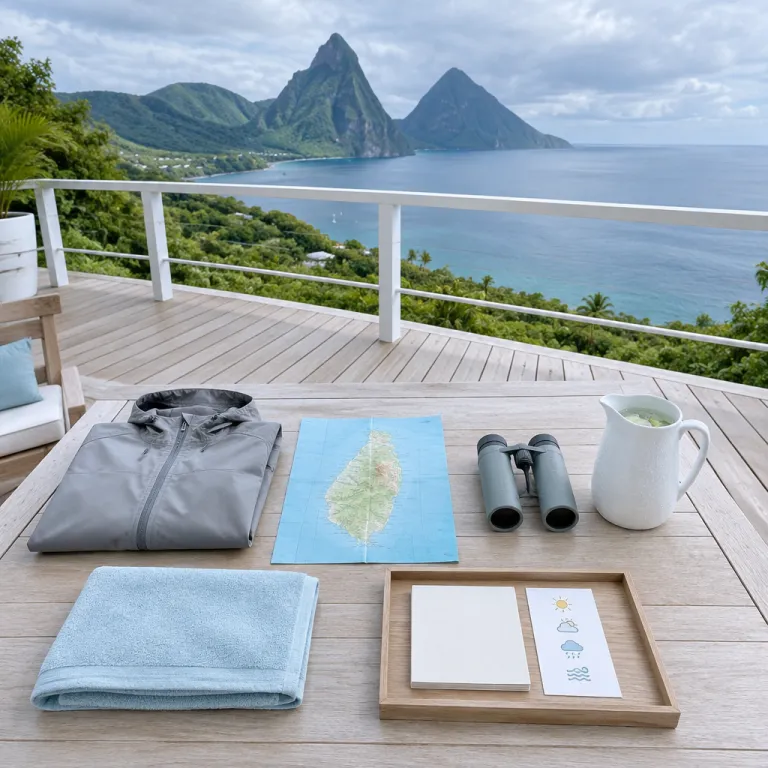
Understanding the weather in Saint Lucia in July for luxury stays
The weather in Saint Lucia in July shapes how you plan every refined detail of a luxury escape. During this month the island sits in the warm heart of the Caribbean wet season, with trade winds and sea breezes softening the heat and framing long, languid afternoons by the pool. According to the Saint Lucia Meteorological Services and NOAA climate normals for 1991–2020, July typically brings around 180–220 mm of rain and roughly 20 rainy days, yet showers are usually brief and rarely interrupt a full day of curated activities.
Average daytime temperatures in Saint Lucia in July usually hover around 30 °C, while evening lows tend to settle near 26 °C, creating comfortable highs and lows for guests who enjoy al fresco dining and late night beach walks. This pattern of highs and lows means the Saint Lucia weather feels consistently warm, so luxury travellers can pack light resort wear and still enjoy every outdoor activity from sunrise yoga to sunset cocktails. When you compare this month with the dry season from December to April, you notice that July sits outside the traditional peak season yet still offers weather Saint Lucia visitors find inviting throughout the year.
Rain in July often arrives as short, refreshing rain showers rather than long storms, which is why many seasoned guests consider this period a relaxed low season with high value. The rainy season in Saint Lucia typically spans from June to November, yet July often delivers long sunny spells between showers that allow you to enjoy the beach, the hotel spa, and curated excursions without constant disruption. For many travellers, this time of year becomes the best time to visit Saint Lucia for a quieter island atmosphere, especially when they value privacy and personalised service over the bustle of peak season crowds.
How July’s rainy season shapes luxury experiences on the island
July falls within the broader rainy season, but the weather in Saint Lucia in July rarely feels oppressive for guests staying in premium coastal resorts. Instead, the pattern of intermittent rain showers and bright intervals creates a lush, cinematic backdrop that luxury hotels use to elevate spa rituals, in suite dining, and private terrace experiences. When you read resort descriptions carefully, you will notice how many highlight this time of year as ideal for slow travel, restorative wellness breaks, and extended retreats.
Because the island landscape is nourished by regular rain, July is one of the best times to visit the botanical gardens in Saint Lucia, where orchids, ferns, and tropical trees thrive in the moist air. Many high end properties arrange private guided walks through these botanical gardens, timing departures around typical highs and lows in daily rain patterns so guests can enjoy the most vivid colours. This thoughtful planning shows how understanding Saint Lucia weather in the rainy season can transform a simple excursion into a tailored luxury activity.
For travellers comparing the dry months from December to April with this wetter time of year, July often emerges as a shoulder season that balances value and comfort. Luxury hoteliers know that this time of year encourages guests to linger in hydrotherapy pools, hammams, and wine bars while the rain passes, then step out to the beach once the sky clears. In July 2023, for example, one five star resort on the west coast reported that guests spent noticeably longer in thermal suites on rainy afternoons, then shifted to sunset champagne cruises once the sky brightened, illustrating how the Saint Lucia rainy season can enhance a high end stay and become the Saint Lucia best choice for privacy and pampering.
Choosing the best time to visit Lucia: July versus other months
When you evaluate the weather in Saint Lucia in July against other periods, you are really weighing atmosphere, price, and crowd levels. The classic peak season in this Caribbean destination usually aligns with the dry months from December to April, when rain is minimal and the island hosts more events and visiting yachts. During that peak season, the best time to visit for some guests is when every restaurant, bar, and beach club feels lively, yet others prefer a quieter month to visit for deeper relaxation.
July sits in a softer shoulder season for Saint Lucia, when room rates at luxury properties often ease while service levels remain exceptionally high. Because this time of year brings slightly more rain but still warm temperatures, many travellers find that the balance of value and comfort makes July the best time for extended stays in suites and villas. When you read expert advice on choosing the perfect moment for a luxury stay, resources such as guides on the best time to go to Saint Lucia for a luxury stay often highlight how July’s low season character can feel surprisingly indulgent.
Guests who love the driest conditions may still favour the Saint Lucia December to April window, especially if they want to combine beach days with sailing regattas and cultural festivals. However, travellers who value space, attentive service, and flexible itineraries often find that this time of year in July becomes their personal best time to visit Saint Lucia, even if it is not the traditional high season. By comparing each season in Saint Lucia carefully, you can align your preferred weather, activities, and budget with the exact month to visit that suits your style.
Designing luxury itineraries around July temperatures, rain, and activities
Because the weather in Saint Lucia in July brings warm temperatures and occasional showers, luxury itineraries work best when they blend indoor and outdoor experiences. Morning hours often deliver clear skies and gentle breezes, making this time of day ideal for private catamaran charters, guided hikes, or beach yoga sessions. As the time of year moves into the afternoon, short bursts of rain become more likely, which is when many guests retreat to spa suites, wine tastings, or chef led cooking classes.
High end hotels on the island understand Saint Lucia weather patterns intimately and schedule signature activities around typical highs and lows in heat and humidity. For example, a resort may arrange a sunrise Piton hike followed by a late morning brunch, then reserve the wetter mid afternoon period for hydrotherapy circuits or in room wellness treatments. This rhythm allows guests to enjoy the best of the Caribbean outdoors while using the rainy season to enhance restorative indoor experiences rather than interrupt them.
Evening activities in July often unfold under warm skies, as many showers have already passed and the air feels soft and inviting. Guests can enjoy candlelit dinners on the beach, rum tastings on panoramic decks, or live music in open air lounges without worrying about significant temperature lows. In July 2022, one couple celebrating an anniversary described how staff quietly shifted their beach dinner by thirty minutes to avoid a passing shower, then surprised them with a starlit dessert on the jetty once the clouds cleared, a small example of how teams adjust plans around Saint Lucia weather patterns so every day still feels carefully choreographed and indulgent.
Where to stay and what to expect from luxury hotels in July
Luxury and premium hotels in Saint Lucia design their July offerings around the specific character of the weather in Saint Lucia in July. Many coastal resorts on the island feature expansive infinity pools, shaded cabanas, and open air lounges that let guests enjoy the warm Caribbean climate even when brief rain showers pass through. Because this period often counts as a low season for international arrivals, staff can devote more time to tailoring experiences, from pillow menus to private excursions.
High end properties also use this time of year to highlight wellness and gastronomy, two pillars that are less affected by the rainy season. Guests might spend a morning at the spa, an afternoon sampling local rum and chocolate pairings, then an evening at a chef’s table that celebrates seasonal produce nourished by the rain. When you read hotel descriptions carefully, you will notice how many emphasise that July’s Saint Lucia weather conditions support slower, more immersive stays rather than rushed sightseeing.
For travellers who want to visit Saint Lucia and feel connected to local culture, July offers a chance to explore neighbourhood eateries and coastal fish fries without the dense crowds of peak season. Many concierges recommend curated food tours that highlight where locals eat in Saint Lucia, often referencing guides such as insider tips on where locals eat in Saint Lucia to shape bespoke itineraries. This combination of attentive service, softer pricing, and the relaxed rhythm of this time of year makes July a compelling month to visit for guests who value both comfort and authenticity.
Comparing July with Lucia December stays and year round planning
When you compare the weather in Saint Lucia in July with Saint Lucia December conditions, you are essentially weighing the contrast between the rainy season and the drier festive period. December on the island usually falls within the dry season, with lower chances of rain and slightly cooler temperatures that many guests find refreshing. This time of year often marks the peak season, when luxury hotels host gala dinners, yacht parties, and special events that attract a more social crowd.
By contrast, July’s position in the rainy season creates a softer, more introspective atmosphere that appeals to couples and wellness focused travellers. While December to April may be the best time for those who prioritise uninterrupted sunshine, July can be the Saint Lucia best choice for guests who value privacy, flexible booking conditions, and generous inclusions. When you read year round climate charts for Saint Lucia from sources such as the Saint Lucia Meteorological Services or the World Meteorological Organization, you will see that temperatures remain warm across every month, so the main difference lies in the pattern of rain and the flow of visitors.
For long term planners, understanding the full season in Saint Lucia helps align special occasions with the right time to visit. Honeymoons might suit the quieter shoulder season around July, while multigenerational family gatherings could fit better in the drier months from December to April when outdoor activities are easier to schedule. Because the island offers luxury experiences year round, from botanical gardens tours to private sailing, the key is to match your preferred Saint Lucia weather profile with the month to visit that best reflects your travel style.
Key figures on Saint Lucia’s climate and luxury travel planning
- Average daytime temperatures in Saint Lucia in July typically reach around 30 °C, while night time lows hover near 26 °C, creating consistently warm conditions that support outdoor dining and evening beach walks.
- Sea temperatures around the island often remain close to 28 °C in July, which means guests can comfortably swim, snorkel, and dive at almost any time of day without feeling chilled after rain showers.
- The dry season from December to April usually records fewer rainy days per month than July, which averages about 180–220 mm of rainfall, yet overall annual precipitation still supports lush vegetation in the botanical gardens and across the interior hills.
- Tourism statistics for Saint Lucia from the Saint Lucia Tourism Authority show that international arrivals in 2023 peaked between January and March, while July fell into a lower season band that can translate into more competitive luxury hotel rates.
- Because temperatures stay warm year round, with only modest variation between highs and lows, the main factor influencing the best time to visit Saint Lucia is personal preference for drier or wetter conditions rather than dramatic seasonal temperature swings.
FAQ about the weather in Saint Lucia in July for luxury travellers
Is July a good time to visit Saint Lucia for a luxury holiday ?
July is a very good time to visit Saint Lucia if you prefer a quieter atmosphere, warm temperatures, and more personalised service at luxury hotels. While the month falls within the rainy season, showers are usually brief and often occur in the afternoon, leaving long sunny periods for beach time and excursions. Many premium properties also offer attractive rates in this low season, which can enhance value without compromising quality.
How much rain should I expect in Saint Lucia in July ?
During July, Saint Lucia typically experiences regular but short rain showers rather than all day storms. Climate data from the Saint Lucia Meteorological Services and NOAA indicate that the island records around 180–220 mm of rain in July, spread across roughly 18–22 days with measurable precipitation. Most luxury hotels plan activities around common rain patterns, so guests can still enjoy a full programme of experiences.
Are temperatures comfortable in July for outdoor activities ?
Temperatures in July are warm and generally comfortable for outdoor activities, with daytime highs around 30 °C and evening lows near 26 °C. Humidity can be noticeable, but sea breezes and shaded areas at luxury resorts help maintain comfort. Early mornings and late afternoons are usually the best time of day for more active pursuits such as hiking or kayaking.
How does July compare with December to April for luxury travel ?
December to April is typically the dry peak season, with fewer rainy days and a busier social scene at high end resorts. July, by contrast, sits in the rainy season and low season, offering more tranquillity, softer pricing, and a slower pace that many luxury travellers appreciate. Both periods provide warm weather, so the choice mainly depends on whether you prefer a lively or more serene island atmosphere.
What should I pack for a July stay in Saint Lucia ?
For a July visit, pack light breathable clothing, resort wear, and elegant evening outfits suitable for fine dining at luxury hotels. Include a light rain jacket or shawl for passing showers, along with sandals that can handle wet surfaces. Sun protection, such as a wide brimmed hat and high SPF sunscreen, remains essential because UV levels stay strong even during the rainy season.
