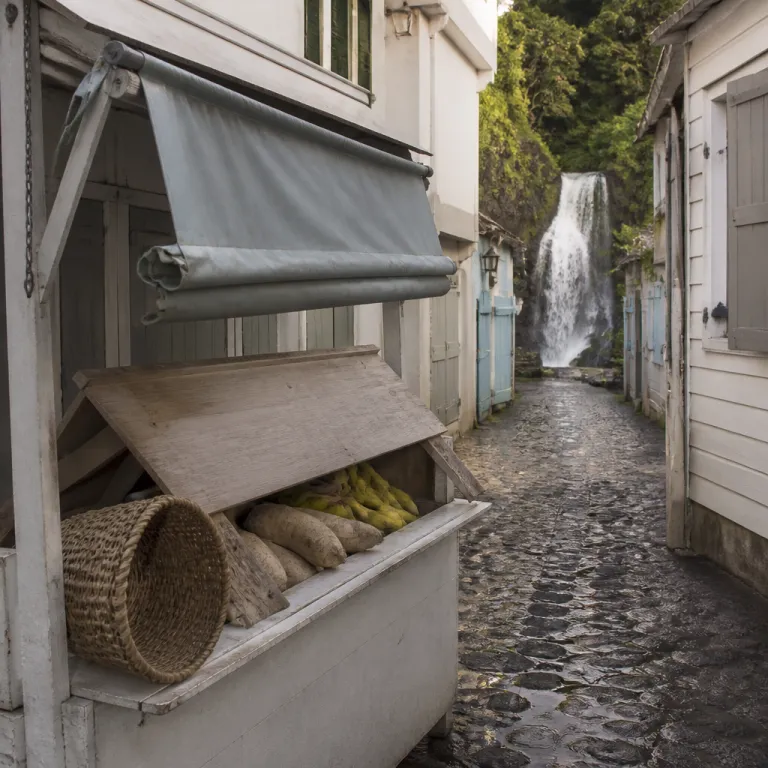
Why a Soufrière Saint Lucia walking tour belongs on every luxury itinerary
Soufrière is where Saint Lucia’s volcanic heart meets its most refined stays. A Soufrière Saint Lucia walking tour gives you what no infinity pool can offer: a close look at the town that quietly powers the island’s most photographed resorts. You move between colonial streets, a working waterfront, and jungle fringes while the Piton skyline reminds you that this Caribbean luxury is anchored in real lives.
Most guests arrive by catamaran or air conditioned tour bus, tick off the drive in volcano at Sulphur Springs, then retreat to a resort above Soufrière beach. When you walk instead, you start to understand why Soufrière, Saint Lucia became the island’s oldest town and how its French grid still frames views of Petit Piton and Gros Piton. This is the best way to balance a day at Sugar Beach or Chastanet Beach with an experience that feels grounded rather than staged.
For travelers booking a premium resort in Saint Lucia, the town walk is the missing chapter. You might spend the morning on a private cabana at Sugar Beach, then take a car into town for a two hour loop that reveals the best things about Soufrière beyond the brochure. That contrast between polished resort and lived in streets will stay with you longer than any sunset cocktail.
From a planning perspective, treat the Soufrière Saint Lucia walking tour as a core part of your stay, not a filler activity. The compact size of the town means you can cover the main things Soufrière offers on foot in one relaxed afternoon. That leaves time for a later visit to Tet Paul Nature Trail or a guided Gros Piton hike on another day.
Luxury here is not only about the resort suite but about context. When you understand the Caribbean town below your hillside pool, every view of the Piton peaks feels richer. Your visit becomes less about consuming a destination and more about entering a relationship with it.
Mapping the town on foot: square, church, waterfront and quiet backstreets
Start your Soufrière Saint Lucia walking tour at the town square, a simple plaza that faces Petit Piton with almost theatrical precision. From here you see how the streets radiate toward the waterfront, the Catholic church, and the market that anchors daily life in this part of Saint Lucia. It is a compact stage where schoolchildren, vendors, and returning fishermen share the same Caribbean light that resort guests admire from above.
Walk first to the church, its stone façade weathered by salt air and time, then step inside for a few quiet minutes. The interior is modest rather than grand, but the wooden pews and stained glass tell you more about Soufrière, Saint Lucia than any scripted tour. When you step back out, the Piton view framed by the doorway reminds you that faith and geology have always shared this island.
From the church, drift down to the waterfront promenade, recently refreshed yet still unmistakably local. You pass painted wooden houses, small bars, and the occasional guesthouse that sits between more polished resort transfers. On non cruise days the pace is slow, and you can watch the sea change color as boats shuttle guests to Anse Chastanet and Sugar Beach.
Look for the fishing boats pulled up near Soufrière beach, where men mend nets and chat in the shade. This working shoreline is a sharp contrast to Chastanet Beach or the curated sands of a private resort, yet it is part of the same bay. If you are staying at a luxury property, ask your guide to explain how fishing rights and marine reserves shape both conservation and the price of your grilled catch, which might range from about 15–30 USD per plate in small local restaurants.
As the afternoon lengthens, follow one of the backstreets that climb gently inland. Here the town thins into houses with kitchen gardens, breadfruit trees, and glimpses of a nature trail that will eventually lead you toward Tet Paul or the lower slopes of Gros Piton. For a deeper look at how hiking culture intersects with high end stays, read the detailed insights in this guide to hiking the Gros Piton trail and what the resort brochures leave out on stay in Saint Lucia.
By the time you loop back to the square, you will have traced a complete portrait of Soufrière. The walk is short in distance but dense in experience, especially when you pause often and let local residents act as informal guides. That is where the town stops being a backdrop and becomes a place you will remember by name.
Markets, cocoa sticks and spice baskets: where to spend and what to skip
Soufrière’s markets are where your Soufrière Saint Lucia walking tour shifts from scenery to texture. The town hosts several small markets that serve its population of just under eight thousand people, and they are designed for daily life rather than staged performances. When the tour buses leave, the stalls return to a rhythm that feels more like Saint Lucia than like a cruise terminal.
Begin at the central market near the square, where tables overflow with green fig, plantains, breadfruit, and bundles of bay leaf. These are the ingredients behind the national dish of green fig and saltfish, and they tell you more about the island’s palate than any resort buffet. Ask permission before taking photos, then buy a small bag of fruit or spices to support the vendors who keep this Caribbean pantry stocked.
Look out for cocoa sticks, the dense cylinders of ground cacao that become traditional Saint Lucian chocolate tea. Unlike the polished chocolate bars you might find at a resort shop, these sticks are rustic, aromatic, and often sold alongside nutmeg, cinnamon, and star anise in woven spice baskets. They make excellent gifts, and their price is usually modest, often around 3–8 USD per stick or bundle compared with similar items in hotel boutiques.
Vendor culture here is direct but rarely aggressive, especially once the day’s tour groups have moved on. You will see both residents and visitors buying from the same stalls, which is a good sign that prices remain tethered to local reality. When in doubt, ask your guide or a local resident what feels fair before you commit to a larger purchase.
Handmade baskets, bay leaf bundles, and small carvings are generally worth the suitcase space. Mass produced trinkets, plastic shells, and generic Caribbean T shirts feel less connected to Soufrière, Saint Lucia and more to a global souvenir supply chain. For a broader cultural context on what to buy and why it matters, the cultural guide to Saint Lucia on stay in Saint Lucia offers a useful lens on heritage sites, Creole kitchens, and local crafts.
Remember that your spending here has more impact than at a large resort shop. Each cocoa stick, spice bundle, or basket you buy helps sustain the market vendors who give Soufrière its daily color. That is one of the best things about walking the town rather than viewing it through a bus window.
Hidden waterfalls, mud baths and nature trails beyond the bus stops
Most visitors know the names Diamond Falls and Sulphur Springs long before they reach Soufrière. Those sites appear on every tour flyer, often bundled with a quick stop at a beach and a rushed lunch, but they are only part of the story. A more thoughtful Soufrière Saint Lucia walking tour uses local guides to thread together quieter waterfalls, mud baths, and nature trails that sit just beyond the standard route.
Toraille Waterfall is the clearest example, a compact cascade tucked into lush greenery a short drive from town. Where Diamond Falls can feel crowded when multiple tour buses arrive at once, Toraille offers a smaller, more intimate pool where you can slip under the water for a few unhurried minutes. Time your visit for late afternoon and you may share the space with only a handful of other travelers and a couple of local residents.
From town, some operators offer a combined experience that links a Soufrière Saint Lucia walking tour with Toraille Waterfall and the mud baths at Sulphur Springs. You stroll the streets, then transfer by car to the drive in volcano area, where geothermal pools steam and the air smells faintly of minerals and mud. The contrast between church bells in the square and the hiss of the volcano is one of the island’s most striking juxtapositions.
At Sulphur Springs, you can bathe in warm, mineral rich mud baths that leave your skin feeling unusually soft. The pools sit below the main drive in volcano viewing platforms, and they are often busiest when large tour groups arrive. Ask your guide to time the visit so you slip in as the buses depart, giving you more space to enjoy the experience.
For walkers who want more greenery, the Tet Paul Nature Trail offers a short, well maintained path with sweeping views of Gros Piton, Petit Piton, and the southern coast of Saint Lucia. It is not a strenuous hike, more a gently climbing nature trail that rewards you with some of the best things you can see without committing to a full summit attempt. From its viewpoints you can trace the line of the island’s beaches, including Sugar Beach and Anse Chastanet, and understand how the Piton bays cradle both resorts and fishing villages.
Local tour operators often bundle these elements into half day or full day experiences, and typical entrance fees range from about 5–15 USD per site, with guided packages costing more depending on group size and inclusions. Methods range from pure walking to mixed transfers by vehicle, but the most rewarding itineraries always leave room for unscripted moments. Utilizing local knowledge for authentic experiences is the quiet innovation that turns a standard excursion into something you will talk about long after you leave the island.
Timing, late afternoon light and how to pair town walks with luxury stays
Timing is the detail that separates a perfunctory Soufrière Saint Lucia walking tour from an elegant, deeply felt one. Cruise ship schedules dictate when the town swells with visitors, and those same hours fill the drive in volcano, Diamond Falls, and the main mud baths. If you are staying at a luxury resort, use your concierge to check arrival patterns, then plan your visit for the quieter window after the buses roll away.
Afternoons from about two o’clock onward tend to offer the best balance. By then, many tour groups have already ticked off their photos and returned to the north of the island, leaving Soufrière, Saint Lucia to its residents and a smaller number of independent travelers. The light softens on Petit Piton, the heat eases, and the waterfront promenade becomes a place to linger rather than to rush through.
Local tourism teams often summarize it simply: "What is the best time to visit? Afternoons after tour buses leave are ideal." That advice holds whether you are walking the town, heading to Toraille Waterfall, or planning a late day soak in the mud baths at Sulphur Springs. It is also when you are most likely to find space at small restaurants that serve green fig dishes and grilled fish to locals first.
For guests at properties near Sugar Beach, Anse Chastanet, or Chastanet Beach, the most seamless approach is to dedicate one day to the town and its surroundings. Spend the morning on the sand or at the spa, then arrange a boat or car transfer into Soufrière for a guided loop that runs roughly from 2:30 p.m. to 4:30 p.m. and ends around sunset. You will return to your resort with the glow of the Piton peaks mirrored in the bay and a much clearer sense of the place beneath your suite.
Those who crave an even more immersive Caribbean stay can pair their town walks with nights in properties that lean into landscape driven luxury. Overwater style villas and cliffside suites around Saint Lucia are profiled in depth in this guide to the best Caribbean overwater bungalows for a Saint Lucia style escape on stay in Saint Lucia. When you combine that level of comfort with repeated visits to Soufrière’s streets, markets, and nature trails, the island stops feeling like a postcard and starts feeling like a temporary home.
As you plan, remember the basics that make walking here comfortable and safe. Wear comfortable shoes, carry a water bottle, and bring some cash for market purchases and small entrance fees, which are often in the 5–20 USD range and not always card friendly. Yes, it is generally safe; exercise standard precautions, stay aware of your surroundings, and you will find that the town welcomes curious visitors who take the time to walk.
Where to eat, what to taste and how town walking reshapes your stay
Food is where a Soufrière Saint Lucia walking tour most clearly diverges from a packaged excursion. When you step away from the waterfront restaurants that cater to tour groups, you find small dining rooms and street side grills that feed the people who keep the resorts running. These are the places where green fig, stewed lentils, and grilled catch of the day appear without translation.
Look for local restaurants just off the main square, where menus are written on chalkboards and the soundtrack is conversation rather than a sound system. Here you might eat a plate of green fig and saltfish, a bowl of fish broth, or a generous serving of chicken with rice and peas for about 8–20 USD, a cost that feels almost symbolic compared with resort pricing. Ask what is fresh, and you will often be steered toward fish landed that morning at Soufrière beach.
Street food is another quiet highlight, especially in the late afternoon when workers finish their day. Vendors set up grills for chicken, fish, and sometimes skewers of pork, while others sell bakes, roti, and small bags of local snacks. If you are unsure where to start, ask your guide or follow the line of residents who clearly know the best things to order.
Dessert and snacks often revolve around fruit and chocolate, a reminder that cocoa estates still shape the hills around Soufrière, Saint Lucia. You might find homemade cocoa tea, small pieces of dark chocolate, or cakes flavored with nutmeg and cinnamon bought from the same market where you saw cocoa sticks earlier. These tastes connect the town to the wider island economy in a way that no resort dessert buffet can fully replicate.
Walking also changes how you relate to your resort once you return. After an afternoon tracing the streets, markets, and nature trails that frame Soufrière, the view from your balcony at Sugar Beach or Anse Chastanet feels less abstract. You will recognize the curve of the bay, the line of the road that leads toward Tet Paul Nature Trail, and perhaps even the roof of the church you stepped into hours earlier.
For solo explorers, this blend of luxury and locality is particularly powerful. You have the privacy and comfort of a high end resort, yet your days are punctuated by real conversations with guides, market vendors, and residents who share their town with quiet pride. That is the kind of Caribbean experience that lingers long after your final hike, your last waterfall swim, and your closing walk along the Soufrière waterfront.
FAQ about walking Soufrière and nearby waterfalls
Is Soufrière safe for solo travelers on foot ?
Soufrière is generally safe for visitors who use standard urban common sense. Stick to well used streets, avoid flashing valuables, and favor afternoons when businesses are open and the town feels lively. Many solo travelers choose to hire a local guide for their first loop, then explore independently once they understand the layout.
How long does a typical Soufrière town walk take ?
A relaxed Soufrière Saint Lucia walking tour of the square, church, waterfront, and market usually takes one to two hours. Adding Toraille Waterfall, Diamond Falls, or the mud baths at Sulphur Springs will extend the outing to a half day. Plan extra time if you want to stop for lunch, shop for cocoa sticks, or photograph the Piton views.
Do I need a guide to visit the waterfalls near Soufrière ?
You can visit Toraille Waterfall, Diamond Falls, and Sulphur Springs independently by taxi or rental car. That said, local guides add context about geology, history, and the best times to avoid crowds, which is valuable if you have limited time. Guided tours also simplify logistics if you want to combine multiple sites with a town walk.
What should I wear and bring for a town and waterfall day ?
Wear comfortable walking shoes, light clothing, and a swimsuit under your clothes if you plan to bathe in waterfalls or mud baths. Bring a small backpack with water, sunscreen, insect repellent, and cash in USD or Eastern Caribbean dollars for entrance fees and market purchases. A quick drying towel and a change of clothes are useful if you are returning directly to a resort restaurant or bar.
Can I combine Soufrière town, Tet Paul Nature Trail and a beach visit in one day ?
It is possible to combine a short town walk, Tet Paul Nature Trail, and a few hours at Sugar Beach or Anse Chastanet in a single well planned day. Start early with Tet Paul to avoid heat, then head into town for lunch and a walking loop before finishing on the beach. Coordinate transfers through your resort or a trusted driver so you are not rushed between stops.