How saint lucia sustainable eco hotel pioneers are redefining island luxury
On the west coast of Saint Lucia, sustainability is no longer a side note. The most interesting luxury properties on the island now treat eco engineering, marine science and local agriculture as core parts of the guest experience, not marketing garnish. For business travelers extending a stay, this new generation of saint lucia sustainable eco hotel offers both discretion and a clear conscience.
Soufrière is the crucible for this shift, framed by the Piton Mountains and the Soufrière Marine Reserve. Here, volcanic stone, rainwater and solar power are not abstract concepts but the literal building blocks of each eco resort and estate that takes climate and conservation seriously. The result is a cluster of properties where natural beauty, sulphur springs and working cocoa plantations sit comfortably beside high thread count sheets and attentive service.
Ti Kaye Resort & Spa, perched above the water between Castries and Soufrière, is a useful benchmark for what genuine eco conscious luxury looks like on the island. The resort holds EarthCheck Silver Certification, generates around 45 kW of solar power and uses local volcanic stone in its construction to reduce embodied carbon from imported materials. Guests still enjoy private plunge pools and refined Caribbean dining, but the operations team quietly tracks climate change impacts, plastic pollution risks and marine management obligations in the surrounding Soufrière Marine area.
Anse Chastanet, Jade Mountain and the rise of marine led conservation
On the road south from Soufrière town, Anse Chastanet and Jade Mountain sit on a steep estate that drops into one of Saint Lucia’s most photogenic bays. Both properties are often cited as the archetype of a saint lucia sustainable eco hotel because they link architecture, food systems and marine conservation in a single, coherent program. This is where the island’s shift from token eco gestures to structural change becomes most visible.
Anse Chastanet was built into the hillside using local volcanic stone and timber, reducing the need for container shipped materials that carry a heavy climate cost. The resort’s Emerald Farm supplies organic produce, cocoa and herbs to the kitchens, cutting food miles while supporting local businesses and farmers in the Soufrière region. Guests can explore the farm on guided walks, tasting cocoa at different stages and understanding how fond doux style agroforestry protects soil, water and natural habitats.
Below the rooms, the Soufrière Marine Reserve and the Anse Chastanet reef system form a living classroom. The hotel’s Marine Health Alliance invites guests to help monitor coral reefs, log fish sightings and contribute to conservation data collection that feeds into wider marine management efforts. “What makes these hotels sustainable? Use of local materials, renewable energy, and on-site farms.” is not a slogan here ; it is a daily operational checklist that shapes dive briefings, snorkel routes and even how the resort handles grey water before it reaches the bay.
Fond Doux Eco Resort, balenbouche estate and the power of working landscapes
Move inland from the coast and the saint lucia sustainable eco hotel story becomes more agricultural, more textured and arguably more radical. Fond Doux Eco Resort and Balenbouche Estate both show how a restored estate can carry the weight of history while still feeling like a contemporary Caribbean retreat. For executives used to glass towers and climate controlled boardrooms, waking up among cocoa trees and breadfruit is a recalibration.
Fond Doux Eco Resort occupies a nineteenth century cocoa estate in the hills above Soufrière, with cottages tucked between fruit trees and organic gardens. The property’s doux eco philosophy is simple but demanding ; keep the land productive, keep the architecture low impact and keep the supply chain as local as possible. That means cocoa, bananas and spices heading straight into the kitchen, rainwater feeding cisterns and volcanic stone anchoring pathways that resist tropical downpours.
Balenbouche Estate on the south of the island takes a similarly grounded approach, pairing heritage site preservation with low density accommodation and careful water use. Guests can explore old sugar mill ruins, walk to small coves and see first hand how climate change, coastal erosion and plastic pollution affect even quiet corners of Saint Lucia. When these estates host small corporate retreats or post conference stays, the conversation often shifts from quarterly results to how land stewardship, marine reserve protection and springs Soufrière style geothermal resources can underpin a more sustainable Caribbean economy.
Independent power, water systems and the new material language of luxury
The most ambitious saint lucia sustainable eco hotel projects now start with infrastructure, not interiors. TheLifeCo Saint Lucia, for example, was designed with independent water supply and electricity generation systems, reducing reliance on the island grid and its diesel heavy energy mix. Its wellness focused restaurant sources organic produce from Marquis Estate, creating a closed loop between land, kitchen and guest that feels more like a private retreat than a conventional resort.
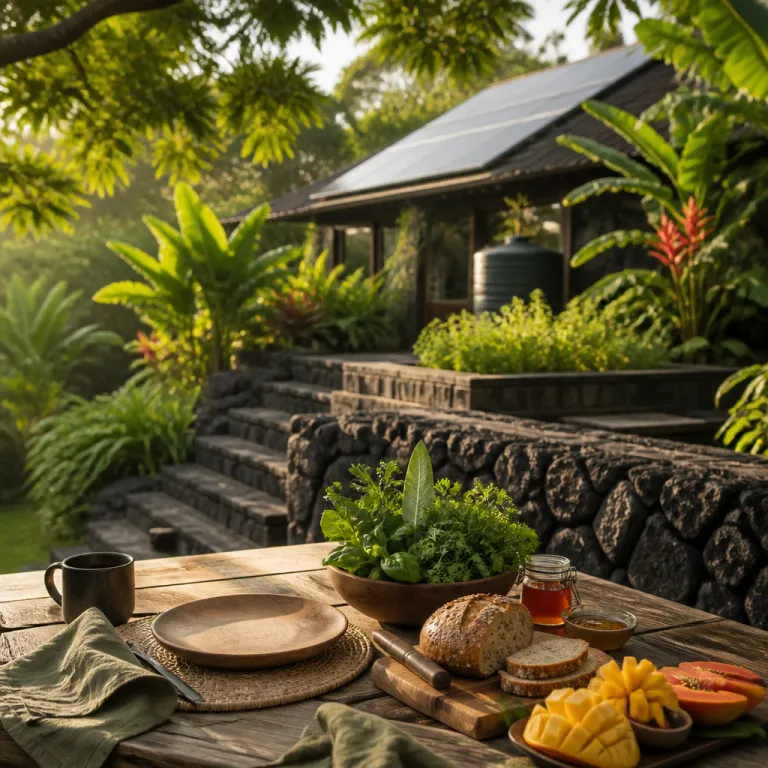
Across the island, architects are specifying volcanic stone and local timber instead of imported marble and composite cladding. This shift is not aesthetic alone ; it cuts shipping emissions, supports local quarrying and carpentry businesses and helps buildings sit more lightly in the landscape. When you walk into a suite at Jade Mountain, the open walled design, stone columns and absence of air conditioning in many spaces are not cost saving measures but deliberate climate and energy decisions.
Independent water systems are equally transformative, especially in hillside properties above Soufrière and along the Caribbean coast. Rainwater harvesting, grey water treatment and careful pool design reduce pressure on local aquifers and limit runoff into marine ecosystems and coral reefs. For guests, the experience remains seamless — showers run hot, plunge pools stay full, and the only visible sign of engineering is perhaps a discreet solar array catching the light above the Piton Mountains.
Wellness, culture and the tension between comfort and carbon
Wellness programming has become another testing ground for what a saint lucia sustainable eco hotel can be. Moonstone Spa, set along the water’s edge, uses locally sourced botanicals and oils rooted in Caribbean self care traditions, quietly supporting regional producers who cultivate herbs, flowers and cocoa based products. Treatments reference sulphur springs rituals, sea salt scrubs and marine inspired therapies that feel anchored in the island rather than imported from a global spa menu.
Yet the tension between luxury expectations and measurable carbon reduction remains real. Guests still want air conditioning, daily linen changes and heated plunge pools, even as properties publish climate strategies and conservation commitments. The most credible resorts now communicate clearly, explaining why linen changes might be reduced, how marine management rules shape boat traffic in the Soufrière Marine Reserve and why certain areas of coral reefs are off limits to casual snorkeling.
For business leisure travelers, the sweet spot lies in informed choice. You might stay at an eco conscious estate near Soufrière for meetings, then shift to a refined beachfront property that takes cues from places like Chenay Bay in the US Virgin Islands, as explored in this analysis of quiet beachfront elegance in Saint Lucia. Across these stays, the through line is the same ; respect for natural beauty, engagement with local businesses and a willingness to treat climate change, plastic pollution and conservation as central to the Caribbean luxury conversation, not a footnote.
Practical guidance for choosing a genuinely sustainable saint lucia stay
Choosing a saint lucia sustainable eco hotel starts with asking precise questions. Does the resort publish clear data on renewable energy use, water management and waste reduction, or does it rely on vague eco language. Are there tangible links to local businesses, from farm sourcing and fishing cooperatives to cultural guides and marine reserve partners.
Look for properties that integrate land and sea stewardship into daily operations, not just guest activities. Anse Chastanet’s Marine Health Alliance, for example, turns snorkeling into citizen science while its farm to table program reduces reliance on imported food. Ti Kaye Resort & Spa, Jade Mountain, Fond Doux Eco Resort and Balenbouche Estate all show in different ways how volcanic stone construction, on site agriculture and careful water use can coexist with high service standards.
Finally, consider how your own habits align with the island’s conservation goals. Using the reusable water bottles provided, joining guided walks instead of private vehicle tours and respecting Soufrière Marine Reserve rules all reduce your footprint. If your trip includes cultural events or festivals, properties highlighted in guides to how luxury hotels join Saint Lucia’s carnival can balance celebration with eco conscious operations, proving that climate aware travel does not mean sacrificing atmosphere or comfort.
FAQ
What makes a saint lucia sustainable eco hotel genuinely different from a standard resort ?
A genuinely sustainable property in Saint Lucia integrates environmental and social responsibility into its core operations rather than treating them as add ons. That means using local volcanic stone and timber, investing in solar power and rainwater harvesting, running on site farms or sourcing from nearby estates and supporting marine reserve management. Certifications such as EarthCheck or LEED, transparent reporting and active partnerships with local communities and conservation groups are strong indicators.
How do these hotels support local communities and businesses ?
Leading eco conscious resorts hire predominantly from nearby towns and villages, offering training and long term careers. They buy produce, fish and services from local businesses, from cocoa farmers at estates like Fond Doux to boat operators working within Soufrière Marine Reserve guidelines. Many also fund education programs, heritage site restoration and marine conservation initiatives that benefit the wider island, not just their guests.
Can guests participate in sustainability efforts during their stay ?
Guests are increasingly invited to join farm tours, reef monitoring sessions and guided hikes that highlight climate change impacts and conservation responses. At Anse Chastanet, for example, visitors can help record coral reef health data, while at Fond Doux Eco Resort they can walk working cocoa fields and learn about agroforestry. Simple actions such as using reusable water bottles, accepting reduced linen changes and respecting marine reserve rules also make a measurable difference.
Are eco focused luxury hotels in Saint Lucia suitable for business travelers extending work trips ?
Yes, many of these properties are well suited to business leisure travelers who expect reliable connectivity, quiet workspaces and polished service. Resorts like Jade Mountain, Ti Kaye Resort & Spa and TheLifeCo combine strong infrastructure with independent power and water systems, ensuring comfort even in remote settings. The atmosphere tends to be more reflective than party focused, which suits executives looking to decompress while aligning their travel with climate and conservation values.
How does staying at an eco resort affect access to beaches, marine activities and spas ?
Access is usually enhanced rather than restricted, but activities are managed more carefully. Properties near the Soufrière Marine Reserve often offer excellent snorkeling and diving with briefings on coral reefs, marine life and no go zones to protect sensitive areas. Spas such as Moonstone Spa or wellness retreats like TheLifeCo integrate local botanicals, sulphur springs traditions and water conscious design, so treatments feel both indulgent and grounded in the island’s natural systems.
Sources
EarthCheck
US Green Building Council (LEED)
Saint Lucia Tourism Authority