Why whale and dolphin watching off Saint Lucia feels different
The deep sea drops away sharply just off Saint Lucia’s west coast, creating a marine corridor where whales and dolphins travel close to the island. This makes whale watching off this Caribbean shoreline unusually rewarding, because you can leave your luxury hotel after breakfast and be alongside marine mammals in less than an hour. For families who have already booked a premium stay in lucia, this proximity turns a simple watching trip into a signature memory rather than a full day expedition.
On a typical whale watching saint lucia outing, you head out by boat from Rodney Bay or Castries and follow the island’s leeward coastline, with the Pitons slowly rising ahead. Calm Caribbean sea conditions on this side of the island usually mean gentler swells than the Atlantic, which matters if you are planning a watching tour with younger children. The same deep sea trench that attracts sperm whales and pilot whales also channels large pods of spinner dolphins and spotted dolphins, so your captain will often scan for birds and surface ripples rather than chase animals directly.
Luxury travelers sometimes expect a cruise style experience with guaranteed sightings, yet whale watching here is closer to a safari than a theme park. You may see whales, you may only encounter dolphins, or occasionally just sea birds and flying fish, because wild animals follow their own rules. When the conditions align, though, watching lucia’s west coast from the water while whales dolphins surface against the Pitons is one of the great marine experiences in the Caribbean.
What you can realistically see on the water
The most reliable encounters on a whale watching saint lucia tour involve dolphins rather than a single whale, especially resident spinner and pantropical spotted pods that work these waters year round. These dolphins often bow ride the boat, weaving through the sea in tight formations, which is thrilling for children but still gentle enough for cautious parents. Dedicated dolphin watching tours sometimes focus on these playful marine mammals, accepting that whales may or may not appear on any given trip.
In the deeper channels off Soufrière and down toward Vieux Fort, crews occasionally locate sperm whales resting between dives or pilot whales cruising in small family groups. Humpback whales migrate through the wider Caribbean, so there are seasons when your watching trip might include a distant breach or tail slap, though such moments are never guaranteed. Killer whales are rare visitors rather than regulars here, so any mention of them should be treated as a lucky bonus, not a promise when you are booked on a cruise or private charter.
Operators sometimes market combined whale dolphin excursions, yet the best guides are careful to set expectations clearly before the boat leaves the marina. They will explain that marine mammals move constantly, that sea conditions can change, and that the tourism industry here is learning from places like South Africa where long experience has refined responsible watching practices. If your family is serious about underwater life, consider pairing a morning on the water with refined underwater escapes such as the luxury-focused Saint Lucia diving experiences described in this guide to high end diving on the island.
Choosing a responsible, family friendly operator
For premium families, the right whale watching saint lucia operator matters as much as the marine life itself. Look for small group tours that limit passenger numbers on the boat, because fewer people means better rail space for children and less crowding when dolphins appear. A responsible captain will brief guests on how close they can approach whales and dolphins, making it clear that the animals decide the distance, not the humans.
Ask directly how the crew handles encounters with sperm whales, pilot whales, and other large whales, and whether they ever chase animals or cut across their path. Ethical watching tour practices include slowing down well before reaching marine mammals, keeping parallel courses, and switching off engines if whales dolphins choose to approach. Families should also check for shaded seating, life jackets sized for children, and clear guidance on sea sickness management before committing to a watching lucia excursion.
Some operators, such as Mystic Man Tours in Soufrière or long established captains in Rodney Bay, combine whale watching with scenic coastal cruising past the Pitons. When you speak with any captain, whether it is a well known name like Captain Mike or a smaller local skipper, ask how long the trip lasts and whether there is flexibility to shorten it if younger children tire. If your family prefers to stay closer to shore, you might alternate a half day on the deep sea with an afternoon exploring the best shore access reefs for families, using resources such as this guide to snorkeling in Saint Lucia without a boat.
Designing the perfect day from your luxury hotel
Most luxury and premium hotels along Saint Lucia’s west coast can arrange a private or semi private whale watching saint lucia charter directly from their concierge desks. This is particularly convenient for families, because transfers to the marina are handled, snacks are prepared, and the watching trip is timed around nap schedules or early dinners. When you are already booked into a high end property near Soufrière or Marigot Bay, you can often combine a morning at sea with an afternoon by the pool without feeling rushed.
Consider starting with a calm early departure, when the Caribbean sea is usually at its flattest and the sun is still gentle for younger skin. Your captain may steer along the island’s coastline first, pointing out coves, fishing villages, and the Pitons, before heading into deeper water where marine mammals are more likely. This scenic cruise element matters for families, because even if whales or dolphins stay elusive, the island views and the sense of being out on the open sea still justify the tour.
After returning to your hotel, many guests like to keep the marine theme going with a relaxed lunch or dinner that highlights local seafood. For curated suggestions on where to eat in Saint Lucia right now, including refined spots that work well after a day on the water, consult this insider guide to the island’s standout restaurants. Families who plan carefully can turn a single day into a layered experience that moves from deep sea watching lucia moments to Piton framed dining without ever feeling like a rushed checklist.
Practical tips, safety and setting honest expectations
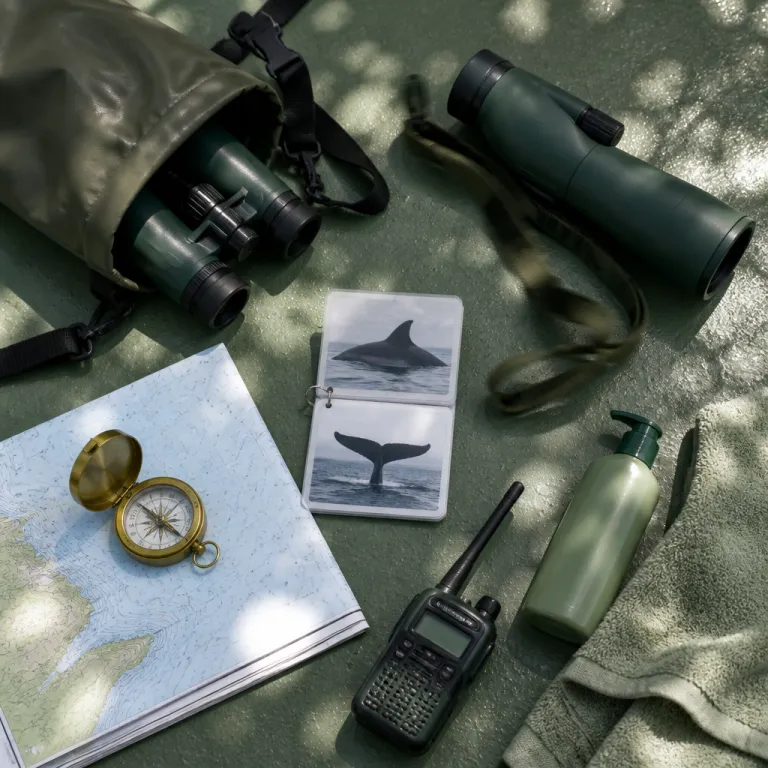
Wildlife focused travel demands a different mindset from a resort pool day, especially when children are involved. Before any whale watching saint lucia outing, check the forecast for wind and swell, because even the sheltered Caribbean side of the island can feel choppy for sensitive stomachs. Pack reef safe sunscreen, light long sleeves, hats, and any medication your family uses for motion sickness, then brief children honestly that whales and dolphins are wild animals, not guaranteed performers.
On board, encourage everyone to hold railings when the boat moves at speed and to listen carefully to the crew, who know how to balance safety with good viewing angles. Many captains here have backgrounds in sea fishing or inter island transport, so they understand local currents and how to position the vessel without stressing marine mammals. If anyone feels unwell, tell the crew early, because small adjustments in speed or heading can make a great difference to comfort on a watching tour.
Parents sometimes worry about references to hippo or other large animals when children start comparing different wildlife destinations, yet Saint Lucia’s focus is firmly on marine species rather than land based giants. The tourism industry here is gradually aligning with best practice from places such as South Africa, where long running whale watching operations have refined codes of conduct around sperm whales, humpback whales, and other species. For families who respect these limits, a watching trip off this Caribbean island offers a rare chance to see whales, dolphins, and other marine animals in their own element, framed by one of the most dramatic coastlines in the region.
FAQ
Are whale and dolphin sightings guaranteed off Saint Lucia ?
No operator can guarantee that you will see a whale or dolphins on any given watching trip, because these are wild marine mammals that move constantly. The deep sea trench off the island makes sightings relatively frequent, yet some tours see only dolphins, and a few see no animals at all. Choose a company that explains this clearly before you are booked, so expectations stay realistic.
Is whale watching suitable for young children and older relatives ?
Most whale watching saint lucia excursions welcome families, but age suitability depends on sea conditions, boat size, and trip duration. Shorter tours on larger, more stable vessels with shaded seating work best for mixed age groups, especially if anyone is prone to motion sickness. Ask the captain about minimum ages, safety equipment, and options to return early if someone feels unwell.
When is the best time of year for whale and dolphin watching ?
Dolphins are present around Saint Lucia throughout the year, while different whale species pass through seasonally. Calmer sea conditions often occur outside the windiest months, which makes the experience more comfortable for families and improves the chances of spotting surface activity. Early morning departures usually offer the smoothest ride and the softest light on the island’s coastline.
What should I bring on a whale watching tour from my hotel ?
Pack reef safe sunscreen, a hat, sunglasses, and a light long sleeved layer to protect against sun and wind on the open sea. Non slip shoes, a reusable water bottle, and any motion sickness remedies your family prefers are also useful on a deep sea watching lucia outing. Many luxury hotels provide towels and snacks, but it is worth confirming this when you book through the concierge.
How do I know if an operator is responsible and ethical ?
Responsible operators limit passenger numbers, keep respectful distances from whales and dolphins, and never chase or cut across the path of marine mammals. They brief guests on behavior around animals, follow local guidelines, and cancel trips when sea conditions are unsafe rather than pushing ahead. When in doubt, ask directly about their approach to sperm whales, pilot whales, and other species, and choose the company whose answers feel measured rather than sensational.