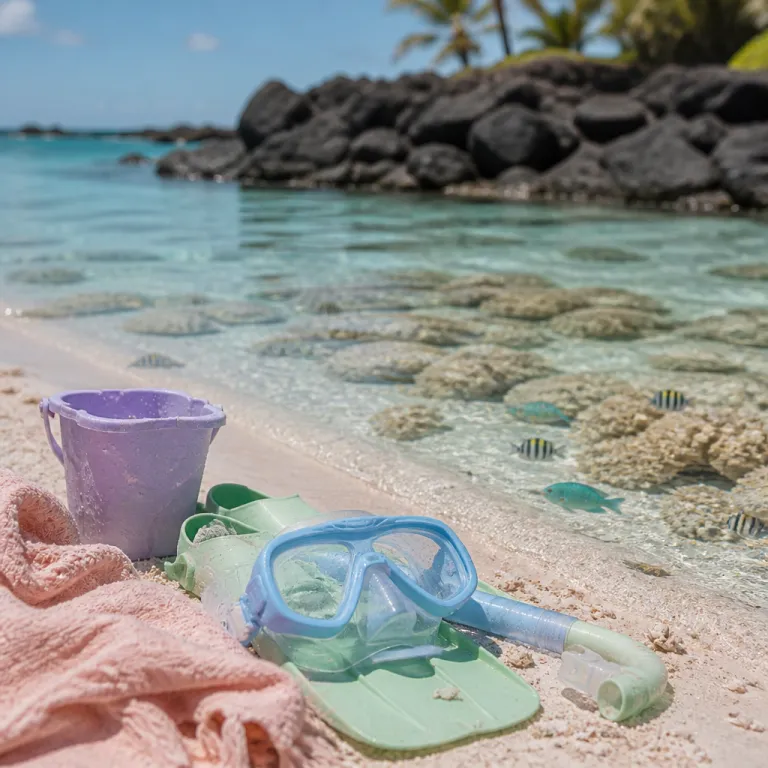
Shore-access snorkeling in Saint Lucia for luxury-oriented families
Why shore-access snorkeling in Saint Lucia suits premium families
Snorkeling in Saint Lucia from the shore suits families who like freedom. Luxury travelers often want the best marine life without committing their limited time to crowded catamarans or rigid snorkeling tours. When you can walk from your room to the beach with a snorkel in hand, the whole island life rhythm changes for parents and children.
On this volcanic island, the west coast shelters calm bays where coral gardens sit just a few meters from the sand. That makes the main promise of snorkeling Saint Lucia with easy beach entry for families very real, especially for guests staying in inclusive resorts or premium villas near the water. You can read the sea conditions from your terrace, then step into the Caribbean when the light is right and the fish are closest to shore.
Families choosing Saint Lucia over another Caribbean island usually want more than a pool and a kids’ club. They want children to remember trumpet fish hovering over coral heads, not just the waterslide at a large resort. Shore-entry snorkeling spots like Anse Chastanet, Anse Cochon and Pigeon Island let you match that wish with practical safety, short swim distances and easy access from many of the best luxury beaches.
For parents comparing inclusive resorts and independent stays, reefs that can be reached directly from the beach become a serious booking filter. A hotel that sits on a protected bay with gentle entry and visible fish will feel very different from a property where you must book a boat every time you want to snorkel. That is why we treat family-focused, shore-based snorkeling access in Saint Lucia as central when we review high-end hotels on stay-in-saint-lucia.com.
The Saint Lucia Tourism Authority notes that “Year-round” snorkeling is possible, but that “Morning hours offer calmest waters.” For families, that means early swims off the beach, then shaded afternoons by the pool or exploring Rodney Bay, Marigot Bay or Soufrière town. It also means you can plan your travel days around the sea, not around departure times for group snorkeling tours.
Anse Chastanet and Sugar Beach: shore-access reefs under the Pitons
Anse Chastanet is the island’s flagship for serious yet accessible shore snorkeling. The reef starts almost at the waterline, and more than 150 documented fish species have been reported here in marine life surveys referenced by the Saint Lucia Tourism Authority, making it one of the best snorkeling spots in Saint Lucia for families who want dense marine life without a long swim. You enter from the beach, follow the roped area and quickly meet clouds of reef fish, trumpet fish and the occasional sea turtles cruising the drop-off.
This bay forms part of the Soufrière Marine Management Area, so there is a small marine park access fee, usually around 5 to 10 US dollars per person at the time of writing, according to recent visitor reports and official fee schedules. Pay it gladly, because that credit supports conservation and the coral restoration work that keeps this family-friendly shore snorkeling experience vibrant. Reef Environmental Education Foundation (REEF) has supported fish monitoring projects here, and the presence of local guides and marine wardens adds a quiet layer of safety for parents.
You do not need to stay at the Anse Chastanet resort to snorkel the reef. Taxis from Soufrière typically take about 10 to 15 minutes, while transfers from north Saint Lucia hotels near Rodney Bay or Gros Islet usually run 60 to 90 minutes depending on traffic. Drivers can drop you at the entrance, and from there it is a short but steep walk of roughly five to ten minutes down to the sand and the clearly marked snorkel area. Families staying at inclusive resorts near Rodney Bay or Marigot Bay often plan a full-day trip, combining a morning snorkel with lunch in Soufrière and a late-afternoon return along the Caribbean coast.
Just around the corner, Sugar Beach sits between the Pitons with a different but equally compelling profile. Here, the reef hugs both sides of the bay, and non-guests can usually access the beach by paying a resort fee that covers loungers, towels and use of facilities. For a premium family, that fee can be worthwhile, because children can snorkel over coral in the roped zone, then retreat to shaded loungers while parents enjoy the view.
Both Anse Chastanet and Sugar Beach offer that rare combination of deep blue drama and shallow, manageable snorkel routes. The volcanic backdrop feels cinematic, yet the entry from the beach is simple enough for cautious swimmers. If you are planning a trip built around beyond-the-pool family adventures, this south-west coast pairing deserves a full read on our dedicated guide to family adventures in Saint Lucia that children actually remember.
Pigeon Island and Anse Cochon: gentle bays for younger snorkelers
Families with small children or first-time snorkelers should look closely at Pigeon Island National Landmark. The causeway creates a sheltered bay on the Caribbean side, where shallow water and a sandy bottom make entry easy for nervous swimmers. You can stand in waist-deep water, adjust masks and snorkel gear, then glide over patches of coral and seagrass where juvenile fish learn island life.
Pigeon Island works especially well for guests staying around Rodney Bay or Reduit Beach, because the drive is short and taxis are easy to arrange, often taking less than 15 minutes from most hotels in the area. Many premium hotels in this area understand the value of convenient, shore-based snorkeling for families, so they will pack early breakfasts or arrange flexible check-out times to let you swim before the trade winds pick up. The calmest time is usually early morning, when the water is glassy and the sun angle makes it easier for children to see fish without glare.
Anse Cochon, sometimes called Cochon Beach, offers a different mood, reached by a short but steep downhill trail or by water taxi from nearby bays such as Marigot Bay. The reward is a compact, quiet cove where coral heads sit close to shore and the reef feels more intimate than at larger beaches. Parents can stay within a clearly defined area, keeping an eye on children while still enjoying dense marine life and the occasional trumpet fish weaving between soft corals.
Because Anse Cochon is less developed than Rodney Bay or Reduit Beach, it appeals to families who prefer a low-key, natural setting. There are usually local operators on the sand offering snorkel rentals and informal snorkeling tours, but you can also bring your own gear for more control over quality. Either way, this bay is one of the best examples of Saint Lucia snorkeling with easy shore access for families, where the car stays parked and the reef begins just a few fin kicks from the shoreline.
If your family enjoys combining sea days with land adventures, consider pairing an Anse Cochon morning with an afternoon hike on the Gros Piton trail. Our in-depth guide to what the resort brochures leave out about Gros Piton explains how to time the climb so children are not exhausted before their next snorkel. Balancing these activities helps you use your travel time wisely, especially on shorter stays.
Gear, rentals and reef-safe habits for luxury-minded families
For premium travelers, the gear question is simple but important. Bringing your own mask and snorkel ensures a perfect fit and avoids the trial-and-error of beach rentals that may have tired straps or fog-prone lenses. Fins take more luggage space, yet for a Saint Lucia family snorkeling holiday built around shore entry they are worth packing, because they let children move confidently in gentle currents.
Most major beaches such as Anse Chastanet, Sugar Beach, Reduit Beach and some Rodney Bay properties offer on-site rentals. Prices vary, but you can expect to pay a modest fee per set for a few hours, which can add up over several days compared with buying mid-range gear at home. For families staying at inclusive resorts or Sandals Resorts properties, check whether complimentary snorkel equipment is included, even if you plan to focus on shore-entry rather than boat-based dive excursions.
Reef-safe sunscreen is non-negotiable in these coral-rich bays. Traditional formulas can damage coral and reduce the resilience of already stressed marine life, so look for mineral-based products and apply them at least twenty minutes before entering the water. Local tour operators and the Saint Lucia Tourism Authority both emphasize simple rules: “Use reef-safe sunscreen.” “Avoid touching marine life.” “Check weather conditions before snorkeling.”
Families who care about conservation can go further by joining coral restoration activities offered in the Soufrière area. PADI-affiliated reef restoration courses and coral nursery visits sometimes run from resorts near Anse Chastanet, giving older children a structured way to understand what lies beneath the surface. These experiences turn a standard Saint Lucia shore-snorkeling family holiday into an educational trip, where every fish and coral head has a story.
One final gear note concerns cameras and the inevitable photo credit question. If you plan to share images of sea turtles, trumpet fish or your children floating above coral gardens, invest in a simple waterproof housing for your phone or a compact action camera. That way, you can read back through your travel memories later and remember exactly which bay, which beach and which time of day produced your favorite shots.
Choosing the right hotel for shore-access snorkeling in Saint Lucia
Hotel location is the quiet hero of any snorkeling-focused family trip. A property set directly on a protected bay such as Anse Chastanet, Sugar Beach or a calm corner of Rodney Bay will give you more spontaneous swims than a glamorous address on a rougher stretch of coast. When we evaluate luxury and premium hotels for stay-in-saint-lucia.com, we always map how far children must walk from room to reef.
In north Saint Lucia, families often split between the energy of Rodney Bay and the slightly quieter arc of Reduit Beach. Both areas offer easy access to Pigeon Island, which is crucial if you want a gentle, shallow training ground for younger snorkelers before tackling deeper snorkeling spots further south. Inclusive resorts and high-end villas here also make it simple to arrange taxis to Anse Cochon or day trips to the Soufrière area.
Further down the Caribbean coast, properties near Soufrière sit closer to the island’s most famous reefs. Guests staying near Anse Chastanet or Sugar Beach can often snorkel before breakfast, then again at sunset, turning the sea into a daily ritual rather than a scheduled excursion. That rhythm suits families who value unhurried island life and want to read the mood of the water before deciding whether to snorkel, paddleboard or simply sit on the beach.
Sandals and other adults-focused brands dominate some bays, while family-friendly inclusive resorts cluster in others. If you are traveling with children, check carefully whether a given Sandals Resorts property accepts families, or whether you should instead look at neighboring hotels that share access to the same bay and beaches. Our guide to the best luxury hotel deals in Saint Lucia breaks down which addresses pair strong snorkeling with family-ready room categories.
Whichever hotel you choose, treat easy, family-appropriate shore access to snorkeling in Saint Lucia as non-negotiable if the sea is central to your trip. Ask specific questions before you book: How far is the snorkel entry from the rooms? Is there a lifeguard on the beach during peak time, and are there clearly visible safety flags? Can the concierge arrange private guides or small-group snorkeling tours for children who want extra confidence?
Safety, timing and practical tips for family snorkel days
Safety for family snorkeling in Saint Lucia starts with timing. Morning usually brings the calmest seas, lighter winds and better visibility, especially on the west coast beaches that face the Caribbean rather than the Atlantic. Plan your main snorkel sessions between sunrise and late morning, then keep afternoons for pool time, naps or short walks along the bay.
Currents are generally manageable at Anse Chastanet, Sugar Beach, Pigeon Island and Anse Cochon, yet conditions can change quickly after rain or strong winds. Always read the water before entering: look for flags, ask lifeguards or local guides, and watch how the surface behaves around the reef edge. If in doubt, keep children within the roped area and close to the beach, where you can stand and rest if anyone feels tired.
Life vests or snorkel vests are a smart addition for younger swimmers, even in calm bays. They reduce fatigue and let children focus on watching fish and coral rather than staying afloat, which is especially helpful on longer swims along the reef at Anse Chastanet or around the headland at Pigeon Island. For parents, that extra buoyancy also makes it easier to manage more than one child in the water at the same time.
Environmental respect is part of safety too, because a healthy reef is a safer reef. Teach children not to stand on coral, not to chase sea turtles and not to touch trumpet fish or any other marine life, no matter how friendly it appears. The Saint Lucia Tourism Authority and local tour operators share a simple reassurance for parents: “Is snorkeling safe for children?” “Yes, with proper supervision and safety measures.”
Finally, keep logistics light so the day feels like a holiday, not a military operation. Pack reef-safe sunscreen, water, simple snacks, a change of clothes and a small dry bag for phones and room keys, then leave valuables in the hotel safe or use a beach lockbox if available. With that, your Saint Lucia shore-snorkeling family days can unfold at the relaxed pace that makes this island such a compelling choice for premium Caribbean travel.
Key figures for family snorkeling in Saint Lucia
- Anse Chastanet’s reef hosts around 150 documented fish species, according to figures shared by the Saint Lucia Tourism Authority and partner marine surveys, making it one of the most biodiverse shore-access snorkeling spots in the eastern Caribbean for families.
- The Soufrière Marine Management Area charges an access fee of roughly 5 to 10 US dollars per person, based on current posted rates and recent traveler feedback, a small cost that supports conservation and helps maintain safe, well-marked snorkel zones for visitors.
- Snorkeling is possible year-round in Saint Lucia, but mornings typically offer calmer waters than afternoons, which often bring stronger currents and wind-driven chop along exposed sections of the coast.
- Most beachside rental operators charge a modest hourly rate for mask, snorkel and fins, so a family of four can easily spend the equivalent of a full-day rental on two separate short sessions if they do not bring their own gear.
- Shore-access bays such as Pigeon Island, Anse Cochon and Sugar Beach keep reef features within a few dozen meters of the shoreline, reducing swim distances and making supervision easier for parents with multiple children.
FAQ about shore-access snorkeling for families in Saint Lucia
Is snorkeling safe for children in Saint Lucia?
Snorkeling is considered safe for children in Saint Lucia when parents choose calm bays, use flotation aids and stay within marked swim areas. The official guidance is clear: “Is snorkeling safe for children?” “Yes, with proper supervision and safety measures.” Focus on sheltered beaches such as Pigeon Island, Anse Chastanet and Sugar Beach for the most family-friendly conditions.
Do we need to bring our own snorkeling gear?
You can rent snorkel gear on most major beaches and from many hotels, but bringing your own mask and snorkel usually gives a better fit and more comfort. “Do I need to bring my own snorkeling gear?” “Equipment can be rented on-site or locally.” Premium families often pack at least masks for each person, then decide on fins and extras once they see the local rental quality.
Are guided snorkeling tours necessary if reefs are accessible from shore?
Guided snorkeling tours are not strictly necessary at shore-access reefs, yet they can add value for first-time visitors or families who want marine biology insight. “Are there guided snorkeling tours available?” “Yes, local tour operators offer guided tours.” Many parents choose one guided session early in the trip, then use that knowledge to explore the same bays independently later.
Which Saint Lucia beaches are best for beginner snorkelers?
Pigeon Island’s sheltered bay, Anse Chastanet’s roped reef zone and the shallow sections of Sugar Beach rank among the best options for beginners. These beaches combine easy entry, clear water and nearby facilities, which matters when you are managing children and gear. Anse Cochon is also suitable for cautious swimmers, provided you stay close to shore and check conditions before entering.
What is the best time of day to snorkel with children?
The best time of day to snorkel with children in Saint Lucia is usually early morning, when winds are lighter, visibility is higher and the sun is less intense. Late afternoon can also work on calm days, though currents and surface chop are often stronger than in the morning. Midday sessions are possible, but you will need extra sun protection and more frequent breaks on the beach.