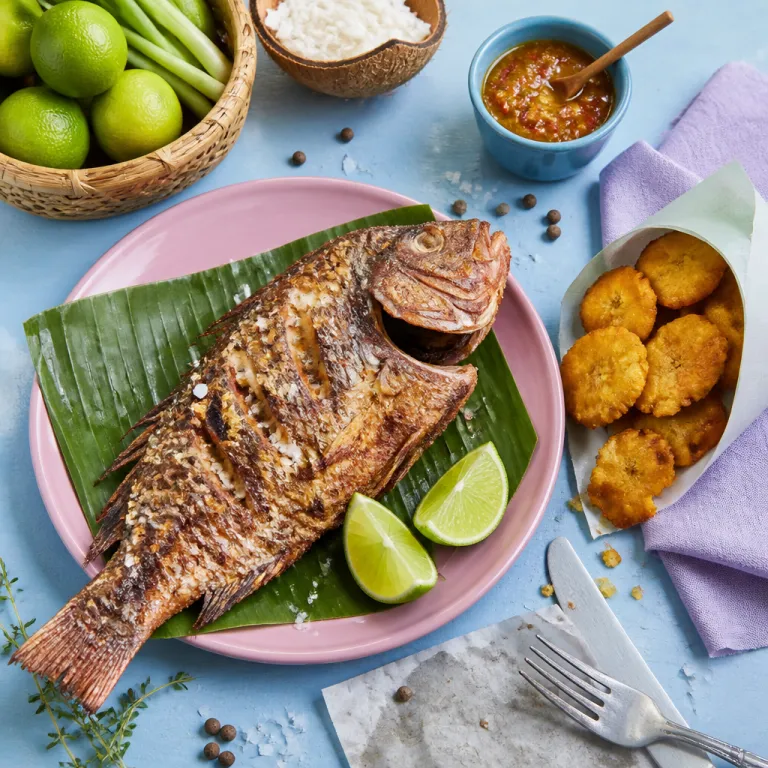
Your Saint Lucia local food street food guide beyond the hotel gates
Luxury in Saint Lucia starts to feel real when you leave the lobby and follow the scent of grilling fish along the street. This Saint Lucia local food street food guide is written for travelers who sleep in high thread count but want to eat where every Saint Lucian auntie sends her nieces on a Saturday. On this volcanic island in the eastern Caribbean, the most memorable food is often served from a charcoal drum, not a white tablecloth.
Think of this as your Saint Lucia food compass, pointing you from polished restaurants in Rodney Bay to the markets and roadside grills where Saint Lucian cuisine actually lives. You will still enjoy refined dishes at resort restaurants in places like Anse Chastanet, but the best way to understand Saint Lucia is to taste what is served to locals at plastic tables under a zinc roof. The aim is simple: help you find the best street food, fish fries, and market stalls while still returning to your premium room at night.
Every recommendation here is grounded in how people on the island really eat, from figs saltfish at dawn to rum punch at midnight. We draw on conversations with local vendors and on the rhythm of weekly culinary gatherings that shape Saint Lucian life. Whether you arrive by cruise ship into Castries or check into a hillside retreat above Soufrière, this Saint Lucia local food street food guide will help you move confidently from lobby to street.
Castries Market and the national dish: mornings with green figs and salt fish
If you want to understand Saint Lucian cuisine, start at Castries Market just after sunrise when the heat is still soft and the stalls are full. The ground floor of Castries Market, opposite the Derek Walcott Square car park on Jeremie Street, holds a dense grid of more than 300 vendors, where you walk between piles of green bananas, fragrant herbs, and the cocoa sticks that will later become cocoa tea. Upstairs, a narrow staircase leads to canteens where the national dish, green fig and salt fish, is served to office workers and taxi drivers before their day begins.
Green fig in Saint Lucia means firm green bananas, boiled until tender and then sliced, while the salt fish is usually salted cod sautéed with peppers, onions, and local seasonings. Ask for green figs with salt fish or the local shorthand of fig saltfish, and you will often receive a plate where the green figs are drizzled with oil and the figs saltfish mixture is piled on top. Expect to pay roughly EC$12–EC$20 (about US$4–US$7) for a generous serving at the market, a fraction of the version plated in hotel restaurants.
Between bites, look for cassava bread wrapped in paper, bottles of homemade hot sauce, and bundles of green callaloo leaves that will later become callaloo soup in family kitchens. On one side of the market, near the fish section by the waterfront, you may see fishermen bringing in fresh fish that will be grilled at the evening fish fries in Gros Islet or Anse La Raye. For travelers curious about the island’s farm-to-table movement, the deeper story behind these ingredients is explored in this guide to why Saint Lucia’s farm to table movement deserves more than a footnote, based on information shared by the Saint Lucia Tourism Authority and local agricultural cooperatives.
Gros Islet Friday Night and Anse La Raye: fish fries where Saint Lucia eats
By Friday evening, the quiet streets of Gros Islet transform into the island’s most famous street food event, known simply as the Friday Night Street Party. Stalls line the street near the waterfront and the Gros Islet Catholic Church, grills smoke with marinated fish, and speakers compete with the sound of waves as both locals and visitors crowd into this corner of Saint Lucia. If you stay in Rodney Bay, it is an easy taxi ride of less than 4 kilometres, and drivers know exactly where to drop you.
Arrive between 7 p.m. and 8 p.m. for the best seating, bring cash for purchases, and be prepared for crowds. At the heart of Gros Islet, you will find fish served every way, from whole snapper grilled over charcoal to lobster, lambi, and plates of fried fish with green salad and breadfruit. Many stalls also pour rum punch, Piton beer, and straight local rum, so pace yourself and alternate with bottled water as the night stretches on; a plate of fish with sides typically ranges from EC$20–EC$35 (about US$7–US$13), according to local tourism guides and regular vendors.
For a quieter, more local alternative, Anse La Raye Fish Friday on the west coast offers a smaller scale version of the same idea. Here, fishermen from the village bring their catch directly to the grills, and the dishes feel more rooted in everyday Saint Lucian cuisine than in cruise ship schedules. If your hotel is in Soufrière or near Anse Chastanet, Anse La Raye is often easier to reach than Gros Islet and gives a more intimate window into Saint Lucian life, especially when combined with a daytime visit to fruit stalls highlighted in this seasonal guide to mango season in Saint Lucia, which draws on recommendations from community tourism groups and local food tour operators.
Roadside grills, cocoa tea mornings, and rum punch sunsets
Some of the best Saint Lucia food experiences happen between towns, where a single drum grill on the roadside pulls cars off the street. On the way from Castries to Rodney Bay, or along the west coast toward Soufrière, look for clusters of smoke and a few plastic chairs, because that is where jerk chicken, grilled fish, and pork ribs are served to hungry drivers. These roadside spots rarely appear in any Saint Lucia local food street food guide, yet they define how many Saint Lucian families eat on weekends.
In the mornings, ask your hotel concierge where you can try real cocoa tea rather than the diluted version sometimes served at resort buffets. In Castries or smaller communities, cocoa tea is made from grated cocoa sticks bought at Castries Market, simmered with spices and milk until it becomes a rich, slightly bitter drink that pairs beautifully with cassava bread. This is the kind of breakfast that connects you to the island’s cocoa estates and to the farmers who still grow green cacao pods in the interior, a link often highlighted on heritage tours and in local culinary workshops.
As the day moves toward sunset, the island’s drinking culture shifts from coffee and cocoa to rum and beer. Order a cold Piton beer at a beach bar in Rodney Bay or near Anse Chastanet, and you will often see locals pairing it with simple fish dishes or plates of green figs. When you want something stronger, a well made rum punch on the street, balanced with fresh citrus and not just syrup, can be one of the most satisfying drinks in the Caribbean.
How to eat like a local from a luxury base
Staying in a premium resort in Saint Lucia does not mean you are limited to hotel restaurants and room service. Think of your property as a comfortable base camp from which you can explore the island’s food, then return to air conditioning and high thread count sheets after a night at Gros Islet or Anse La Raye. Many concierges quietly agree that the best street food is found outside the resort gates and will gladly point you toward trusted vendors.
If you are planning a special stay, such as a romantic escape or celebration, you can weave these local food experiences into a more curated itinerary. One approach is to alternate fine dining nights with evenings at fish fries and market stalls, as outlined in this five day planning guide to an anniversary in Saint Lucia done right. This balance lets you enjoy polished service at high end restaurants while still tasting the national dish, callaloo soup, and street food snacks where they are cooked for locals, without feeling that you have sacrificed comfort or safety.
Solo travelers often find that food is the easiest way to connect with Saint Lucian culture without feeling like a spectator. Sit at a shared table at Castries Market, order green figs with salt fish, and ask the person next to you where they go for the best fish on a Friday night. That single question can lead you from a hotel bar to a street where rum punch is poured into plastic cups and grilled fish is served on foil, and where you suddenly feel less like a visitor and more like part of the island’s evening rhythm.
Prices, safety, and practical tips for navigating Saint Lucia street food
One of the most pleasant surprises for luxury travelers in Saint Lucia is how affordable local food can be compared with hotel menus. A plate of green fig and salt fish at Castries Market or a fish dish at a Friday night fish fry often costs less than a single starter in many resort restaurants. That price difference is not just about budget; it reflects how food moves directly from fishermen and farmers to the grill without passing through a hotel supply chain.
When you eat street food on the island, basic precautions will keep the experience comfortable and safe. Choose stalls where the turnover is high and the fish is cooked to order, and do not hesitate to ask when the dish was prepared or how long it has been sitting. In busy places like Gros Islet, Anse La Raye, or Dennery, you will usually see which vendors attract long lines of Saint Lucian regulars, and those lines are often the best guide.
Local organizers describe these weekly gatherings clearly: “What is served at Anse La Raye Fish Fry? Freshly grilled seafood and local Creole dishes.” “When is the Gros Islet Street Party held? Every Friday evening, with music and food usually running from around 7 p.m. until after midnight.” “What should I bring to Dennery Fish Fiesta? Cash and an appetite for seafood.” These simple answers align with what you will experience on the ground, where grilling and frying over charcoal remain the core methods and where the goal is to promote local cuisine while supporting the island economy, as emphasized in community tourism brochures and municipal event guides.
FAQ: eating where locals eat in Saint Lucia
Is it safe to eat street food in Saint Lucia for visitors?
Street food in Saint Lucia is generally safe when you choose busy vendors with high turnover and freshly cooked dishes. Look for stalls where fish is grilled to order and where locals are lining up, especially at Gros Islet, Anse La Raye, and Dennery. If you have a sensitive stomach, start with cooked dishes like grilled fish, green figs, and callaloo soup rather than raw salads.
Where can I try the national dish of green fig and salt fish?
The most authentic plates of green fig and salt fish are usually found at Castries Market and small local cafés that serve breakfast to commuters. Ask for green figs with salt fish or fig saltfish, and you will receive boiled green bananas topped with sautéed salted cod and vegetables. Many hotels also serve the national dish, but the market versions tend to be less adapted to tourist tastes and closer to everyday Saint Lucian cooking.
What should I expect to pay for local food compared with hotel restaurants?
At markets and street stalls, a generous plate of fish with sides often costs the equivalent of a mid range cocktail in a luxury hotel bar. The same type of dish in resort restaurants can be several times more expensive due to service, setting, and imported ingredients. Budget minded travelers can comfortably eat most lunches and some dinners at local spots while saving hotel dining for special occasions.
Do I need a car to reach Gros Islet and Anse La Raye fish fries?
You do not need to drive yourself to enjoy the main fish fries on the island. From Rodney Bay, Gros Islet is a short taxi ride, and most drivers are familiar with the Friday night street party schedule. For Anse La Raye and Dennery, hotels can arrange round trip transfers so you can enjoy Piton beer and rum punch without worrying about navigating unfamiliar roads at night.
Can luxury travelers with dietary restrictions enjoy Saint Lucia street food?
Travelers with dietary restrictions can still enjoy many aspects of Saint Lucia local food, especially grilled fish, plain green figs, and vegetable based dishes. Communication is key, so ask vendors clearly about ingredients and preparation, and when in doubt, choose simple grilled items over complex stews. For severe allergies or strict diets, consider eating a light meal at your hotel first, then sampling small portions of street food while focusing on the atmosphere and music.