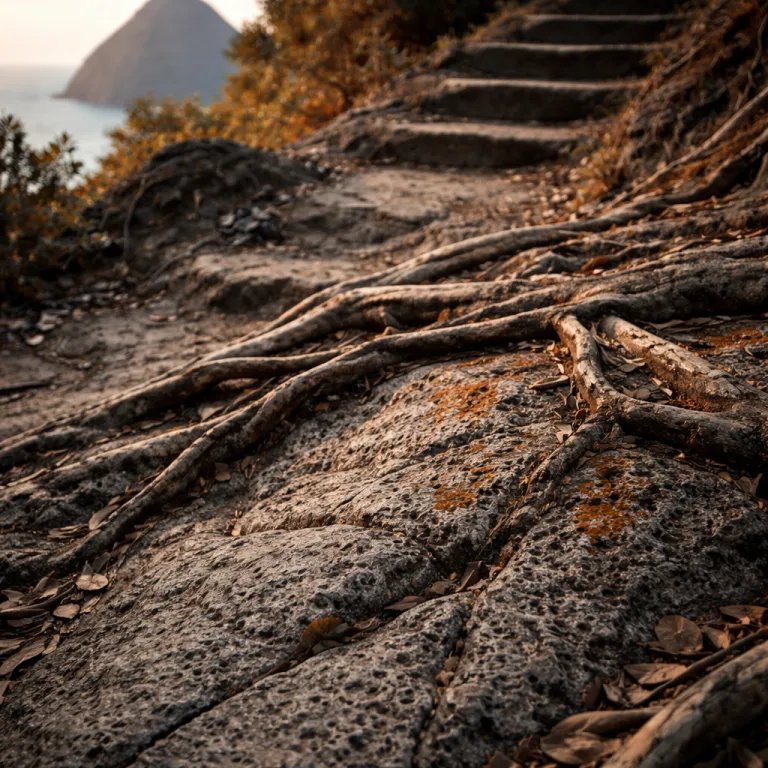
Why the Gros Piton trail in Saint Lucia is not just another resort activity
The Gros Piton trail in Saint Lucia looks deceptively gentle on glossy hotel brochures. In reality this famous Piton hike is a demanding mountain ascent that can shape how you plan your entire stay on the island. If you were hoping to hike Gros Piton as a casual morning stroll between spa appointments, you will need to rethink your schedule and energy budget.
Gros Piton rises to about 770 m (2,530 ft) above sea level, and the climb covers roughly 3.7 km with around 600 m of elevation gain on a steep, rocky path. The official Gros Piton Nature Trail briefing from the Fond Gens Libre Visitor Centre and information reproduced by the Saint Lucia National Trust note that this combination of distance and gradient makes the ascent feel more like a sustained stair session on uneven lava rock than a gentle coastal walk, especially once you pass the halfway point rest area. For many luxury travelers staying near Fond Gens Libre or in nearby Soufrière Quarter resorts, this is the one activity that leaves legs humming for the rest of the day.
The Gros Piton hike usually takes between three and five hours round trip, depending on fitness, trail conditions and how often you stop to enjoy the view. Official guidance from the Gros Piton trail office and Saint Lucia Tourism Authority states that the average duration is about four hours, and that aligns with what most trail guide teams report. The experience is framed as a tour, but it is first and foremost a real hike that requires preparation, plenty of water and respect for the mountain’s terrain and weather.
History under your boots: Fond Gens Libre and the cultural weight of the trail
The Gros Piton trail begins in Fond Gens Libre, a community whose name translates roughly as “valley of the free people”. This was once a refuge where enslaved people hid in the forested slopes of the Piton, using the dense vegetation and ravines as protection from colonial patrols. When you start the hike and pass the small visitor centre, you are walking into a landscape shaped by resistance and survival, not just tourism.
Local guides from Fond Gens Libre will often point out how the mountain served as a lookout over the Soufrière Quarter and the Caribbean Sea. From certain clearings on the Piton trail, you can imagine how maroons watched for ships and signals from other communities on the island. The fact that gens libre settlements endured here adds a layer of meaning to every steep climb and every shaded rest stop.
Several luxury properties in the area, including eco focused estates near Fond Doux and heritage hotels in Soufrière, now weave this history into their guest experiences. If you are planning cultural days around your hike, pair the ascent with a visit to cocoa estates or Creole kitchens highlighted in this cultural guide to Saint Lucia. The Gros Piton experience then becomes part of a wider narrative, linking the mountain, the island’s gens libre heritage and the modern luxury scene.
What the climb really feels like: difficulty, views and timing
The first quarter of the Gros Piton trail lulls many travelers into a false sense of security. You start on a relatively gentle path with handrails on some sections, and the view back to the coast is already beautiful. After the halfway point, however, the gradient increases sharply and the route turns into a rough staircase of boulders that demands both hands and feet.
Official information from Saint Lucian tourism and park authorities answers a common question clearly: “Is the Gros Piton hike suitable for beginners? Challenging; moderate fitness recommended.” The same source adds: “Are guides required for the Gros Piton hike? Yes, guides are mandatory.” and “What should I bring for the Gros Piton hike? Water, snacks, sturdy footwear.” These statements match what experienced hikers and luxury concierges will tell you when you are going over your plans.
On clear days, the top mountain viewpoint offers a sweeping view over the Caribbean Sea, the southern coast of Saint Lucia and, in the distance, Petit Piton rising like a sharper tooth. Cloud cover often rolls in by late morning, which is why a very early start time, typically between 7:00 and 8:00 a.m. at the trailhead, gives you the best chance of a great summit view. Even if the top is misted over, the changing light on the trail, the glimpses of the island’s bays and the sense of scale make climbing Gros Piton worthwhile.
Logistics the brochures gloss over: guides, fees and on-trail realities
Every ascent of Gros Piton is guided, and that is not a formality. A licensed trail guide from the local équipe meets you at the trailhead in Fond Gens Libre, handles registration and sets a pace that most visitors can sustain. They also know where the rocks are loose, how to judge the weather and when to suggest turning back if the mountain is not cooperating.
The trailhead sits at roughly 200 m (650 ft) above sea level, and there is an entrance fee payable at the small office near the start. As of early 2024, the Gros Piton Nature Trail fee published by the Saint Lucia Tourism Authority and confirmed at the Fond Gens Libre Visitor Centre is approximately US$50 per adult, usually collected in cash, so check the latest amount with your hotel concierge before going. Many luxury properties, from Soufrière eco lodges to larger resorts closer to Castries and Rodney Bay, will arrange a private tour that includes transfers, the guide and the entrance fee bundled into one rate. If you are staying near Fond Doux or at another estate in the Soufrière Quarter, staff often know specific guides by name and can match you with someone whose pace and style suit your hiking experience.
On the trail itself, the most common mistake is underestimating how much water you will need in the tropical heat. Plan for at least two litres per person for the full Gros Piton hike, and more if you tend to sweat heavily or take longer breaks. Snacks matter too: a simple combination of fruit, nuts and perhaps a small ice cream back at the base once you finish can help you recover without feeling weighed down during the climb.
Planning your luxury stay around Gros Piton and alternative trails
For many travelers, tackling Gros Piton sits at the centre of a wider itinerary that blends high end stays with authentic experiences. If you are staying in the north of the island, at a refined all inclusive such as the property reviewed in this in depth look at a Saint Lucia beach resort, factor in transfer time of around ninety minutes to two hours each way by private car, depending on traffic and road conditions. Guests based in Soufrière or near Fond Doux will have a much shorter drive, often twenty to thirty minutes, which makes an early start far easier.
If you love the idea of a Piton hike but are unsure about the full climb, consider alternatives that still frame the mountain beautifully. The Tet Paul Nature Trail offers a shorter, less demanding walk with a top viewpoint over both Gros Piton and Petit Piton, ideal for travelers who prefer a gentler tour. Several hotels also arrange scenic drives to Petit Piton viewpoints, where you can enjoy the mountain from curated lookouts without committing to the full ascent.
When you are going back to your hotel after the hike, plan for a quiet afternoon rather than another intense activity. A spa treatment, a long swim or simply sitting with a cold drink and perhaps a local ice cream will feel earned after the climb. Hiking Gros Piton is not just a tick box excursion; it is a physical and cultural experience that deserves space in your itinerary.
How Gros Piton shapes your understanding of Saint Lucia’s luxury
Spending time on the Gros Piton trail changes how you read the island’s luxury landscape. From the top, you see how resorts cling to ridgelines, how cocoa estates such as Fond Doux sit in the folds of the Soufrière Quarter and how the Pitons dominate every coastal curve. That aerial perspective makes it clear that the mountain, not imported marble, is the real star of high end stays here.
Many of the most sought after properties build their identity around that Piton view, whether from open air suites, infinity pools or private terraces. When you have completed a full ascent of Gros Piton, those vistas feel different, because you now understand the steep trail, the rocky sections and the effort behind the silhouette. Luxury then becomes less about passive scenery and more about a relationship with the island’s volcanic spine, from the climb itself to the sulphur springs and cocoa tours that often follow.
For solo explorers, this shift is powerful, because it anchors your trip in lived experience rather than curated spectacle. You will remember the moment at the halfway point when your guide pointed out where enslaved people hid centuries ago, just as clearly as you remember the sunset from your hotel bar. In that sense, the Gros Piton hike is one of the few activities that genuinely connects the island’s cultural landmarks, its dramatic mountain and its premium hospitality scene.
FAQ about hiking Gros Piton from a luxury base
How difficult is the Gros Piton hike for an average traveler?
The Gros Piton hike is challenging but manageable for travelers with moderate fitness who are comfortable on steep, uneven terrain. Expect a sustained climb on a rocky trail, especially after the halfway point, and plan for three to five hours round trip. If you rarely exercise or have knee issues, consider training with stair or hill walks before your trip.
What should I wear and bring for the Gros Piton trail?
Wear sturdy hiking shoes or trail trainers with good grip, not beach sandals or fashion sneakers. Bring at least two litres of water per person, light snacks, sun protection and a small daypack to keep your hands free on the steeper sections. A light, breathable outfit and a change of top for after the hike will keep you more comfortable when humidity rises.
Can I hike Gros Piton without a guide?
No, a licensed local guide is mandatory for all visitors on the Gros Piton trail. Guides manage registration, set a safe pace, monitor weather changes and share cultural context from Fond Gens Libre and the wider Soufrière Quarter. Your hotel concierge or tour desk can pre arrange a guide, or you can join one at the official trailhead office.
Is Gros Piton suitable for children or older travelers?
The trail can be suitable for active older children and fit older adults who are used to hiking and have no serious mobility issues. The steep, rocky upper sections and heat make it less appropriate for very young children or anyone with balance problems. For multi generational groups, pairing Tet Paul Nature Trail with viewpoints of Petit Piton is often a better choice.
What are good alternatives if Gros Piton feels too demanding?
If the full Gros Piton climb seems too intense, the Tet Paul Nature Trail offers excellent Piton views on a much shorter, easier route. Scenic drives to viewpoints facing Petit Piton, estate walks around Fond Doux and coastal walks near premium resorts also provide beautiful landscapes without the same physical effort. These options still let you frame your luxury stay around the Pitons while keeping the activity level comfortable.