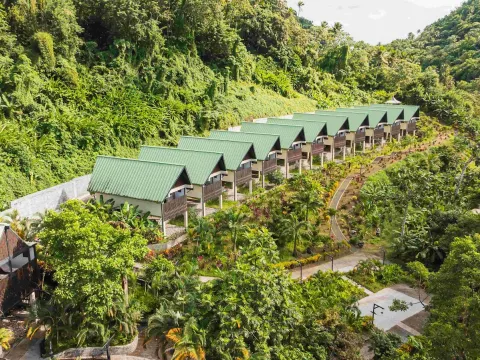
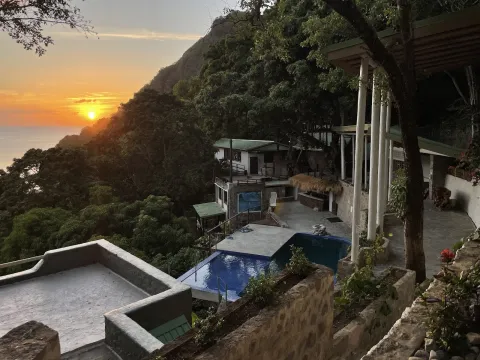
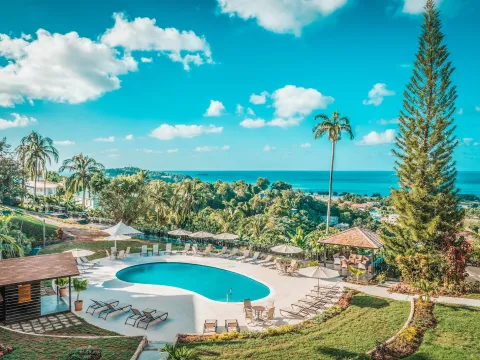
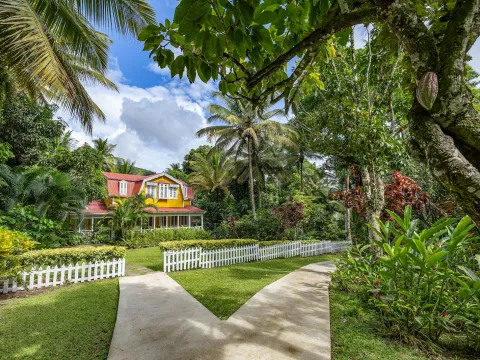
Planning a hotel stay in the Lesser Antilles? Discover how the islands differ, what to expect from resorts, pools and spas, and how to choose the right beach hotel for you.
Is a hotel in the Lesser Antilles right for you?
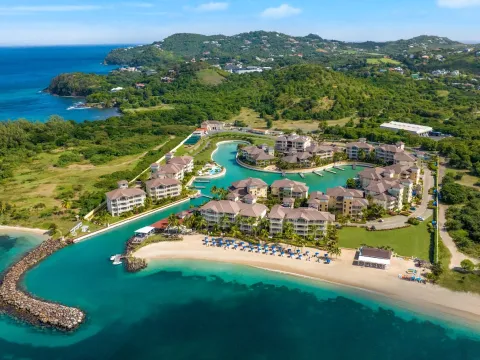
Warm trade winds at night, the sound of waves against a sheltered bay, and a short walk from your room to the sand – that is the baseline in the Lesser Antilles. The question is not whether you will find a good hotel, but which island and which style of resort actually fit the way you travel. With more than ten thousand hotels spread across these islands, choice is abundant, but quality and atmosphere vary sharply from one coast to the next.
Travelers who want a classic beach resort with a large swimming pool, organized activities and a full resort spa will feel at home on the more developed islands, including Curaçao and the larger French départements. Those who prefer quieter nights, smaller properties and more intimate rooms often gravitate to the greener, hillier islands where outdoor life is slower and the coastline less built up. The Lesser Antilles are not a single destination ; they are a chain of very different experiences.
Before you book any hotel in the Lesser Antilles, decide what you want to see when you open your room shutters in the morning. Direct beach access, a marina view, or a lush garden with birdsong all day long. Your answer will narrow the field far more efficiently than any star rating or generic review score.
How the islands differ: from Curaçao to the French “Sainte” coastlines
Dry, sunbaked Curaçao feels worlds apart from the rain-fed slopes of the French islands, even though both sit firmly within the Lesser Antilles. On Curaçao, many hotels cluster around sheltered coves west of Willemstad, where the water is clear, the beach is narrow, and outdoor swimming often means stepping straight from a sun lounger into deep turquoise. Here, resort layouts tend to be compact, with rooms stacked to maximize sea views and quick access to the swimming pool.
On the French islands, names like Sainte-Anne and Sainte-Luce mark long, walkable stretches of sand where low-rise hotels sit just a minute walk from the shoreline. You might find a beach hotel tucked behind a line of coconut palms, with free private parking under the trees and a small fitness center facing the garden instead of the sea. The atmosphere is less about spectacle, more about daily life by the water – morning joggers, families carrying coolers, the smell of grilled fish at dusk.
Choosing between these islands is a trade-off. Curaçao and similar destinations offer a denser concentration of beach resorts and structured activities, while the French “Sainte” towns lean toward a softer, village-like rhythm where your hotel is one element in a wider coastal scene. Decide whether you want the resort to be your world, or simply your base.
What to expect from hotels in the Lesser Antilles
Across the Lesser Antilles, hotel standards range from simple guest rooms above a village street to expansive resort spa complexes with multiple pools and extensive accommodations outdoor. Star hotel classifications exist, but they do not always tell you how the property feels in practice. A three-star hotel directly on a calm beach can be more rewarding than a higher-rated property set back from the sea beside a busy road.
Most established resorts offer at least one main swimming pool, often complemented by a smaller outdoor swimming area for children or a quieter adults-only section. You will frequently find spa cabins or full wellness centers, sometimes with open-air treatment rooms that catch the breeze. Fitness centers vary widely ; some are little more than a treadmill and a set of weights, others are fully equipped spaces with large windows facing the bay.
Room categories deserve close attention. Entry-level rooms may face the garden or car park, while higher categories offer partial or full sea views, larger terraces, or direct access to the pool deck. When you compare options, look beyond the headline price per night and check the exact room type, its position within the hotel, and whether it matches how you actually spend time in your room.
Location, access and the reality of “steps from the beach”
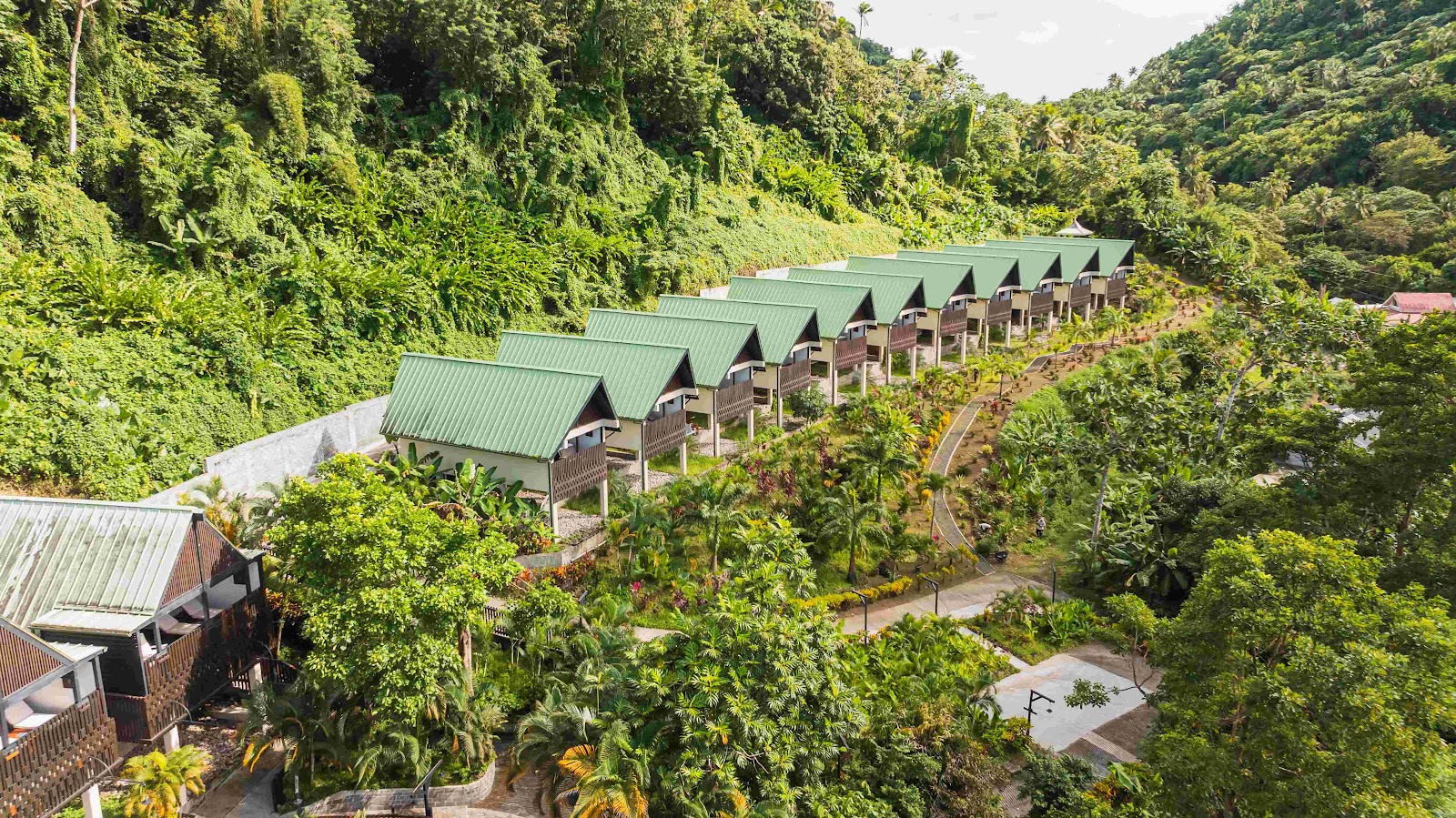
On a map, many hotels appear close to the sea. In reality, the experience of reaching the beach can differ dramatically from one property to another. A hotel described as being a few minutes’ walk from the sand might involve a steep path, a road crossing, or a public access route that feels busy at certain hours. On the other hand, some beach hotels sit directly on the shoreline, with nothing between your terrace and the sand but a line of low shrubs.
In the Lesser Antilles, bays and headlands shape daily life. A resort set inside a protected bay often enjoys calmer water for swimming and paddleboarding, while properties on more exposed coasts can face stronger swell and wind, better suited to experienced swimmers and water sports. If you plan to spend long days in the sea, prioritize hotels with easy, direct access to a beach that matches your comfort level in the water.
Practicalities matter as well. Free private parking is common outside the densest urban areas and is worth checking if you intend to rent a car to explore beyond your hotel. On islands with compact town centers, such as the historic quarters around certain harbors, staying within walking distance of restaurants and small shops can be more valuable than an extra on-site pool. Use a detailed Lucia map or local island map to understand not just distance, but elevation and road layout.
Facilities that make a difference: pools, spas and outdoor life
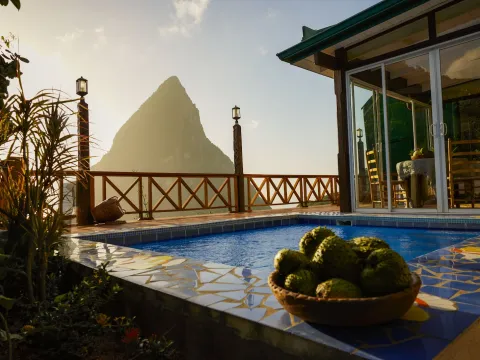
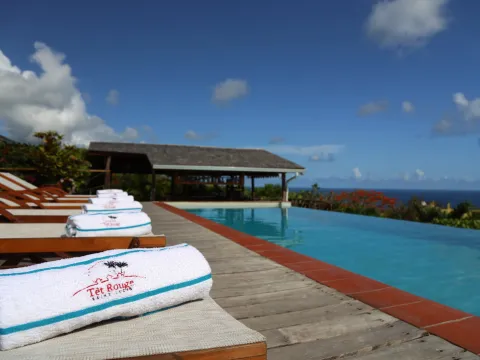
In this region, the swimming pool is not just a decorative feature. It is often the social heart of the hotel, especially in resorts where the sea can be rough or the beach narrow at high tide. Look for properties that offer both a main pool and quieter corners – perhaps a smaller lap pool free from music, or shaded areas where you can read in peace while other guests enjoy more animated spaces.
Resort spa facilities vary from simple massage rooms to full wellness pavilions with hydrotherapy, saunas and dedicated relaxation decks. If spa time is central to your trip, choose a resort where the spa is integrated into the landscape, with outdoor treatment areas or views over the bay, rather than a windowless basement space. The difference in atmosphere is considerable, especially after sunset when the air cools and the sound of the sea carries.
Outdoor life extends beyond the pool. Some hotels in the Lesser Antilles organize guided walks, snorkeling outings or early-morning swims directly from their beach. Others focus on quiet gardens, with hammocks under almond trees and small paths leading to hidden seating areas. Decide whether you want structured activities or the freedom to create your own rhythm, and choose facilities that support that preference rather than distract from it.
How to compare hotels lesser known to you before booking
With thousands of hotels across the Lesser Antilles, narrowing down options requires a method. Start with three filters : island, setting, and scale. Island defines the broader culture and landscape. Setting determines whether you wake up by a beach, a marina, or a hillside. Scale decides how many other guests you will share the swimming pool, restaurant and outdoor spaces with on any given night.
Once those basics are clear, examine the details that will shape your stay. Check whether the hotel offers private parking if you plan to explore by car, and whether the fitness center and spa match your expectations or are simply nominal facilities. Look closely at room descriptions – not just “sea view” or “garden view”, but the actual size, layout and whether the room has a terrace or balcony where you can comfortably sit.
Finally, read beyond any summary review or star rating. Pay attention to recurring comments about noise at night, beach access, the feel of the public areas and how crowded the pool becomes at peak times. A smaller hotel with fewer rooms can offer a calmer experience even without every possible facility, while a larger beach resort may suit travelers who enjoy a livelier atmosphere and a wide range of on-site services.
Who a Lesser Antilles hotel stay suits best
Travelers who dream of waking up steps from the sea, spending long days between the beach and the swimming pool, and returning to a comfortable room each night will find the Lesser Antilles an excellent choice. The region particularly suits couples and friends who value a balance between outdoor life and the comforts of a well-run resort, rather than urban nightlife or dense city sightseeing. Families also do well here, provided they choose hotels with child-friendly pools and easy, shallow beach access.
Those who prefer quiet evenings, stargazing from a terrace and early-morning swims will appreciate smaller properties on calmer bays, where the number of guests is limited and the atmosphere remains low-key. Travelers who enjoy a more structured day – fitness center sessions, spa appointments, organized excursions – may lean toward larger resorts where everything happens on site and the schedule is clearly laid out.
If your ideal trip involves museums, extensive shopping and late-night bars, the Lesser Antilles may feel too gentle unless you base yourself near the livelier waterfront districts of the larger islands. But if you are seeking a hotel stay where the main decisions revolve around which beach to swim from, which pool lounger to claim, and whether to book a late-afternoon spa treatment, this island chain delivers exactly that kind of measured, sea-focused rhythm.
Is the Lesser Antilles a good choice for a first Caribbean hotel stay?
For a first Caribbean trip, the Lesser Antilles offer a clear structure : plenty of beach hotels, a wide range of resorts with pools and spas, and relatively compact islands that are easy to understand on a map. You can choose between livelier areas with popular beach resort strips and quieter bays with only a handful of hotels. This makes it straightforward to match your comfort level, whether you want a classic resort experience or a more discreet coastal stay.
What should I check before booking a hotel in the Lesser Antilles?
Before booking, verify three essentials : exact location, room type, and key facilities. Confirm how far the hotel really is from the beach or bay, whether the walk is flat or involves hills, and if there is private parking if you plan to rent a car. Check that the room category you select matches your expectations for view, size and outdoor space. Finally, make sure the swimming pool, spa and fitness center – if important to you – are described in enough detail to understand their scale and atmosphere.
Are there many luxury and premium hotels in the Lesser Antilles?
The Lesser Antilles host a substantial number of higher-end properties, including more than a hundred hotels in the top star categories. These range from large, amenity-rich resorts with extensive pools and resort spa facilities to smaller, more intimate coastal hotels with refined rooms and attentive service. Choice is broad enough that you can prioritize either full-scale resort infrastructure or a quieter, design-led environment with fewer guests.
Is Curaçao very different from the French “Sainte” coastal towns?
Curaçao and the French “Sainte” areas such as Sainte-Anne and Sainte-Luce offer distinct experiences. Curaçao tends to concentrate hotels around compact coves and developed beach resort zones, with a dry, sunny climate and a strong focus on structured water activities. The French coastal towns feel more like lived-in seaside communities, where low-rise hotels sit close to long public beaches and daily life mixes locals and visitors. Your choice depends on whether you prefer a self-contained resort environment or a softer, village-style setting.
Who will enjoy a Lesser Antilles hotel stay the most?
Guests who value sea views, outdoor swimming, and a slower daily rhythm will enjoy these islands the most. Couples seeking calm, families wanting safe beaches and pools, and travelers who like to alternate between spa time, gentle fitness and unhurried meals are particularly well served. Those looking for intense nightlife or big-city energy may find the region too relaxed unless they focus on the livelier waterfront districts of the larger islands.