Learn how to choose the best Caribbean island hotel for your stay, from beach resorts to hillside hideaways, with tips on seasons, access, amenities and island style.
How to choose the best Caribbean island hotel for your stay
Choosing the right Caribbean island for your stay
Start with the map, not the minibar. A hotel stay in the Caribbean islands feels very different on a volcanic, jungle-clad island than on a flat coral atoll with endless beach. Saint Lucia, with its high Piton peaks and rainforest, suits travelers who want drama, hiking and hot springs, while the Bahamas or Aruba lean towards long, pale sandbars and easy-breeze days built around the sea. The question is not which destination is best, but which rhythm matches the way you actually travel.
On larger islands, such as those with busy cruise ports or a capital city, resorts tend to cluster around popular bays and marinas. You will find Caribbean hotels lining long arcs of beach, sometimes only a few minutes’ drive from a working fishing village or a local rum bar. Smaller islands, including some in the Grenadines or near Curaçao, may have only one or two hotels, which creates a more contained, almost private-island atmosphere. That can be magical, but it also means fewer independent restaurants and less nightlife.
Weather shapes everything. The classic dry season runs roughly from December to April across most islands, when skies are clearer and sea conditions calmer, according to regional climate summaries from the Caribbean Institute for Meteorology and Hydrology and national meteorological services. Outside these months, showers are more frequent, but the landscape turns a deeper green and the atmosphere feels softer, more intimate. For a hotel Caribbean islands stay focused on spa time, reading and long lunches, the shoulder months can be quietly rewarding, especially if you value space over buzz.
- Quick check: confirm average rainfall and sea temperature for your chosen island before you book, using official tourism board or meteorological office data.
- Budget tip: nightly rates can drop noticeably outside the December–April peak, especially on larger resort islands.
What a Caribbean hotel stay really feels like
Think less about room categories and more about how your day will unfold. On a beach-focused island such as Long Island in the Bahamas or parts of Aruba, life orbits the shoreline: early swims, long walks on near-empty sand, a drink in hand as the light drops. In contrast, a stay on a mountainous island often means waking to birdsong, watching clouds snag on high ridges, then heading out to discover waterfalls, cocoa estates or small coastal villages. The same word “resorts” hides very different daily routines.
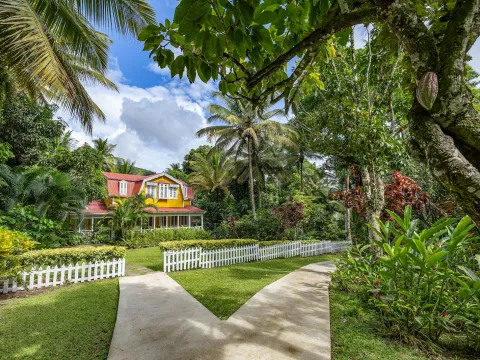
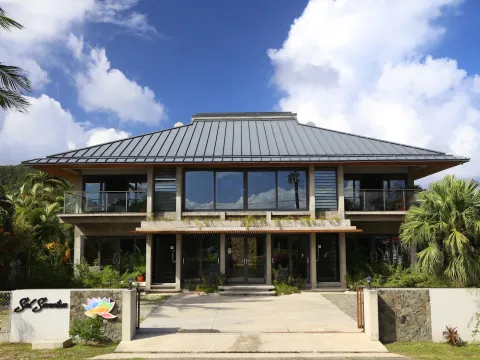
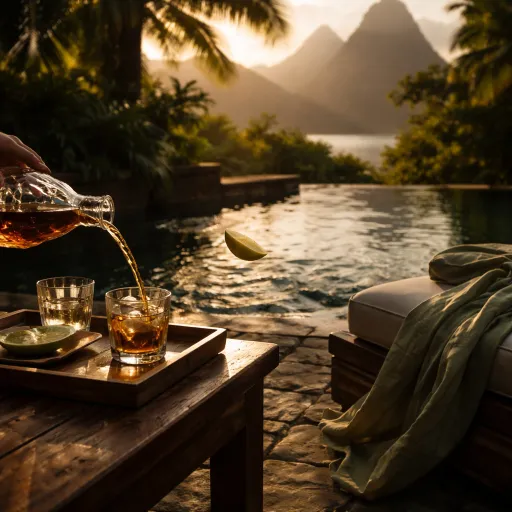
Inside the hotels, the mood ranges from polished and international to deeply local. Some Caribbean hotels lean into global luxury codes — marble, neutral palettes, expansive pools — while others weave in local content through materials, artwork and food. You might find handwoven baskets in the rooms, rum from a nearby distillery on the bar cart, or a chef who builds the menu around what came off the boats that morning. The more an island has a strong cultural identity, the more you tend to feel that in the property’s atmosphere.
Spa experiences also shift with geography. On certain islands, treatments are built around sea salt, coral-safe products and open-air pavilions just above the beach. Elsewhere, especially on lush volcanic islands, spa menus draw on cacao, volcanic mud or local botanicals, with treatment rooms tucked into the hillside. If wellness is central to your trip, look for hotels that describe not only their spa facilities but also how they connect to the landscape — sunrise yoga decks, forest trails, or thermal springs rather than just a list of massages.
- Room types to compare: beachfront suites, ocean-view rooms, and hillside villas often feel very different day to day.
- Packing note: bring reef-safe sunscreen, light layers for breezy evenings, and sandals that work on both sand and cobblestones.
Beach, bay or hillside: where to stay on the island
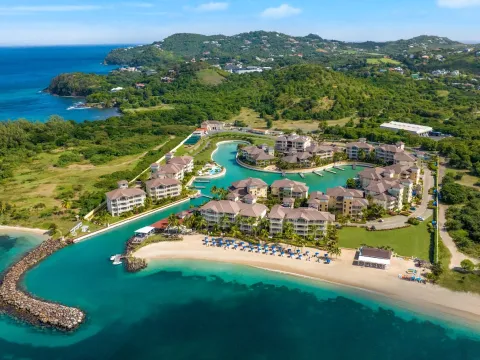
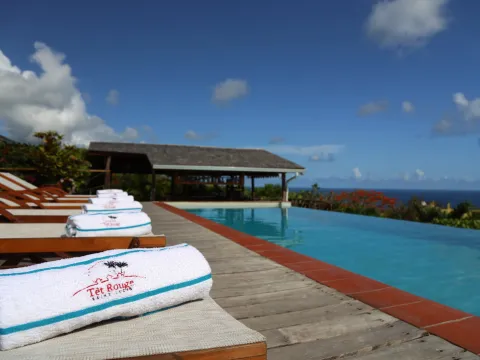
Standing on a long, straight beach feels very different from waking up on a small, sheltered bay. Beachfront hotels on islands like the Bahamas or Aruba usually offer direct access to wide sand, easy swimming and a social scene that builds around the shoreline. Expect more movement: paddleboards, sailing, people walking past your lounger. If your ideal hotel Caribbean islands stay is about doing laps in turquoise water and never putting on shoes, this is where you should look first.
Bays and coves, often found on more rugged islands or along indented coastlines near places like Curaçao, create a quieter, more enclosed feeling. Resorts here may sit on a curve of sand framed by rocks, with the sea changing colour through the day. You gain intimacy and often better snorkeling, but you lose the drama of a long horizon and the option of long-distance beach walks. It is a trade-off between seclusion and scale.
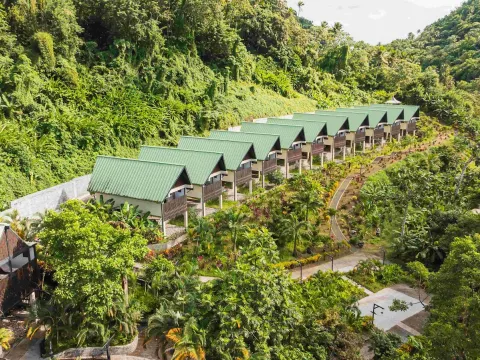
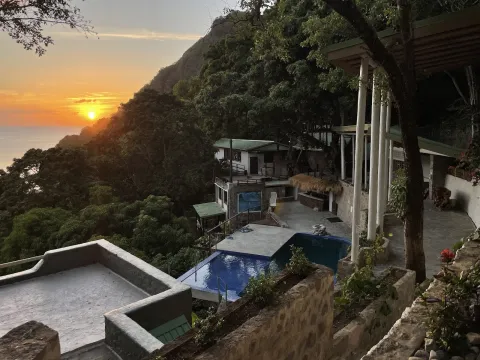
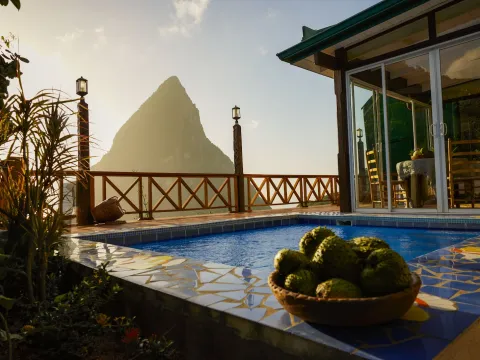
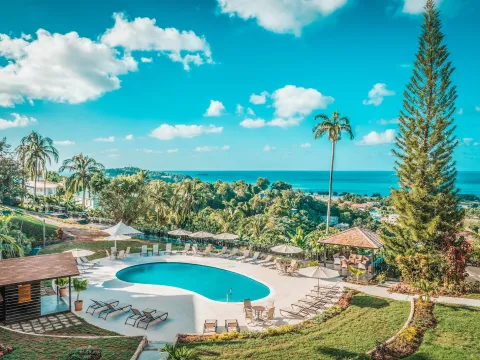
Hillside or clifftop hotels, common on high islands, offer the most cinematic views and the strongest sense of privacy. Rooms may step down the slope in terraces, each with its own plunge pool or balcony angled towards the sea. You feel the wind more, you watch weather roll in, and you are slightly removed from the beach itself. For some travelers, that separation — a short shuttle or a steep path down — is a small price to pay for the panorama. For others, especially families with young children, being right on the sand is non-negotiable.
- Family access tip: if you have strollers or mobility concerns, check whether there are lifts, ramps or frequent beach shuttles.
- Noise check: bays near marinas can be livelier at night than remote headlands or smaller coves.
How to compare Caribbean hotels before you book
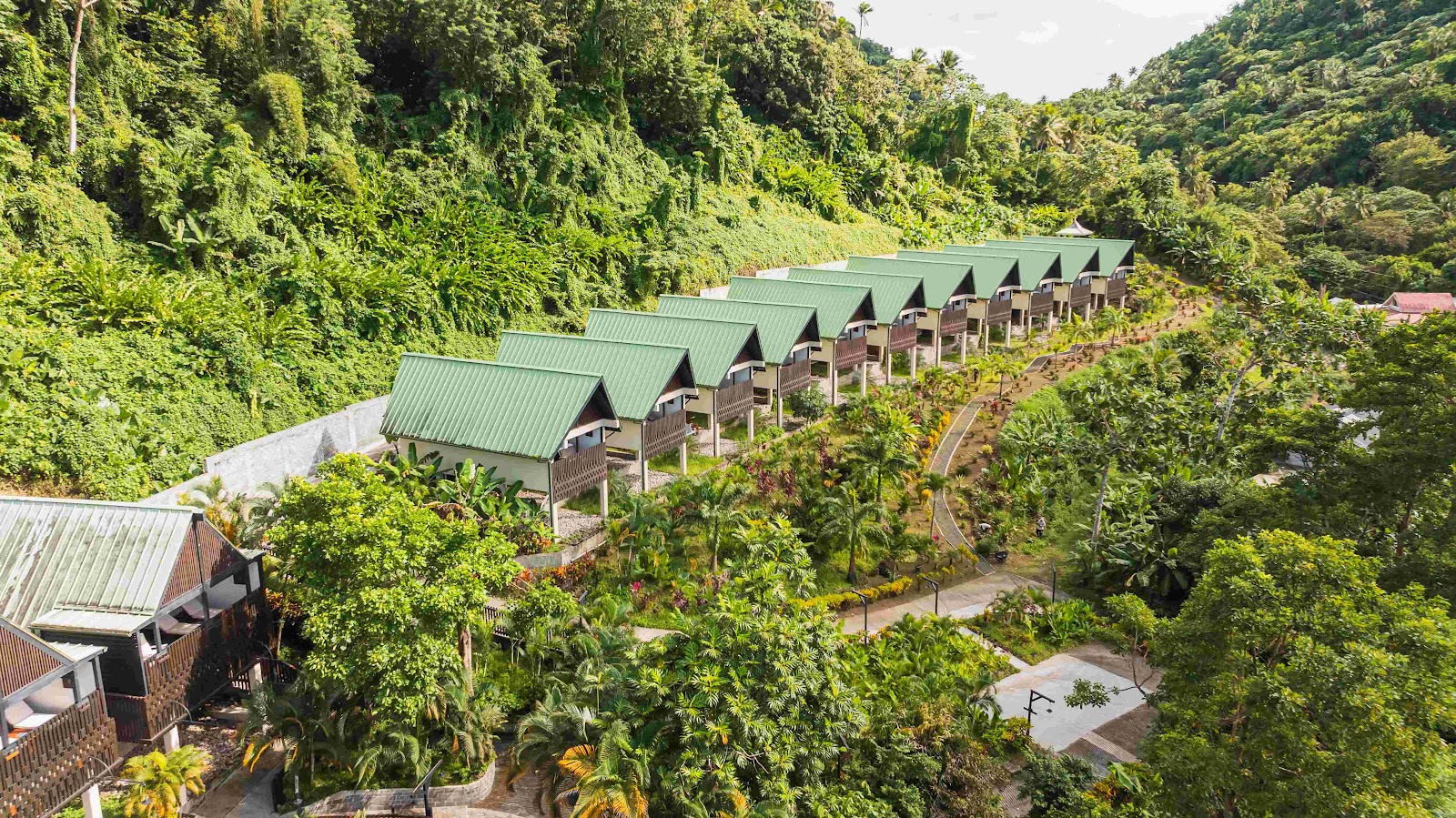
Ignore the slogans and look at the layout. A good way to compare hotels across different islands is to study how the property is organised: number of rooms, distance from the beach, and how public spaces are arranged. A large resort on a popular stretch of coast near a cruise port will feel very different from a low-rise hideaway on a quieter island, even if both describe themselves as luxury. Check whether rooms are concentrated in one main building or spread out in villas; this affects both privacy and how much walking you will do each day.
Next, examine how the hotel relates to its local surroundings. Some properties operate almost as self-contained worlds, with multiple restaurants, bars and activities designed to keep you on site from morning to night. Others encourage you to discover the island, offering guided visits to markets, rum tastings in small distilleries, or boat trips that circle the coastline in a slow round of hidden coves. If you care about a sense of place, prioritise hotels that talk about local partnerships, island culture and off-property experiences.
Amenities deserve the same scrutiny. Instead of counting pools, look at their character: is there a quiet adults-only area, a family-friendly zone, or a lap pool for serious swimmers. For spa facilities, read beyond the word “spa” and check whether there are dedicated treatment rooms, a hammam, or open-air cabanas. On beach-focused islands, water sports can range from simple kayaks to full sailing centres. On high islands, hiking trails, nature guides and access to viewpoints may matter more than an extra restaurant.
- Typical transfer times: from major Caribbean airports, resort drives often range from 20 to 60 minutes, with remote hideaways taking longer.
- Price bands: mid-range beachfront hotels can start around the low hundreds per night, while luxury suites on smaller islands often run several times higher in peak season.
Who each type of island stay suits best
Couples who dream of long, uninterrupted days on the sand tend to gravitate towards flatter islands with extensive beaches, such as parts of the Bahamas or Aruba. Here, the best stays often revolve around adults-oriented resorts with calm bays, sunset-facing rooms and a strong focus on dining. The atmosphere is usually relaxed rather than formal, with days slipping easily from beach to bar to dinner. If your priority is to do very little, very well, this is a natural fit.
Travellers who get restless after an hour on a lounger should look to high, volcanic islands with more varied terrain. These destinations lend themselves to hotel stays that mix spa time with excursions: hiking to viewpoints, visiting plantations, or exploring small coastal towns. Families often appreciate this variety, as it gives structure to the day beyond the pool. When comparing Caribbean hotels for a multi-generational trip, consider how easily you can move between the resort and nearby sights without long transfers.
For those who value culture and local life as much as scenery, islands with established towns and working harbours can be rewarding. Staying near a marina or in a district a short walk from a main square lets you step out for local food, music and everyday scenes that resort enclaves rarely show. In some destinations, a hotel a few streets back from the beach — perhaps on a road like Bay Street or close to a small market — can offer a richer sense of place, even if it means a slightly longer walk to the sea.
Practical tips to make your Caribbean island hotel stay work
Think in seasons, not just dates. The December to April dry period is popular for good reason: more stable weather, lower humidity, and generally calmer seas across most islands. That said, shoulder months can be appealing if you prefer quieter resorts and a softer light. When planning, remember that some islands host major festivals or regattas that change the mood entirely, filling usually tranquil bays with yachts and music. Decide whether you want to be in the middle of that energy or far from it.
Access matters more than many travellers admit. On some islands, the transfer from the main airport to your hotel is a quick drive along the coast; on others, reaching a remote resort may involve a small plane, a boat crossing or a long road journey. If you are combining destinations — for example, pairing a stay on a larger island with a few days on a quieter outpost reminiscent of Long Island in the Bahamas — build in buffer time for connections. A smooth arrival and departure can shape your overall impression as much as the room itself.
Finally, match the hotel’s energy to your own. A large resort with multiple pools, an active programme of daily activities and a lively beach bar suits travellers who enjoy a social atmosphere and a sense of occasion. A smaller property with fewer rooms, a compact spa and a single restaurant will feel more like a retreat. Neither is objectively better. The best hotel Caribbean islands stay is the one where the island’s character, the hotel’s design and your own pace of travel align, so that the days fall into place almost without planning.
- Booking lead time: for peak dates, aim to reserve your preferred Caribbean hotel three to six months ahead, longer for small islands.
- Before you confirm: read recent guest reviews that mention transfer times, beach conditions and noise levels, not just star ratings.
FAQ
What is the best time of year for a Caribbean island hotel stay?
The most reliable period for a Caribbean island hotel stay is generally from December to April, when the climate is drier and the sea conditions are usually calmer. These months suit travellers who prioritise clear skies, outdoor activities and long days on the beach. Outside this window, showers are more frequent, but the landscapes are greener and resorts often feel quieter, which can appeal to guests seeking a more tranquil atmosphere.
Are all-inclusive resorts common across Caribbean islands?
All-inclusive resorts are widely available on many Caribbean islands, particularly in destinations with long stretches of beach and larger hotel zones. They work well for travellers who prefer a contained experience, with meals, drinks and many activities included in a single package. However, on smaller or more rugged islands, you may find fewer all-inclusive options and more properties that encourage guests to explore local restaurants and independent experiences.
Do Caribbean hotels usually offer family-friendly facilities?
Many Caribbean hotels are designed with families in mind and provide family-friendly facilities such as children’s pools, flexible room configurations and organised activities. Larger resorts on popular islands often have kids’ clubs and varied dining options, which help when travelling with different ages. If you are planning a multi-generational trip, it is worth checking how easily the property allows both quiet time for adults and engaging spaces for younger guests.
How far in advance should I book a Caribbean island hotel?
For peak season stays between December and April, booking several months in advance is advisable, especially on smaller islands where the number of rooms is limited. Early planning gives you a better choice of room types and locations within the property, whether you prefer direct beach access or a higher hillside view. During shoulder seasons, you may find more flexibility, but it is still sensible to secure your preferred hotel once your travel dates are fixed.
What should I check before choosing between different Caribbean islands?
Before choosing between Caribbean islands, compare the landscape, access, and style of hotels each destination offers. Flat islands with long beaches tend to favour classic resort stays built around the sea, while high, volcanic islands offer more hiking, viewpoints and nature-based experiences. Consider transfer times from the airport, the presence of local towns or marinas if you enjoy going out in the evening, and whether you prefer a lively, popular beach scene or a quieter, more secluded setting.