Planning where to stay in Soufriere, Saint Lucia? Discover how the main hotel areas differ, what luxury resorts actually offer, typical transfer times and rates, and how to choose the best Soufrière base for your trip.
Top Hotels in Soufriere, Saint Lucia: how to choose your base
Planning where to stay in Soufrière? This guide explains the main hotel areas, what different properties actually feel like on the ground, and how to match them to your style of trip.
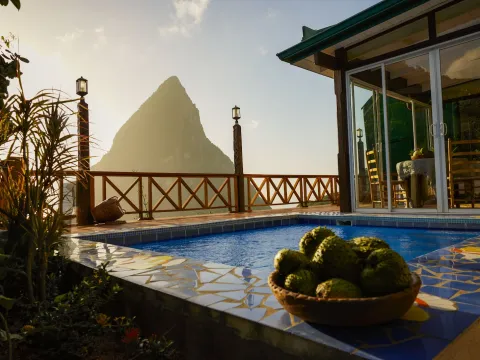
Steam rises from the earth just inland from Soufriere, while the twin Pitons drop almost vertically into the sea. This is the backdrop for every serious hotel decision here. If you are weighing whether to base your Saint Lucia trip in this corner of the island, start with one fact: Soufriere offers the most dramatic scenery in the Saint Lucia Caribbean, bar none, and many of the top hotels in Soufriere, Saint Lucia are built to showcase that view.
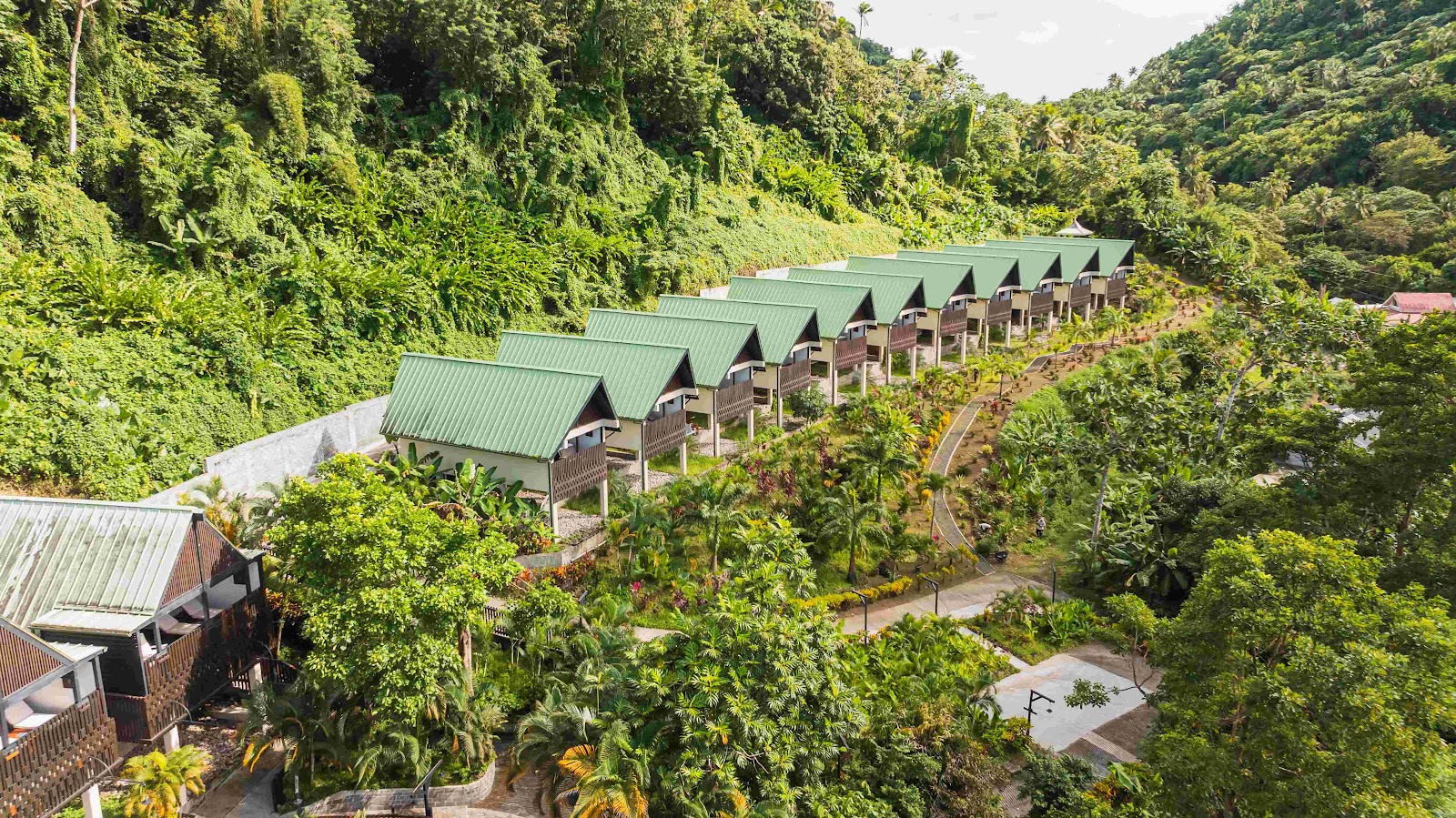
Expect a landscape of steep mountain slopes, dense rainforest and small coves rather than one endless, flat beach resort strip. Hotels in Soufriere Saint Lucia cling to hillsides, sit on former sugar estate land, or hide in valleys where you wake to birdsong instead of traffic. The town itself, on the bay just off Bridge Street, feels lived-in and local, not curated only for cruise passengers.
That intensity comes with trade-offs. Distances are short in kilometres but long in driving time on winding coastal roads, and many luxury hotel resorts are deliberately secluded. A private transfer from Hewanorra International Airport to most Soufriere hotels takes around 45–60 minutes by road and typically costs from about US$70–120 per vehicle one way, while the drive north to Rodney Bay usually takes 75–90 minutes. If you want nightlife, shopping malls and a choice of ten different bars within a five minute walk, this is not your place. If you want a hotel where the view does most of the talking, Soufriere is exactly the right decision.
Understanding Soufrière’s hotel landscape
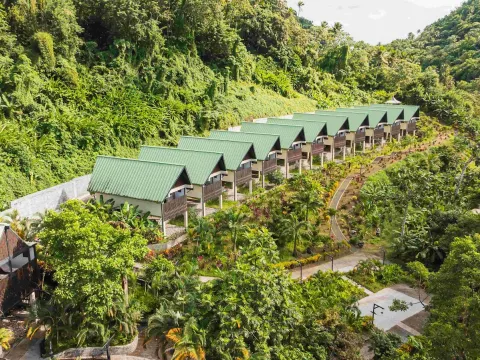
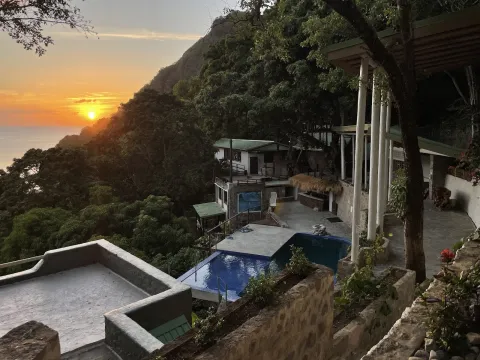
Volcanic topography dictates the design of almost every hotel here. Properties rarely spread out horizontally; they stack vertically, with rooms stepping down a cliff or up a ridge to maximise the view of the Pitons or the open Caribbean. When you check into a resort in Lucia Soufriere, you are often checking into a series of terraces rather than a single block.
Three broad settings dominate. Hillside retreats look straight across to the mountains, beach hotels sit in small coves south of Soufriere town, and estate-style properties occupy old cocoa or sugar plantations inland. Each setting shapes your stay more than the brand name on the sign ever will. A hillside design hotel will feel contemplative and almost theatrical, while a beach resort will be about sand underfoot and the sound of waves at night.
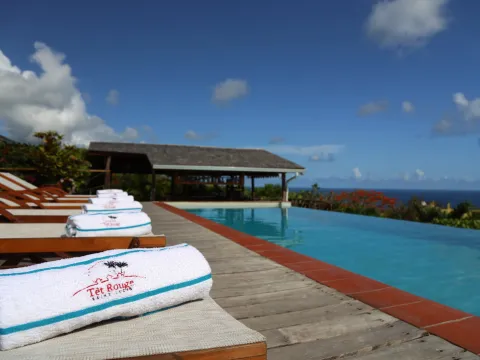
Most luxury hotels here lean into open-air architecture, natural stone and dark tropical wood rather than glossy urban finishes. You will see infinity pools, outdoor showers, and rooms that frame the Pitons like a piece of jade or basalt sculpture. Standout examples include Jade Mountain (ultra-luxury, $$$$) with its open-walled sanctuaries, Anse Chastanet (romantic, eco-minded, $$$) on a forested bay, Sugar Beach, A Viceroy Resort (family-friendly luxury, $$$$) set between the Pitons, Ladera Resort (adults-only, open-air suites, $$$$) on a ridge, Stonefield Villa Resort (villa-style, good for groups, $$$) and Rabot Hotel from Hotel Chocolat (cocoa estate chic, $$$). Typical nightly rates at these flagship properties often range from around US$450–700 in quieter periods to well over US$1,200 in peak season, depending on room category and inclusions. If you prefer enclosed, fully air conditioned spaces with long internal corridors, Soufriere’s aesthetic may feel too exposed. For travellers who want to feel the climate rather than shut it out, it is close to ideal.
Beach, mountain or estate: choosing your setting
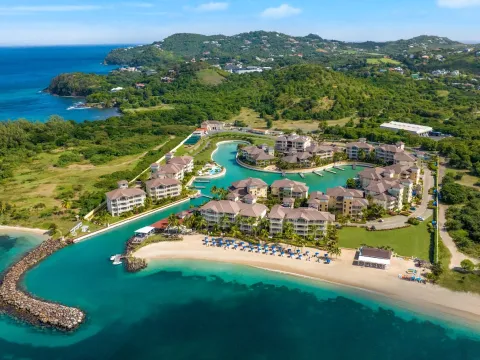
Black volcanic sand at the town beach, pale imported sand at certain coves, and pebbly little inlets along the coast; the shoreline around Soufriere is varied and surprisingly intimate. Staying directly on the beach suits travellers who prioritise swimming, paddleboarding and easy boat access. From these hotels, you can often step from your room to the water in under a minute, and boat excursions along the Saint Lucia coast become effortless.
Mountain-facing properties, perched above the bay or on ridges inland, trade instant beach access for cinematic views. Here, sunrise paints the Pitons in soft pink, and afternoon storms roll in over the rainforest like theatre. If your idea of the perfect hotel Soufriere Saint Lucia stay involves lingering on a terrace with a book and watching light move across the mountains, this is your category.
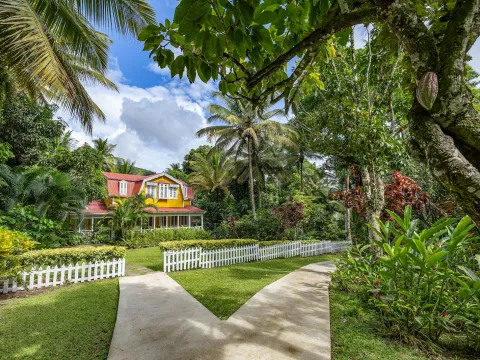
Estate-style hotels, sometimes on former sugar or cocoa land, sit a little back from the sea. They often feel cooler, greener, more agricultural. You might walk through cacao trees on your way to breakfast or learn about the island’s plantation history between spa treatments. These properties suit travellers who care as much about the story of a place as the beach offers on the brochure. When comparing locations, use a detailed map view to see how far your chosen hotel sits from Soufriere town, the Pitons, the Sulphur Springs Park and the main coastal road.
What to expect from luxury hotels in Soufrière
Service in Soufriere’s upper tier is attentive but rarely stiff. Staff know the road to the Sulphur Springs by heart, can tell you when the light is best at the Tet Paul Nature Trail, and will usually remember your coffee order by the second morning. The atmosphere is more Caribbean home than international chain lobby, even in the most polished resort.
Facilities tend to focus on wellness and nature rather than spectacle. Expect spa pavilions open to the breeze, treatment rooms using local ingredients like cocoa, sugar and volcanic mud, and yoga decks facing the Pitons. Pools are often multi-level, with at least one quiet adults’ area. You will not find water parks; you will find plunge pools, stone paths and dense planting. Many of the best hotels also offer private butler service, complimentary boat shuttles to nearby beaches, and guided snorkelling at marine reserves such as Anse Chastanet and Sugar Beach.
Dining leans heavily on local fish, tropical fruit and produce from nearby farms or on-site gardens. Menus might reference the history of sugar estates or play with Caribbean flavours in a refined way rather than offering endless international buffets. If you are looking for a hotel that feels rooted in Saint Lucia rather than interchangeable with any other island, Soufriere’s luxury hotels deliver that sense of place with conviction. For more ideas on what to do beyond the resort, see our related guides to the Pitons, Soufriere town and the wider west coast of Saint Lucia.
Matching Soufrière stays to different traveller profiles
Couples often choose Soufriere for its sense of seclusion. A hillside suite with a private plunge pool and an uninterrupted view of the Pitons is hard to beat for a honeymoon or anniversary. The quiet after dark, broken mainly by tree frogs and distant surf, suits travellers who value privacy over buzz.
Families need to be more selective. Some properties welcome children and offer family friendly room layouts, shallow pool areas and flexible dining, while others are clearly designed for adults. If you are travelling with younger guests, check access routes carefully; steep steps and long climbs back from the beach can be tiring for small legs.
Travellers who prioritise activity over relaxation will find plenty to do within a short drive of most hotels. Hiking trails, boat trips, snorkelling sites and visits to working estates are all within reach of Soufriere town. For them, a hotel becomes a base camp with a spa and a good restaurant attached, rather than the main event. If you are planning a multi-stop itinerary around Saint Lucia, consider combining a few nights in Soufriere with time in the north of the island for a contrast in atmosphere.
Practical considerations before you book
Location on the map matters more here than in flatter destinations. A hotel just north of Soufriere on the coastal road towards Canaries will feel very different from one tucked inland near the road to the Sulphur Springs Park. Check driving times from Hewanorra International Airport and from the Rodney Bay area if you plan to explore the rest of Saint Lucia.
Access to the sea is another key detail. Some hillside properties offer complimentary boat shuttles to nearby beaches, while others rely on road transfers down steep lanes. If daily swimming is non-negotiable, confirm how you reach the water and how long it takes in real terms, not just in theory.
Finally, consider the overall layout. In Soufriere, many luxury hotels are built on slopes, with rooms connected by stairs and stone paths rather than lifts. Travellers with limited mobility, or those who simply prefer flatter ground, should prioritise estate-style properties on gentler terrain or hotels closer to sea level. A beautiful view is only an asset if you can reach it comfortably. When you are ready to choose, shortlist two or three properties that match your budget and setting, then contact the hotels directly for current offers, accessibility details and the most accurate room descriptions.
Is Soufrière a good place to stay in Saint Lucia?
Soufriere is the best place to stay in Saint Lucia if you want volcanic scenery, close access to the Pitons and a strong sense of local character. The area suits travellers who prioritise views, nature and quiet over nightlife and shopping. If you are looking for a resort strip with many bars and restaurants in walking distance, you may be happier in the north of the island. For a hotel stay where the landscape is the main luxury, Soufriere is the clear choice.
FAQ
What types of hotels are available in Soufrière?
Soufriere offers a mix of hillside luxury resorts with Piton views, beach hotels in small coves, and estate-style properties on former plantation land. Most focus on nature, wellness and a strong sense of place rather than large-scale entertainment. You will find both intimate, design-led hotels and larger resorts with multiple pools and restaurants.
Are there all-inclusive options in Soufrière?
Several hotels in the Soufriere area offer all-inclusive or semi-inclusive plans that cover meals and selected drinks. These arrangements are usually structured around à la carte dining rather than buffets, reflecting the smaller scale of many properties. If this matters to you, confirm the exact inclusions when comparing resorts.
What amenities can I typically expect at a Soufrière hotel?
Most established hotels in Soufriere provide pools, spa or wellness facilities, at least one restaurant and bar, and access to guided activities such as boat trips or hikes. Beachfront properties usually include loungers and non-motorised water sports, while hillside and estate hotels may offer nature trails or garden tours. The emphasis is on relaxation and outdoor living rather than nightlife.
Is Soufrière suitable for families?
Soufriere can work very well for families who enjoy nature, swimming and quieter evenings, but not every hotel is family friendly. Some properties welcome children with suitable room configurations and pools, while others focus on adults seeking privacy. When travelling with children, pay attention to access routes, the number of steps, and how easy it is to reach the beach or main facilities.
When is the best time to book a hotel in Soufrière?
Hotels in Soufriere operate year-round, with check-in typically in the mid-afternoon and check-out around midday. Because the area is popular and has a limited number of rooms compared with larger resort zones, it is wise to book in advance, especially for stays during the drier months and holiday periods. Checking weather forecasts and aligning your trip with your tolerance for heat and humidity will help you choose the right dates.