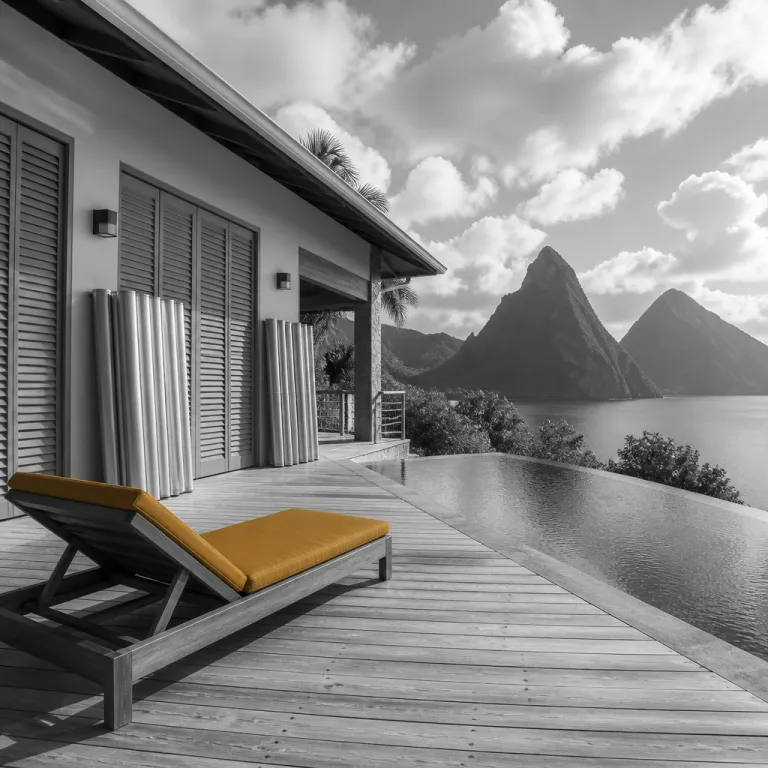
Understanding when hurricane season in St Lucia matters for luxury travel
When you ask when is hurricane season in St Lucia, you are really asking how the island’s climate will shape your luxury stay. The official Atlantic hurricane season for Saint Lucia runs from June to November, with peak activity usually between late August and October, and this pattern guides how premium resorts structure their rates and services. In practice, the island experiences relatively few direct hurricane impacts compared with some neighbours, yet the broader season still influences flight schedules, insurance conditions, and the style of activities you will comfortably plan.
Saint Lucia sits in the eastern Caribbean, so its tropical weather is warm year round, but rainfall and storm risk vary by month and by coast. The St. Lucia Meteorological Services notes that the period from “June 1 to November 30” is monitored closely for hurricanes and tropical storm systems, and this six month window is when luxury hotels coordinate contingency plans and guest communication. Historical records, including summaries of systems such as Hurricane Allen (1980), Hurricane Tomas (2010), and Hurricane Elsa (2021), show that only a small number of hurricanes have passed close enough to cause significant local effects in recent decades, so most days in hurricane season still feel like a classic island vacation, with passing showers rather than disruptive storms.
For travellers focused on the best time to visit Saint Lucia in style, the dry months from December to April usually bring the most stable weather and the highest demand. This dry season is considered the high season for many Saint Lucia resorts, so room rates, minimum stay rules, and availability for top suites will reflect that premium. If you are flexible on time to visit and comfortable with some showers, the shoulder months at the edges of hurricane season can offer excellent value on luxury rooms while still delivering long sunny breaks between bursts of rain.
How hurricane season shapes luxury resort pricing and availability
Luxury travellers often compare the high season from December to April with the quieter months of the hurricane season when planning a Saint Lucia vacation. During the dry season, when the chance of a hurricane or tropical storm is lowest, premium resorts near Soufrière, Marigot Bay, and Castries command their highest nightly rates and often sell out of top oceanfront suites. When the calendar moves into the June to November hurricane season, those same properties usually introduce more flexible offers, added-value packages, and attractive upgrades.
For example, a high end property near Sugar Beach may offer complimentary spa credits or private excursions during the rainy season to encourage guests who are willing to accept a slightly higher chance of unsettled weather. If you are considering a stay at a luxury condo style resort, review detailed options on a dedicated page such as this guide to Sugar Beach condo resort stays for Saint Lucia luxury travellers, then compare how prices shift between the dry months and the core hurricane season. You will usually find that June, early July, and late November offer a compelling balance between lower rates and relatively calm conditions, especially for longer stays.
Because the island’s tourism economy is closely tied to the Atlantic hurricane season, many Saint Lucia resorts have refined their policies to reassure guests. Flexible cancellation windows, the option to rebook if a named hurricane threatens, and clear communication from concierge teams all help protect your investment in a Saint Lucia vacation. When you evaluate which property is the best fit for you, ask how the resort handles weather related disruptions, what happens if flights are delayed by storms, and whether they coordinate with St. Lucia Meteorological Services for real time updates.
Choosing the best time to visit Saint Lucia for weather, calm seas, and events
The best time to visit Saint Lucia for calm seas, clear views of the Pitons, and long beach days usually falls between December and April. During this dry season, humidity is lower, the sea is typically gentler, and the chance of a disruptive hurricane or strong tropical storm is minimal. These months align with the traditional high season, so you will find the widest choice of fine dining, yacht charters, and curated activities at luxury properties across the island.
However, the island’s cultural calendar adds another layer to the question of when is hurricane season in St Lucia and how it intersects with your travel plans. Signature events such as the Saint Lucia Jazz & Arts Festival, often referred to simply as Saint Lucia Jazz, and the vibrant Saint Lucia Carnival celebrations usually take place during the warmer, more humid months that overlap with the rainy season. If you time a visit to Saint Lucia around these festivals, you will trade slightly higher chances of showers for unforgettable music, street parades, and late night parties that many luxury hotels package into special offers.
First time visitors who want a structured overview of the island’s regions, from Castries to the south, can benefit from a planning resource such as this detailed first time in Saint Lucia planning guide. Use it alongside weather data to decide the best time to plan your Saint Lucia vacation, whether that means a serene January escape, a culture rich April stay, or a carefully insured trip during the June to November hurricane season. Whatever your choice, remember that Saint Lucia is a year round destination, and luxury hotels are adept at tailoring activities to the prevailing weather.
Regional nuances: Castries, the west coast, and quieter southern bays
Weather patterns during hurricane season do not affect every part of Saint Lucia in exactly the same way, which matters when you choose a luxury resort location. The capital, Castries, on the northwest coast, sees a mix of cruise ship bustle, shopping, and city style hotels, while the leeward west coast between Marigot Bay and Soufrière tends to enjoy calmer seas that are slightly more sheltered from Atlantic hurricane swells. When a storm system passes nearby, resorts on the west coast often experience shorter, more manageable squalls compared with the exposed Atlantic side.
For travellers who want to visit Saint Lucia beyond the main resort corridors, the fishing villages and southern bays offer a different rhythm during both the dry season and the rainy season. You can explore how local life continues through the year, even when hurricanes are being monitored offshore, by reading about Laborie and the fishing villages beyond the resort gates before you book. Many premium villas and intimate luxury properties in these areas use sturdy construction, backup power, and flexible dining plans to keep guests comfortable if a tropical storm brings a day of heavier rain.
Because the island is relatively compact at about 43 km long, you can base yourself in one region and still enjoy activities elsewhere, even during hurricane season. A guest staying near Castries in high season might take a private car south to the Pitons for a day of hiking and spa treatments, while someone visiting in the June to November period could reverse the pattern and enjoy calmer weather windows in the south before returning north. In both cases, the Saint Lucia hotel teams will coordinate transfers and adjust timings if the St. Lucia Meteorological Services issues advisories about incoming storms or heavy showers.
Luxury activities and experiences by season, from spa days to Lucia Jazz
Planning a Saint Lucia vacation around weather means matching your preferred activities to the right season. During the dry months from December to April, luxury travellers often prioritise sailing, snorkelling, and sunset cruises, because sea conditions are usually at their best and the risk of a passing hurricane is very low. This is also when high season brings a full schedule of fine dining events, wine tastings, and private excursions arranged by concierges who know the island intimately.
When the calendar shifts into the June to November hurricane season, the rhythm of activities changes slightly but does not stop. Resorts may recommend earlier morning boat trips, when weather is typically calmer, and suggest spa rituals, cooking classes, or rum tastings for afternoons when showers are more likely, especially during the Saint Lucia rainy months of September and October. Cultural highlights such as Saint Lucia Jazz and Saint Lucia Carnival often fall within or near the rainy season, and luxury hotels curate VIP access, private transfers, and post event relaxation packages that turn these festivals into centrepieces of a trip.
Because Saint Lucia is a year round destination, you will always find a mix of indoor and outdoor options that suit the prevailing weather. If a tropical storm or one of the rare hurricanes passes close enough to bring stronger winds, resort teams will temporarily pause water based activities and shift guests toward wellness, gastronomy, and cultural experiences until conditions improve. When you ask when is hurricane season in St Lucia, the deeper question is how flexible you are willing to be with your daily schedule, and luxury properties excel at reshaping itineraries without sacrificing comfort.
Risk, safety, and how luxury hotels prepare for hurricane season
Understanding risk is essential when you decide the best time to visit Saint Lucia for a premium stay. While Saint Lucia lies within the Atlantic hurricane belt, major hurricanes directly impacting the island are relatively rare, and many years pass without a landfalling system of that strength according to St. Lucia Meteorological Services summaries. Even so, the broader hurricane season from June to November requires careful planning from hotels, airlines, and local authorities.
St. Lucia Meteorological Services uses satellite monitoring, radar, and weather modelling to track every tropical storm and hurricane that could influence the island’s weather. Their objectives are clear: “Monitor weather patterns. Issue warnings. Ensure public safety.” and they work closely with the National Emergency Management Organization and regional meteorological centres to coordinate responses that include luxury resorts as well as local communities. When a system forms, hotels receive regular advisories so they can secure outdoor areas, adjust activities, and brief guests on any expected changes.
As a traveller, you can enhance your own safety and peace of mind by following three simple steps that align with expert guidance. Monitor weather forecasts from St. Lucia Meteorological Services in the days before you travel, purchase travel insurance that explicitly covers disruptions during hurricane season, and plan your activities with enough flexibility to move a boat trip or hike if a storm approaches. Luxury hotels on the island have detailed contingency plans, backup generators, and trained teams, so even during the Saint Lucia rainy months your Saint Lucia vacation will remain structured, calm, and well supported.
Practical booking strategies: aligning your Saint Lucia vacation with the seasons
Turning all this climate knowledge into a concrete booking plan starts with clarifying your priorities. If your main goal is guaranteed sunshine, calm seas, and the widest choice of suites, the best time to visit Saint Lucia is during the high season from December to April, when the dry weather dominates and hurricane risk is minimal. If you value quieter resorts, attractive pricing, and cultural events such as Saint Lucia Carnival or Saint Lucia Jazz, you may prefer the shoulder months that overlap with the rainy season and the edges of the June to November hurricane season.
When you compare dates, think in terms of trade offs rather than absolutes, because Saint Lucia is genuinely appealing year round. A March stay will likely bring the most stable weather but also the highest rates, while an October visit to Saint Lucia might include more showers yet reward you with lower prices, lush green hillsides, and more personalised service. Many repeat guests find that late April and early June offer a sweet spot, with the dry season fading, the official hurricane season just beginning, and resorts still operating close to full capacity.
Finally, coordinate your flights, insurance, and on island transfers with the same care you apply to choosing a resort. Ask your hotel which months they consider best for specific activities, such as sailing, hiking, or wellness retreats, and how they support guests if a storm disrupts plans. By aligning your expectations with the realities of the season Saint Lucia is experiencing when you travel, you will turn the question of when is hurricane season in St Lucia into a strategic tool for crafting a refined, resilient itinerary.
Key figures and climate statistics for planning
- Saint Lucia’s monitored hurricane season runs from 1 June to 30 November each year, a six month window when St. Lucia Meteorological Services intensifies satellite and radar tracking of tropical systems across the Atlantic.
- Historical climatology shows that only a limited number of hurricanes have directly affected Saint Lucia over the last several decades, with notable systems including Hurricane Allen (1980), Hurricane Tomas (2010), and Hurricane Elsa (2021), so even in hurricane season most days bring typical Caribbean weather with only brief showers.
- The dry season from December to May is generally considered the best time to visit Saint Lucia for stable weather, with significantly lower rainfall compared with the June to November rainy season.
- Peak hurricane activity in the wider Caribbean basin usually occurs between August and October, so luxury travellers seeking minimal storm risk often avoid these months when choosing dates for a Saint Lucia vacation.
- Improved forecasting models and communication networks used by St. Lucia Meteorological Services have increased warning lead times for tropical storms and hurricanes, enhancing preparedness for hotels and visitors across the island.
Frequently asked questions about hurricane season and luxury travel in Saint Lucia
When is the best time to visit Saint Lucia for luxury travel ?
The best time to visit Saint Lucia for consistently dry weather and calm seas is generally from December to May, which aligns with the island’s dry season and high season for tourism. During these months, luxury resorts operate at full capacity, outdoor activities run on predictable schedules, and the risk of a disruptive hurricane or tropical storm is at its lowest. Rates are higher, but the overall experience is especially polished and weather dependent excursions are rarely cancelled.
How often do hurricanes hit Saint Lucia ?
Major hurricanes directly striking Saint Lucia are relatively infrequent, with St. Lucia Meteorological Services data and regional hurricane archives indicating that strong systems are the exception rather than the rule. Many tropical cyclones pass at a distance, bringing increased rain and wind without causing severe local damage, and resorts are built to withstand these conditions. Even during the June to November hurricane season, most days still offer typical Caribbean sunshine with only short lived showers.
Is travel insurance recommended during hurricane season ?
Travel insurance is strongly recommended if you plan a Saint Lucia vacation during the June to November hurricane season, especially for premium stays with higher upfront costs. A comprehensive policy can cover flight cancellations, delayed departures, and unused hotel nights if a named storm disrupts your itinerary. Always check that hurricanes and tropical storms are explicitly included, and confirm how claims work if St. Lucia Meteorological Services issues formal warnings.
Can I still enjoy outdoor activities in the rainy season ?
You can absolutely enjoy outdoor activities during the rainy season, provided you remain flexible and follow local guidance. Many showers are brief and occur in the afternoon, so resorts often schedule sailing, hiking, and snorkelling for the morning, then shift guests toward spa treatments or culinary experiences later in the day. If a tropical storm or one of the rare hurricanes approaches, hotels will temporarily pause water based excursions and resume them once conditions are safe again.
How do luxury hotels in Saint Lucia prepare for storms ?
Luxury hotels in Saint Lucia maintain detailed hurricane preparedness plans that cover building safety, guest communication, and continuity of essential services. They coordinate closely with St. Lucia Meteorological Services, secure outdoor furniture, test backup generators, and stock additional supplies whenever a storm is forecast. Guests are briefed calmly and clearly, and activities are adjusted so that comfort and safety remain the priority throughout any period of unsettled weather.