Laborie Saint Lucia community tourism from the bay up
Laborie sits on the south west coast of Saint Lucia, a working fishing village that anchors the island’s community tourism movement. This is where luxury travelers step away from resort gates and meet a Saint Lucian community that still lives by the tide, the church bell and the daily fish landing. The result is an experience that feels intimate yet structured enough for visitors who value comfort, safety and thoughtful curation.
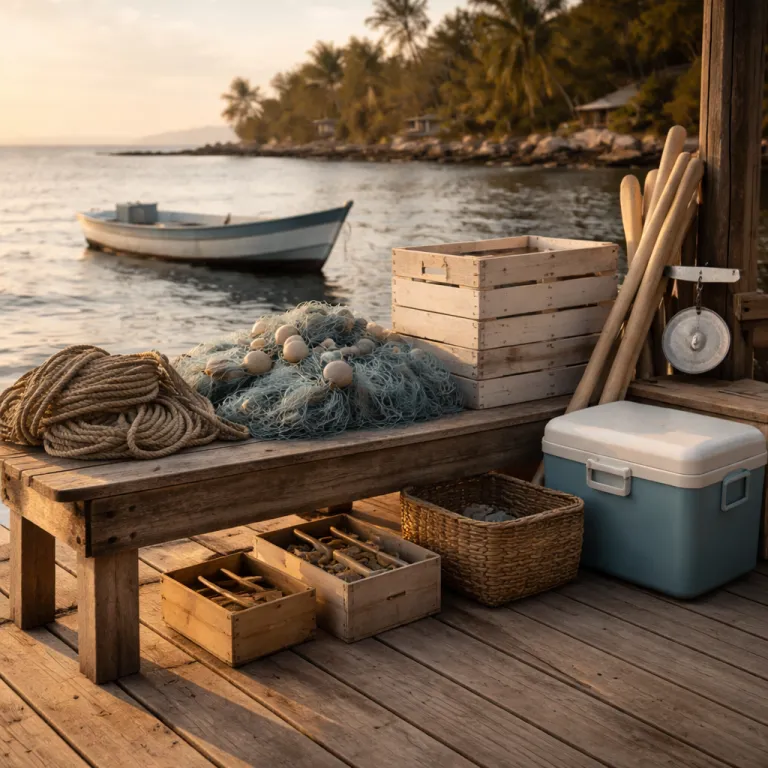
Walk the curve of Laborie beach at first light and you see how tourism and local life share the same sand, with wooden boats pulled high and fishermen mending nets beside visitors who quietly explore the shoreline. The bay offers some of the most understated yet breathtaking views in Saint Lucia, framed not by infinity pools but by almond trees, drying nets and children heading to school opened early for morning lessons. This is Laborie’s approach to community based tourism in practice, where the island’s culture is not staged for a show but simply left open for you to observe with respect.
According to the 2010 Population and Housing Census published by the Government of Saint Lucia, the wider Laborie District is home to just over 8,500 people, which keeps the village scale human and the pace slow enough for meaningful local experiences. Community leaders and groups such as the Laborie Development Foundation (LDF) coordinate guided walks, participatory workshops and culinary sessions so visitors can engage with local culture without overwhelming it. When you book a premium stay nearby and plan time in Laborie, you are choosing a style of tourism that channels your spending into micro and small enterprises rather than only into large resort accounts.
From the sea wall you can look south towards Vieux Fort and the runway of Hewanorra International Airport, a reminder that this quiet village sits only a short drive from the island’s main international airport gateway. Many luxury travelers now land at Hewanorra International, transfer to their hotel with plunge pools and private terraces, then return to Laborie for a second, slower view of Saint Lucia. That contrast between polished resort service and the open, unvarnished life of Laborie is where the island’s evolving definition of luxury is taking shape.
From resort enclave to village lane: redefining luxury time
High end travelers used to treat villages like Laborie as a brief photo stop on a resort excursion, a quick post on social media before returning to the pool. The new wave of Laborie Saint Lucia community tourism asks for something different from visitors, inviting you to spend real time in the village lanes, markets and homes. That shift changes not only your view of the island but also where your money flows and who benefits from your stay.
Consider a typical day for a guest staying at a luxury property along the south coast, perhaps one of the refined addresses highlighted in our guide to hidden luxury and premium hotel gems in Saint Lucia. You might start with coffee on a terrace overlooking beaches lush with sea grape and coconut, then ask your concierge to arrange a driver to Laborie for the Saturday market. Within about 20 to 25 minutes from Hewanorra International Airport, or roughly 45 to 60 minutes from the main west coast resort belt, you can move from a controlled resort environment to a living Caribbean village, where tourism is woven into daily routines rather than staged as entertainment.
At the market, Laborie residents sell fresh bread still warm from backyard ovens, seasonal fruit, herbs and fish landed only hours earlier, giving visitors a direct line into local food culture. One regular vendor, known locally as “Miss Theresa,” is often cited by guides for her cassava bread and coconut bakes, while fisherman “Mr. Felix” is frequently mentioned for his early morning snapper and dorado. When you buy here, your spending supports micro and small vendors, from farmers to fish sellers, rather than being absorbed into a single resort ledger. That economic pattern is central to sustainable tourism on the island, and it is one reason the Heritage Tourism Programme, developed by the Saint Lucia Tourism Authority and partners, channels visitor spending into local communities like this.
Community tourism also changes the emotional texture of your trip, because the experience is no longer limited to curated resort activities or quick resort day trips labeled as local experiences. Instead of a bus tour that pauses for a few minutes in a village, you might sit on the sea wall, talk with a fisherman about the morning catch and watch children in open classroom windows practicing songs for an upcoming festival. As Laborie guide Claudia Joseph explained during a recent village walk, “We do not perform our culture for visitors; we invite them to see what is already here.” The Caribbean Blue Tourism Initiative, which includes Laborie among its pilot sites according to Saint Lucia Tourism Authority communications, builds on this model by strengthening marine tourism and coastal projects that keep both the bay and the community at the center of Saint Lucia’s visitor story.
Fishing villages in focus: Laborie, Anse La Raye, Canaries and Dennery
Laborie may be the quiet heart of community tourism in southern Saint Lucia, but it is part of a wider constellation of fishing villages that ring the island. Each village offers a different view of Saint Lucian life, and together they form a powerful counterpoint to the resort strip. For travelers booking premium hotels, weaving these places into your itinerary turns a standard Caribbean beach holiday into a layered cultural journey.
Anse La Raye on the west coast is best known for its Friday Fish Fry, where the main street becomes a corridor of grills, music and local culture that runs late into the night. Here, visitors and residents share tables piled with grilled snapper, lobster and sides, and the experience feels more like a neighborhood party than a tourism product. Canaries, further north, is smaller and quieter, with houses stacked against the hillside and breathtaking views down to the bay that reward anyone willing to explore beyond the main road.
Dennery on the east coast faces the Atlantic and has built its own weekend fish festival, giving visitors another way to engage with community life beyond the resort. These villages, like Laborie, are where you see how marine tourism, fishing and small scale hospitality intersect in daily practice. When you choose elegant small hotels or guesthouses near these communities, such as those profiled in our guide to elegant small hotels in Saint Lucia, you gain the flexibility to move between high comfort and ground level encounters with ease.
Across these villages, local artisans sell crafts that reflect the island’s culture, from woven baskets to carved calabash, and community leaders coordinate events that welcome respectful visitors. The Green Guide by Green Traveller magazine has highlighted many of these community focused experiences, underscoring how sustainable tourism can support livelihoods without eroding identity. For luxury travelers, the reward is a set of moments that feel unrepeatable, whether that is a quiet conversation on a pier, a shared plate of fresh bread and smoked fish at a roadside stall, or a short, privately arranged boat ride along the coast.
What luxury really funds: the economics of community stays
Where you sleep on Saint Lucia’s coast shapes where your money goes, and that is especially true for guests booking premium rooms with plunge pools and private plunge decks. A night in a large resort keeps most spending within the property, from meals to activities, which can limit the benefits for surrounding communities. By contrast, a stay that intentionally includes time in Laborie and other villages spreads your budget across a network of local businesses.
When you eat lunch in a Laborie village café, buy fresh bread from a roadside vendor and pay a fisherman to take you on a short coastal ride, you are supporting micro and small enterprises that anchor the local economy. The Heritage Tourism Programme was designed precisely to channel tourist spending into such community businesses, ensuring that tourism strengthens rather than displaces traditional livelihoods. In Laborie, that means fishermen, market vendors and local guides all see direct benefits from visitors who choose to explore beyond resort gates.
Luxury travelers often ask whether this kind of community engagement compromises comfort, especially when they are used to all inclusive environments with clear privacy expectations and controlled access. In practice, the opposite tends to be true, because the most memorable moments often come from unscripted interactions that still respect personal boundaries. A private driver can wait while you walk the pier, a concierge can pre arrange a village guide, and your return to a suite with plunge pools feels richer after a day spent in the open air of a working Caribbean village.
From an island wide perspective, Laborie centered community tourism also supports sustainable development goals by diversifying income sources beyond large resorts. Community organizations, local businesses and tourism boards collaborate to integrate sustainable practices, from waste management to marine tourism guidelines that protect the bay. As interest in authentic travel grows, Saint Lucia’s challenge is not to create more staged experiences but to protect the integrity of places like Laborie, where the culture already exists and only needs visitors who are willing to meet it on its own terms.
Practical guidance: visiting Laborie and staying nearby in style
Reaching Laborie is straightforward for luxury travelers, because the village lies a short drive north of Vieux Fort and Hewanorra International Airport on Saint Lucia’s southern tip. Many high end properties in the south now build Laborie visits into their suggested itineraries, offering private transfers that allow guests to move easily between resort comfort and village life. If you prefer to base yourself further north, a dedicated driver can still bring you down for a full day that balances beach time, market browsing and slow walks through the lanes.
Once in the village, start at the waterfront where fishermen land their catch and Laborie residents gather to talk, mend nets and watch the sea, giving visitors an immediate sense of local rhythms. From there, wander towards the small square, where you may find a post office, a church and modest shops that anchor the community’s daily needs. On Saturdays, the market becomes the best stage for local culture, with stalls of produce, spices and fresh bread that invite you to taste the island rather than simply view it from a distance.
Respect is the quiet rule here, and a few simple habits go a long way towards keeping Laborie’s community tourism model healthy. Dress modestly away from the beach, ask before taking close up photos of people and remember that this is first a home for residents and only second a destination for visitors. The village’s social etiquette is unwritten but clear; you are welcome to share the space as long as you treat it as someone else’s neighborhood, not as a resort extension.
For accommodation, many travelers choose to stay in refined properties along the west coast or near Castries, then schedule dedicated days in the south that include Laborie and nearby Vieux Fort. Our detailed review of an elegant all inclusive resort in Saint Lucia shows how a resort base can pair with village excursions to create a balanced itinerary. As one local guideline for visitors puts it, "Respect local customs, engage with community respectfully, support local businesses." Typical privately arranged village walks or half day cultural experiences, often coordinated through the Laborie Development Foundation or certified guides, may range from modest gratuity based walks to paid tours, with prices commonly starting around the cost of a casual lunch for two.
FAQ
Is Laborie suitable for family visits if we are staying in a luxury hotel?
Laborie works well for families based in luxury or premium hotels, because the village offers gentle beaches, calm streets and a relaxed pace. Children can watch fishing activities, taste fresh bread from local vendors and experience a Caribbean village without long transfers. The area is considered suitable for family friendly cultural experiences when visited with basic awareness and respect.
What activities can visitors engage in around Laborie and nearby villages?
Visitors can join guided village tours, participate in simple fishing activities, attend local festivals and spend time at the Saturday market. Some community organizations arrange culinary sessions where you cook with residents using island ingredients. Short coastal trips by boat also introduce the marine tourism side of the bay in a low impact way.
How can tourists support the community while still enjoying premium comfort?
The most effective approach is to stay in your preferred luxury property, then allocate time and budget specifically for village based experiences. Eat in local cafés, hire certified local guides and buy crafts or food directly from residents. This pattern keeps your comfort level high while ensuring that tourism revenue reaches the community that hosts you.
How does community tourism in Laborie differ from standard resort excursions?
Standard resort excursions often operate as quick, pre packaged stops that prioritize convenience over depth. Community tourism in Laborie is slower and more reciprocal, encouraging conversations, repeat visits and spending that supports micro and small businesses. You are not just passing through for a photo; you are briefly sharing space in a living village.
Is it necessary to book organized tours to visit Laborie, or can we go independently?
You can visit independently by hiring a private driver or rental car, especially if you are comfortable navigating island roads. However, organized tours with local guides often provide richer context about culture, history and daily life. Many luxury hotels can arrange such guides, ensuring that your visit remains respectful and aligned with community expectations.