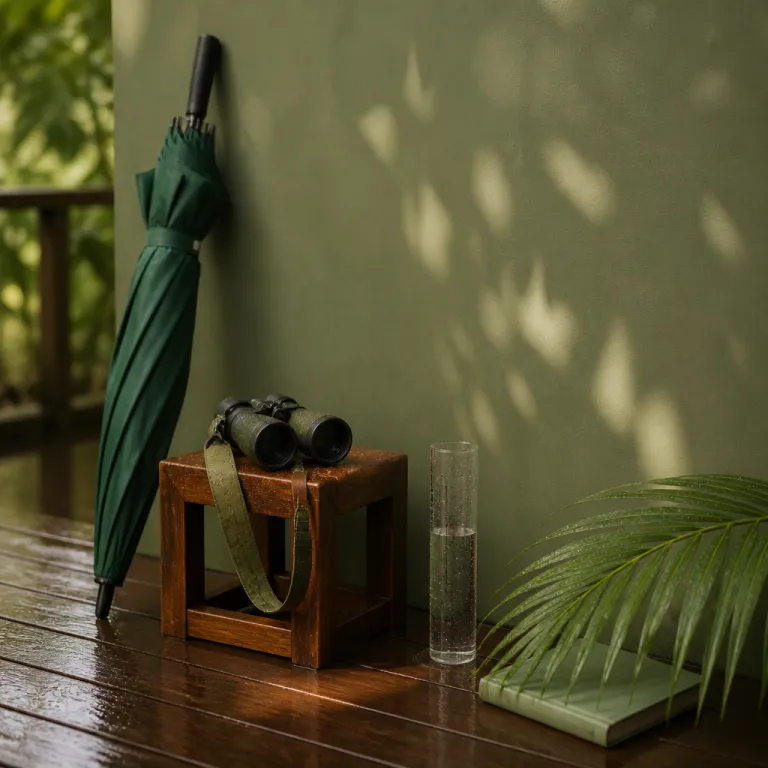
Understanding the St Lucia rainy season for luxury travelers
On Saint Lucia, the rainy season quietly shapes the rhythm of luxury escapes. This mountainous Caribbean island has a humid tropical climate where short, intense showers cool the air and keep the Pitons, rainforests, and coastal hillsides lush and vividly green. For travelers planning a premium retreat, understanding how the wet season works is the first step to choosing the best time to visit Saint Lucia with confidence.
The rainy season in Saint Lucia generally runs from June to December, with June and July often marking the start of heavier showers and higher humidity across the island. According to the Saint Lucia Meteorological Service and the Caribbean Institute for Meteorology and Hydrology, the island receives around 1,500 mm of rain per year on average, with wetter months such as August, September, and October often recording 180–250 mm, and drier months like February and March closer to 60–90 mm. Typical daytime temperatures usually sit between 26 °C and 30 °C, which means warm weather even when clouds gather and showers pass through.
Rain usually arrives as brief afternoon bursts rather than all day downpours, so the best time to enjoy the beach or explore Castries is often in the morning when skies are clearer. Luxury travelers can schedule spa rituals, private tastings of local food and rum, or chef’s table dinners during the wetter hours, turning the rainy season into an elegant indoor experience. The Saint Lucia Tourism Authority, the National Emergency Management Organisation (NEMO), and local partners encourage visitors to monitor real time weather forecasts and official advisories, which helps guests adapt their time to visit Saint Lucia without stress.
Best time to visit Saint Lucia for five star comfort in the rain
Choosing the best time of year to visit Saint Lucia depends on how you balance sunshine, privacy, and value. The high season typically aligns with the drier months from December to April, when the weather is more predictable and the island feels lively with international travelers. During this period, the average temperature remains warm, but rainfall is lighter and humidity is lower, which appeals to guests who want uninterrupted days by the infinity pool and long, clear evenings on open air terraces.
For many luxury travelers, however, the shoulder season on either side of the peak months offers the best blend of calm and comfort. Late April into June, and again from November into early December, often brings a mix of sunny mornings and occasional showers, with lower occupancy in premium suites and penthouses. If you are comparing options, this detailed guide on planning the best time of year to visit Saint Lucia for a luxury stay can help you refine your preferred travel window and understand how different months feel in practice.
During the core rainy season, resorts in Castries and along the west coast usually respond with attractive low season offers, such as complimentary spa credits or private airport transfers. This makes the rainy season a surprisingly good time to visit Saint Lucia if you value space, attentive service, and quieter restaurants. When you plan your time to visit Saint Lucia with this in mind, you can secure suites that might be fully booked during the high season, while still enjoying warm Caribbean seas, dramatic sunsets between showers, and a more relaxed atmosphere around resort pools and beach clubs.
Weather, hurricane season, and how luxury hotels protect your stay
Saint Lucia’s rainy season overlaps with the wider Caribbean hurricane season, which officially spans June to November according to the National Hurricane Center. Historical records show that direct hurricane hits on Saint Lucia are relatively rare, but tropical storms and nearby systems can still bring heavy rain and gusty winds, so it is sensible to monitor forecasts. Luxury hotels on the island work closely with weather agencies, NEMO, and the Saint Lucia Tourism Authority to track systems in real time and adjust operations when necessary.
In practical terms, this means that even during the wetter months of June, July, and November, travelers can expect clear communication about any changing weather. Properties often use real time weather apps, direct messaging, and concierge briefings to keep guests informed about the average temperature, wind conditions, sea state, and any temporary changes to excursions or boat trips. When you plan the best time to visit Saint Lucia, it is wise to consider flexible booking policies that many premium resorts now offer during the rainy season and the broader hurricane season, allowing you to adjust dates if official advisories recommend changes.
Rain itself usually arrives as short, heavy showers that pass quickly, leaving the island fresh and lush, especially around the Pitons and the rainforest interior. One common pattern is a bright morning hike or catamaran cruise, followed by a brief afternoon downpour viewed from a covered terrace with a rum punch in hand. If you are still weighing the best time to visit Saint Lucia, this specialist resource on choosing when to visit for a luxury hotel stay explains how different months feel on the ground. With that knowledge, you can decide whether to embrace the low season atmosphere or focus on the drier high season, knowing that five star properties are prepared for both.
Rainy season luxury: suites, spas, and private experiences
For many guests, the rainy season in Saint Lucia becomes the most indulgent time to travel. When showers move across the Caribbean Sea, luxury hotels respond by curating intimate indoor experiences that feel tailored to each traveler. This is when private spa suites, in room dining, and personalised butler service truly shine, with therapists and concierges reshuffling schedules around passing showers so that your day still feels seamless.
During the quieter low season months, you will often find that the best suites, villas, and penthouses are easier to secure, sometimes at more attractive rates. Resorts in Castries and along the west coast may include complimentary spa rituals, wine pairings, or private yoga sessions as part of rainy season packages. Because the average temperature remains warm and the sea stays inviting, you can still move between your suite, the spa, and covered pool cabanas in comfort, even when the weather shifts or clouds build over the mountains.
Many high end properties design their architecture around the seasonal rain pattern, with deep verandas, open air lounges, and covered terraces that allow you to enjoy the lush gardens while staying dry. A typical rainy afternoon might involve a couples’ massage, followed by a tasting menu that showcases Saint Lucian cocoa, local seafood, and aged rum while you watch showers drift past the Pitons. This makes the rainy season a refined time to visit Saint Lucia if you value tranquillity and attentive service over constant sunshine. When you plan your time to visit Saint Lucia with these experiences in mind, the season becomes less about the rain itself and more about how gracefully hotels respond to it.
Festivals, culture, and why the rainy season suits event lovers
Saint Lucia’s cultural calendar is closely tied to its seasons, which means the rainy season brings some of the island’s most vibrant events. Music lovers often time their visit to Saint Lucia around the Saint Lucia Jazz and Arts Festival, widely known as Saint Lucia Jazz, which blends international acts with local talent in venues that range from waterfront stages to intimate courtyards. Later in the year, the Roots and Soul Festival, often called Roots and Soul, celebrates soul, reggae, and conscious music in atmospheric open air venues that feel especially dramatic when clouds roll over the hills.
Heritage Month highlights the island’s history and traditions, while the Rum Festival and food and rum celebrations showcase Saint Lucian gastronomy alongside premium Caribbean spirits. These events usually fall within the wetter months, yet they are carefully planned around typical weather patterns, with contingency venues, covered stages, and flexible programming. Travelers who choose this Saint Lucia season window often find that the combination of cultural immersion, warm average temperature, and fewer crowds creates the best balance between authenticity and comfort, especially for guests who enjoy evenings out more than long days in the sun.
For many visitors, the highlight of the year is the exuberant Saint Lucia Carnival, often referred to as Lucian Carnival, which brings colour, music, and street parades to Castries and surrounding areas. If you plan to visit Saint Lucia during carnival season, this detailed Lucian carnival guide for where to stay and what to wear is an essential planning tool. It explains how to choose your time to visit, where to base yourself on the island, and how to enjoy the festivities comfortably during the rainy season, from selecting breathable costumes to arranging late night transfers back to your hotel.
Strategic booking tips for luxury hotels in the St Lucia rainy season
Booking a luxury hotel during the St Lucia rainy season rewards travelers who plan with precision. Start by deciding whether you prefer the early months of June and July, when the season is building and festivals begin, or the later period around November, when showers can still be frequent but the year is winding down and pre festive offers appear. Each window offers a different balance of weather, pricing, and cultural events on the island, so it helps to match your priorities to the calendar.
Once you have chosen your preferred time to visit Saint Lucia, look for flexible rates that allow date changes if the Caribbean hurricane season forecast shifts. Many high end properties now publish clear policies that protect guests while still offering attractive low season advantages, such as complimentary upgrades, resort credits, or extended check out times. When comparing options, pay attention to how each hotel describes its rainy season facilities, including covered outdoor spaces, spa capacity, in house activities for afternoons when the weather closes in, and backup plans for private excursions.
It is also wise to consider location on the island, especially if you plan to visit Castries frequently for shopping, dining, or events like Lucian Carnival. Coastal resorts on the leeward (western) side often experience slightly calmer seas and more sheltered conditions, while inland properties trade sea breezes for cooler temperatures and lush rainforest surroundings. By aligning your priorities with the realities of the rainy season, you transform what some see as a challenging season into the best time of year for a deeply relaxed, culturally rich Saint Lucia stay that feels thoughtfully curated rather than compromised by the weather.
Key figures about Saint Lucia’s rainy season and luxury travel
- The Saint Lucia Meteorological Service reports an average annual rainfall of about 1,500 mm, with wetter months such as August to October often recording more than twice the rainfall of the driest months, which sustains the island’s lush landscapes even during the low season.
- Typical daytime temperatures generally range from about 26 °C to 30 °C throughout the year, so travelers can expect warm weather in both the high season and the rainy season, with sea temperatures usually hovering around 27–29 °C.
- Rainy season months from June to December typically feature short, heavy afternoon showers rather than continuous rain, allowing luxury guests to plan outdoor activities in the mornings and reserve spa time or private dining for later in the day.
- Tourism authorities note that prices at many premium resorts drop during the rainy season, creating increased off season travel deals for visitors who value privacy and value, especially in top tier suites and villas that are heavily booked in winter.
- Growth in eco tourism during the rainy season reflects how travelers increasingly use this time to explore rainforests, waterfalls, and wellness retreats away from peak season crowds, with guided hikes and nature tours often timed around typical daily shower patterns.
Frequently asked questions about the St Lucia rainy season
Is it safe to visit Saint Lucia during the rainy season ?
Is it safe to visit during the rainy season? Yes, with proper planning and awareness of weather conditions. Luxury hotels coordinate closely with local authorities, NEMO, and weather agencies, and they provide guests with timely updates, contingency plans, and clear guidance if a tropical system is expected.
Are hurricanes common in Saint Lucia’s rainy season ?
Are hurricanes common during this period? Hurricanes are possible but not frequent; monitor forecasts. Historical data from the National Hurricane Center shows that Saint Lucia experiences far fewer direct hits than some northern Caribbean islands, but travelers who book during the broader Caribbean hurricane season should choose flexible rates and keep an eye on official advisories before and during their trip.
Do hotel prices drop in the St Lucia rainy season ?
Do prices drop during the rainy season? Yes, many resorts offer lower rates and promotions. This often makes the rainy season the best time for value driven luxury stays, with added benefits such as spa credits, complimentary transfers, or inclusive experiences that are rarely available at the same price in peak season.
What should I pack for a luxury stay in the rainy season ?
Pack light rain gear, including a compact waterproof jacket and quick drying clothing, alongside your usual resort wear. Include sandals with good grip, a small umbrella, and a dry bag for electronics. Plan indoor activities for afternoons, such as spa treatments or culinary experiences focused on local food and rum, and monitor weather updates through hotel apps, concierge briefings, or official meteorological services.
Which months balance good weather and fewer crowds in Saint Lucia ?
Travelers seeking a balance between pleasant weather and fewer crowds often choose the shoulder season around late April to June or November. These months sit between the driest high season and the wettest period, offering warm average temperatures, manageable showers, and attractive low season advantages at luxury properties, with enough sunshine for beach time and excursions but a calmer feel than mid winter.