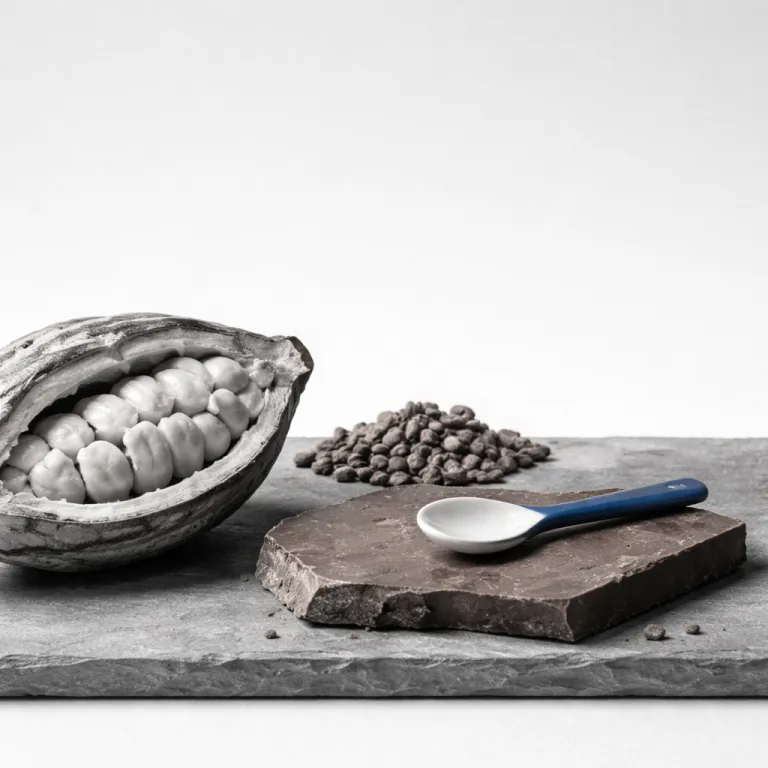
Saint Lucia chocolate cacao experience as a new kind of luxury
The most compelling Saint Lucia chocolate cacao experience does not start in a spa but under a cacao tree. On this volcanic island, luxury quietly shifts from marble lobbies to the soft squelch of soil at Rabot Estate, where working cacao groves frame the Pitons and set the tone for a different style of travel. You come for a hotel, yet you stay because the first cracked pod, the first taste of raw cacao pulp, feels like a private key to the island.
Saint Lucia’s cacao farm culture is rooted in hard work and heritage, and the best hotels now build their identity around that story. A refined cocoa-focused stay might mean walking from your suite straight into a plantation tour, then returning to a terrace bar for a dark chocolate cocktail that tastes of nutmeg, citrus and volcanic rain. This is not a themed bar experience; it is a direct line from bean to chocolate bar, from hillside tree to polished counter.
For solo explorers, the appeal lies in intimacy and control, because you can shape each tour and tasting around your own pace. One day might focus on the technical side of making chocolate, from fermenting beans to tempering, while the next is about cacao cuisine and how cocoa threads through Saint Lucian home cooking. As one Soufrière guide put it, “You taste the island differently once you’ve held the beans in your hands.” The result is a Saint Lucia chocolate journey that feels both deeply local and quietly indulgent, especially when your hotel concierge handles every reservation and transfer.
Rabot Estate and Project Chocolat: where the hotel sits in the groves
Rabot Estate in Soufrière is the epicentre of the island’s cacao story, and it is here that Hotel Chocolat has built Rabot Hotel directly above working cacao groves. Guests wake to the sight of cocoa pods hanging just metres away, then step down to join a guided cacao farm tour that traces the journey from tree to bean. The Tree to Bar experience is designed as a half-day activity, long enough to feel immersive yet compact enough to fit easily into a relaxed island itinerary.
Project Chocolat, run by Hotel Chocolat at Rabot Estate, turns this education into theatre without losing authenticity. You walk between rows of cacao trees, learn how different beans are selected, then move into an open-air workshop where chocolate making becomes a tactile ritual of grinding, conching and pouring. One guide summed up their aim simply: “We want guests to leave knowing how sustainable cacao farming works, and to feel they’ve made chocolate with their own hands.”
For many travellers, the highlight is crafting a personal bean-to-bar chocolate bar, then tasting it later at the hilltop bar while the Pitons fade into dusk. The same space now hosts a refined tour of cacao-led cocktails, where bartenders explain how Saint Lucian chocolate notes shift between light and dark styles. If you want to align this with the island’s wider farm-to-table movement, it is worth reading this guide to why Saint Lucia’s farm to table movement deserves more than a footnote before you book.
From plantation tour to plate: cacao cuisine and bar culture
Once you have walked the plantation tour at Rabot Estate or a neighbouring cacao farm, the next step is tasting how chefs translate beans into cacao cuisine. At Rabot Hotel’s restaurant, menus lean into cocoa and chocolat as a savoury ingredient, from cacao nib rubs on fish to cocoa infusions in sauces that never feel gimmicky. This is where the Saint Lucia chocolate cacao experience moves beyond dessert and into a full dining narrative.
The new cacao bar at Rabot extends that narrative into the evening, offering a bar experience that treats cocoa like a fine spirit rather than a sweetener. You might start with a dark chocolate old fashioned, then move to a lighter cocktail built around fresh cacao pulp, all while staff explain how different beans from the estate shape flavour. For solo travellers, sitting at the bar becomes a social anchor, a place to compare notes with other guests who spent the afternoon making chocolate or exploring Soufrière.
Beyond Rabot, other luxury properties on the island now weave Saint Lucian chocolate into tasting menus and chocolate bars for turndown, often pairing them with local rum or coffee. If you are planning a trip that balances cacao with broader culinary exploration, this piece on eating your way through Saint Lucia’s culinary layers helps you map where cocoa sits alongside bouyon, grilled fish and French-inflected fine dining. The key is to treat each chocolate bar or bar chocolate dessert as another expression of the same volcanic terroir you walked earlier in the day.
How Saint Lucian cacao differs: terroir, trees and beans
Saint Lucian cacao stands apart because the island’s volcanic soils and humid valleys favour the Trinitario variety, which blends robustness with nuanced flavour. When you join a Saint Lucia chocolate cacao experience at Rabot Estate or another estate, guides often invite you to taste beans at different stages, from fresh pulp to roasted nibs, so you can feel that evolution. The contrast with beans from Trinidad, Grenada or West Africa becomes clear as you notice brighter fruit notes and a cleaner finish in the final chocolate bars.
On a detailed plantation tour, you will see how each cacao tree is pruned to balance shade and airflow, and how the estate team monitors pods for ripeness before harvesting. Those small decisions, repeated across many trees, shape the quality of every bean bar and every chocolate bar that later appears in Hotel Chocolat stores abroad. It is a reminder that behind each polished bar experience in a city café sits years of hard work on a hillside in Saint Lucia.
For travellers who care about provenance, this is where the Saint Lucia chocolate cacao experience becomes a form of ethical luxury. You are not only tasting local chocolate in a bar or restaurant; you are supporting a project that keeps cocoa farming viable for local communities and maintains landscapes that might otherwise be cleared. When you next pick up a Hotel Chocolat bar chocolate in an international outlet, you will know exactly which tree, which estate and which island ridgeline helped to make it.
Planning your stay: booking tips for cacao focused hotels
Securing the best Saint Lucia chocolate cacao experience starts with timing and reservations, especially if you want a Tree to Bar workshop at Rabot Estate. Daily tours and chocolate making sessions usually run between late morning and mid-afternoon, and places are limited, so ask your hotel concierge to book as soon as you confirm flights. Reservations are recommended; contact ahead to confirm availability, and remember that lunch is often included in the experience, which can shape how you plan the rest of your day.
When choosing where to stay, look for properties that sit close to Soufrière and Rabot Hotel if cacao is your priority, because shorter transfers mean more time on the plantation and at the bar. Some estates welcome walk-ins for a simple cacao farm tour, while more involved making chocolate workshops require advance booking and sometimes prepayment. If you are flexible on dates and want to align your travel with the most comfortable weather for walking among trees and beans, consult this guide to planning the best time of year to visit Saint Lucia for a luxury stay.
Packing is simple but strategic for this kind of island trip, and it can quietly elevate your overall experience. Bring light clothing and sturdy shoes for walking the cacao farm, insect repellent for the groves, and a small bag to carry any chocolate bars you buy so they stay cool on the way back to your hotel. With those basics in place, the Saint Lucia chocolate cacao experience becomes effortless, letting you move from tree to bar, from plantation tour to bar tour, with the ease that defines true luxury travel.
FAQ
How long does the Tree to Bar chocolate making experience take at Rabot Estate?
The Tree to Bar chocolate making experience at Rabot Estate is structured as a half-day activity. That duration typically includes a guided walk through the cacao trees, an explanation of how cocoa beans are fermented and dried, and a hands-on session where you craft your own chocolate bar. It fits comfortably into a morning or afternoon, leaving time to enjoy the bar experience or pool afterwards.
Is lunch included in the Saint Lucia chocolate cacao experience at Rabot Estate?
Lunch is usually included in the main Project Chocolat programme at Rabot Estate, which makes planning easier for solo travellers who want a seamless day. Expect dishes that highlight cacao cuisine, often using cocoa in savoury preparations as well as desserts. Confirm the exact menu and inclusions with Hotel Chocolat or your hotel concierge when you book.
Do I need a reservation for cacao farm tours and workshops in Saint Lucia?
Reservations are strongly recommended for structured plantation tours and chocolate making workshops, especially at Rabot Estate where spaces can fill quickly. Some estates may allow walk-ins for simple cacao farm visits, but hands-on sessions like bean-to-bar chocolate making usually require advance booking. Contact the organiser or ask your hotel to arrange it before you travel.
What should I wear for a cacao plantation tour in Saint Lucia?
Wear light, breathable clothing and closed shoes suitable for walking on uneven, sometimes muddy paths between cacao trees. A hat, sunscreen and insect repellent are useful, as much of the tour takes place outdoors among the groves. Many guests bring a small backpack to carry water and to protect any chocolate bars purchased after the workshop.
Can I buy Saint Lucian chocolate from Rabot Estate once I return home?
Chocolate made with beans from Rabot Estate and other Saint Lucian farms is available through Hotel Chocolat outlets and online shops in several regions. When you see a bar labelled with Saint Lucia or Rabot Estate, it often reflects the same volcanic terroir you experienced on the island. That makes each chocolate bar a tangible reminder of your Saint Lucia chocolate cacao experience and the landscapes behind it.