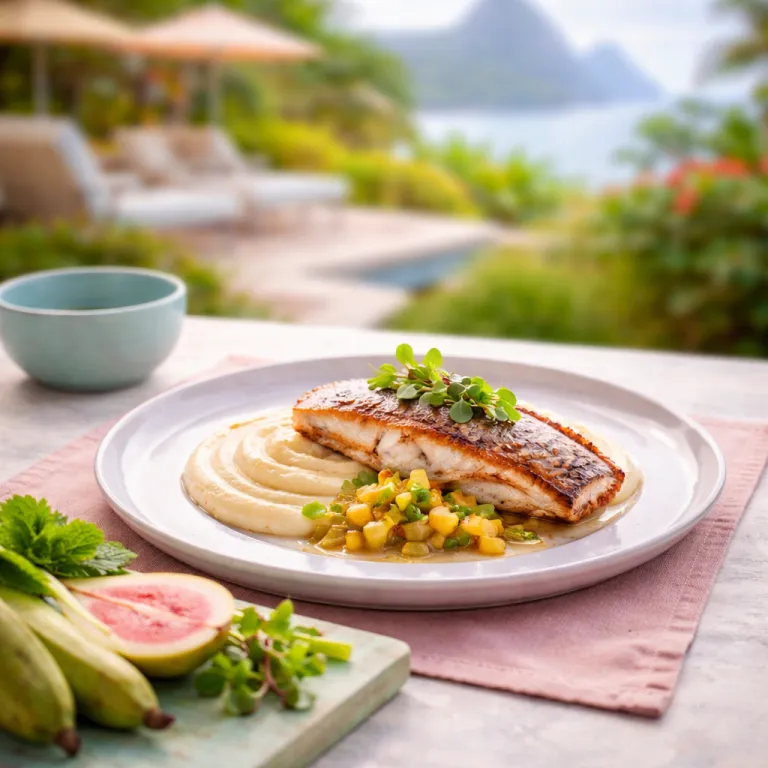
Volcanic soil, hidden abundance and the real luxury of saint lucia farm to table dining
The most quietly radical luxury in Saint Lucia is not a plunge pool or a champagne welcome but a plate of food grown in volcanic soil within a few kilometres of your suite. On this island the same mineral-rich slopes that frame the Pitons also nurture bananas, cocoa, coconuts, breadfruit, dasheen and spices, yet many visitors leave without a single dining experience that truly reflects this depth of flavour. If you care about how a restaurant expresses place, Saint Lucia farm-to-table dining should sit at the centre of your hotel search, not as a pleasant extra but as a defining standard of what premium hospitality means on this island.
Saint Lucia’s tourism authorities already recognise that culinary experiences are not a side show but a formal pillar of the island’s Heritage Tourism Programme, and that shift matters for travellers who want their food and drink to feel anchored in local culture rather than flown in from Miami. When you read a hotel menu that lists generic “Caribbean fish” or anonymous vegetables, you are seeing a missed opportunity in a destination where ingredients sourced from nearby valleys can be extraordinary when handled by a skilled chef. True luxury here is the ability to explore how volcanic terroir shapes every element on the table, from a simple grilled breadfruit to a fine dining tasting menu built around cocoa, rum and seasonal produce.
Yet only around a quarter of restaurants on the island currently offer a recognisable farm-to-table approach, according to indicative figures shared informally by representatives of the Saint Lucia Tourism Authority in 2023, which means most guests still encounter imported food that could be served anywhere in the tropics. That 25% figure is both a warning and an invitation for couples planning a romantic escape who want their dining experience to bring them closer to the island rather than keep them at a polite distance. When you choose hotels and restaurants that work with local farmers and fishermen, you are not just eating well; you are participating in a quiet rebalancing of power between global supply chains and the people who actually tend the land and sea.
From cocoa estates to kitchen gardens: how agricultural tourism reshaped island gastronomy
Long before Saint Lucia farm-to-table dining became a marketing phrase, the island’s cocoa estates were already showing travellers what it meant to respect land and taste its results. At Fond Doux Eco Resort, a working cocoa plantation near Soufrière, couples walk through lush garden paths, crack open pods and taste the raw cocoa pulp before it ever becomes chocolate, turning a simple food into a layered cultural story. That kind of guided garden tours format, where you move from tree to harvest table and then to plate, created a template for agricultural tourism that hotel restaurants are only now beginning to match.
The former Hotel Chocolat Rabot Estate pushed this further by pairing cocoa-centred menus with views of the Pitons, proving that fine dining could sit comfortably on a working farm without diluting either experience. When a culinary team plates cacao-nib-crusted mahi mahi or a dessert built around locally grown cocoa, they are not just serving a clever dish; they are showing how ingredients sourced metres away can compete with any imported luxury product. As one Soufrière-based grower explained during a recent estate tour, “When chefs buy what we harvest this week, guests taste the rain, the soil and the sun from this valley, not from a shipping container.” This is where the island’s kitchen gardens stopped being ornamental and started to function as living larders, with chefs walking out between lunch and dinner to cut herbs, pick lettuce and check which fruits are perfectly ripe.
Today, that estate-level thinking is filtering into a wider range of restaurants, from Balawoo at Anse Chastanet Resort with its sea-to-plate, farm-to-table philosophy to The Mango Tree, where Saint Lucian specialties lean heavily on local ingredients and traditional Caribbean techniques. If you want to explore the island’s culinary layers in more depth, read the guide to eating your way through Saint Lucia’s culinary layers and then map those insights onto your hotel shortlist. The most rewarding properties are the ones where garden tours, cooking classes and immersive food-and-drink pairings are treated as core experiences rather than optional extras for a rainy afternoon.
Why many luxury resorts still import and how to recognise the real thing
For all the talk about Saint Lucia farm-to-table dining, most resort kitchens on the island still rely heavily on imported food, and the reasons are both structural and solvable. Large properties are built around buffet systems and banquet-style events that demand predictable volumes, which can feel easier to secure from overseas suppliers than from a network of small local farmers. Yet that convenience comes at a cost to flavour, sustainability and the guest’s sense of place, especially when the same generic chicken breast or anonymous steak appears on every menu from Rodney Bay to Soufrière.
There is also a marketing gap: beach imagery and spa rituals dominate hotel websites, while the agricultural richness of Saint Lucia rarely makes it past a vague reference to “fresh ingredients” or a single staged photo of a chef in a herb patch. As a traveller, you need to read between the lines and look for specific signals that a restaurant is serious about local ingredients rather than paying lip service. Does the menu name farms, fishing villages and producers, or does it hide behind generic terms that could apply to any island in the region?
When you scan a property’s dining pages, skip content that leans on clichés and instead search for evidence of real relationships with local suppliers, such as weekly harvest-table events or seasonal menus that change with what is available. A credible operation will talk openly about ingredients sourced from particular valleys, about kitchen gardens that supplement rather than replace purchases from nearby communities, and about how the culinary team structures lunch and dinner services around what the island can genuinely provide. If you see tapas-and-tinis nights and imported steakhouse menus taking centre stage while local culture is relegated to a single “Creole evening”, you are not looking at an authentic dining experience, no matter how polished the service.
The chefs, restaurants and standards quietly raising the bar for saint lucia farm to table dining
The most persuasive argument for Saint Lucia farm-to-table dining comes from the chefs who have built their reputations on it, and they are reshaping what luxury means on the island. At Dasheene Restaurant, chef Nigel Mitchel is known for sourcing ingredients from island farms and fishermen, turning local food into refined plates that still feel rooted in traditional Caribbean flavours. When you sit at a table cantilevered over the Soufrière valley and enjoy dishes built around breadfruit, plantain, lionfish and cocoa, you feel the island’s culture in every course rather than just in the view.
Soco House Restaurant in the north, The Harvest and Table Restaurant at Baia Mare Villas, The Mango Tree and Balawoo at Anse Chastanet all operate on variations of the same principle: they treat local ingredients as the starting point, not a garnish. “What is farm-to-table dining?” and “Why is farm-to-table dining popular in Saint Lucia?” are not abstract questions here but daily operational choices that shape how each culinary team buys, cooks and serves. “It involves sourcing ingredients directly from local farms to prepare meals.” and “It supports local agriculture and offers fresh, authentic cuisine.” As one resort chef summarised during a menu briefing, “If it does not grow in Saint Lucia or swim in our waters, we need a very good reason to put it on the plate.”
For couples planning a romantic stay, a credible standard for hotel-based farm-to-table dining in Saint Lucia would include three non-negotiables: a transparent supply chain that names local farmers and fishers, menus that shift with the harvest, and on-site garden tours or kitchen garden access that bring you physically closer to the land. Properties like Fond Doux Eco Resort, with its estate-grown produce and Creole menus, already show how a resort can respect land while still delivering fine-dining-level service and wine pairings. If you want to align your stay with this more grounded vision of luxury, use resources such as the wellness-focused guide on Saint Lucia’s quiet reinvention as a wellness island to cross reference spa narratives with food-and-drink commitments, and choose the places where both body and palate are treated with equal seriousness.
Key figures shaping saint lucia farm to table dining
- Approximately 25% of restaurants in Saint Lucia currently offer some form of farm-to-table dining, according to indicative estimates shared by the Saint Lucia Tourism Authority in stakeholder briefings, which means three quarters of venues still rely primarily on imported ingredients.
- Farm-to-table programmes on the island operate year round, with breakfast, lunch and dinner services using seasonal produce, so couples can plan immersive dining experiences in any month rather than timing trips to a short harvest window.
- The formal inclusion of culinary tourism as a pillar of Saint Lucia’s Heritage Tourism Programme signals a policy-level commitment to local food systems, which in turn encourages more hotels and restaurants to invest in relationships with local farmers and fishermen.